
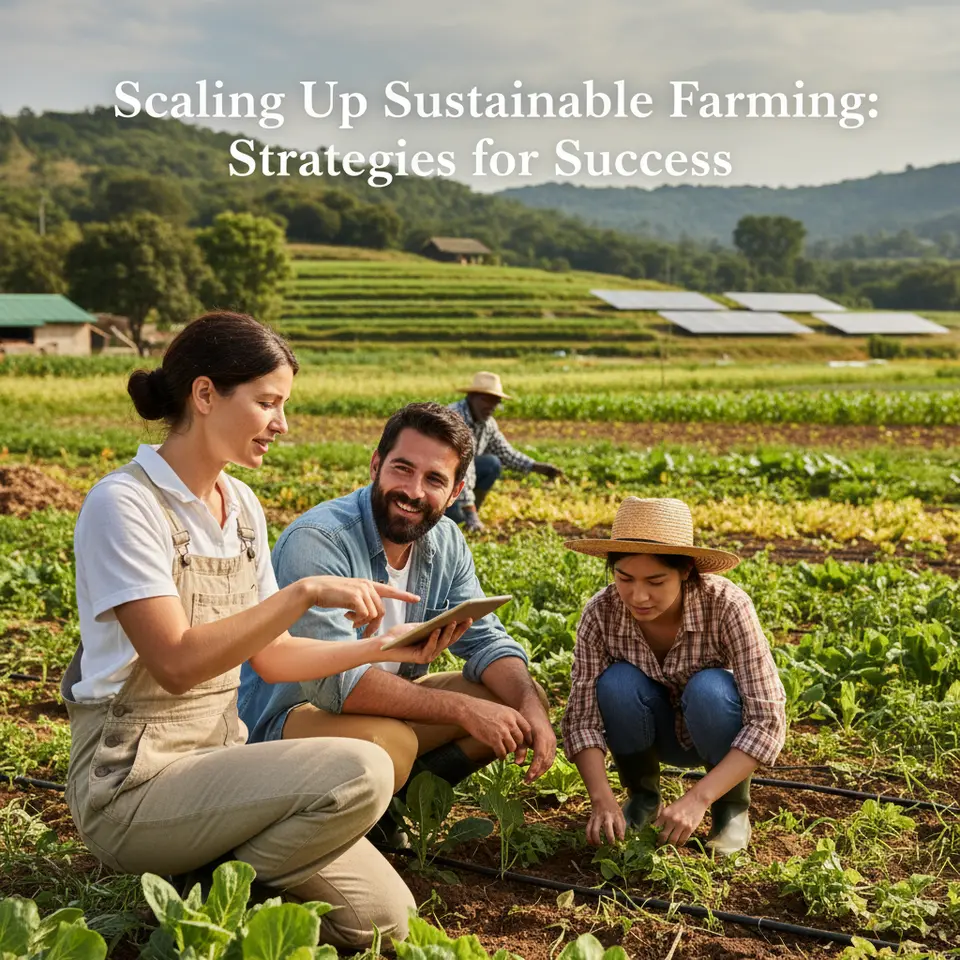
Integrating sustainable farming into modern education provides a transformative pathway to foster emotional calm, improve student focus, and create deeply engaging learning environments.
This comprehensive guide explores the powerful connection between agricultural practices and student well-being. You will learn practical strategies to implement green initiatives on campus, understand the psychological benefits of outdoor learning, and discover actionable frameworks to reduce academic anxiety effectively.
The Intersection of Agriculture and Modern Education
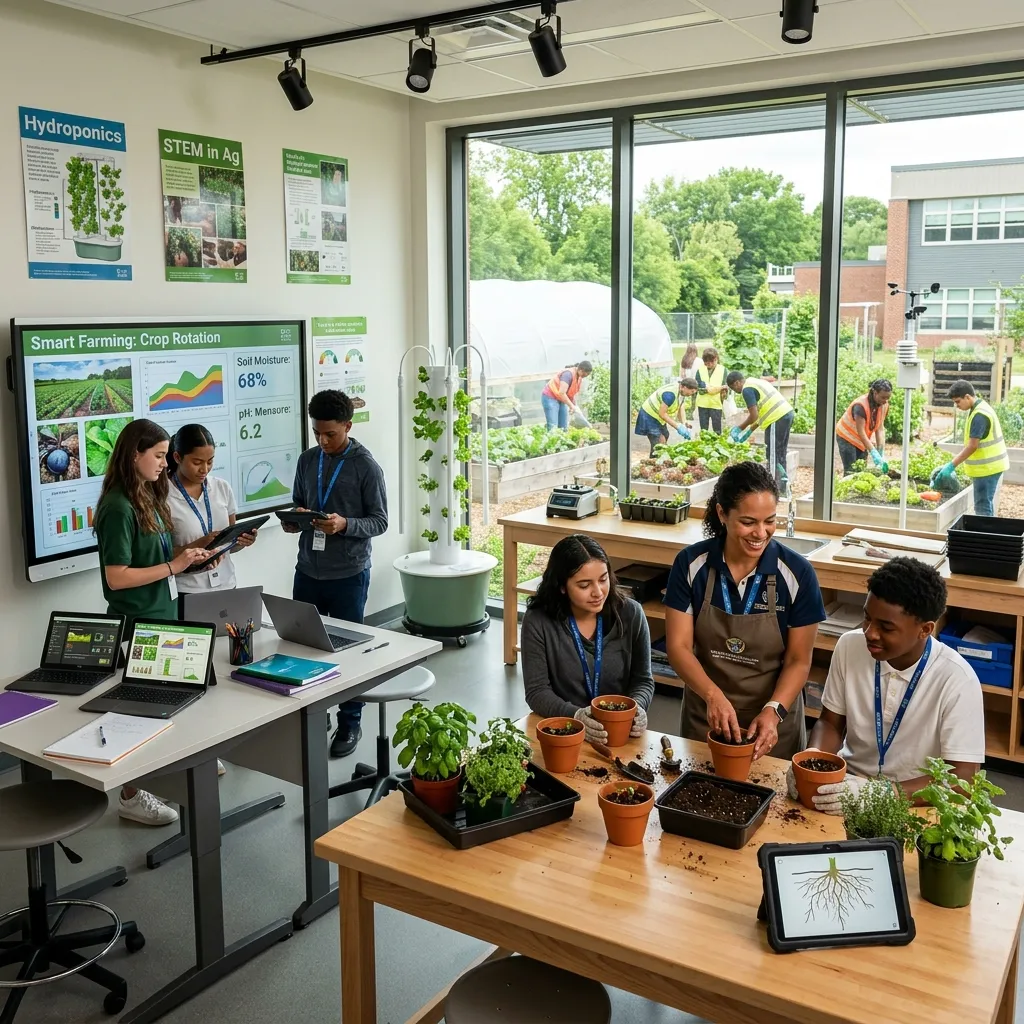
Education continually evolves to meet the developmental needs of students. Integrating sustainable farming into academic frameworks represents a fundamental shift toward holistic learning. Traditional classrooms often isolate students from the natural world, leading to sensory deprivation and increased stress. By bringing agricultural principles into the daily routine, schools create a dynamic environment where students engage with biological processes firsthand. This hands-on approach transforms abstract concepts into tangible experiences.
When educators adopt sustainable farming, they provide students with a living laboratory. Students observe the direct results of their labor, learning patience and responsibility. The simple act of planting a seed and nurturing it to maturity teaches vital life skills that textbooks cannot convey. Furthermore, this method supports student well-being by breaking up the monotony of desk-bound learning. Engaging with soil, plants, and natural light stimulates cognitive function and resets the nervous system, allowing students to return to traditional academic tasks with renewed concentration.
Psychological Benefits of Soil and Nature
Scientific research consistently demonstrates that interacting with nature profoundly impacts human psychology. Soil contains a harmless bacterium called Mycobacterium vaccae, which triggers the release of serotonin in the brain. Serotonin acts as a natural mood elevator and anxiety reducer. When students participate in sustainable farming, they inadvertently expose themselves to these beneficial microbes. This exposure helps regulate emotional responses, making students more resilient to the pressures of academic performance.
Beyond neurochemistry, the visual and tactile experiences of a garden create a calming sensory environment. The repetitive motions of weeding, watering, and harvesting induce a state of mindfulness. Students focus entirely on the present moment, temporarily shedding worries about grades or social dynamics. This mindful engagement builds a foundation for sustained attention. Schools that implement an eco-friendly education model report significant decreases in behavioral issues and noticeable improvements in overall classroom harmony.
Enhancing Soil Vitality for Scalable Sustainable Farming
No-Till and Minimum Tillage Practices
Preserving soil structure is fundamental to sustainable farming. By reducing tillage intensity or eliminating it entirely, farmers protect the integrity of soil aggregates, minimize erosion, and support diverse microbial communities. No-till systems allow crop residues to remain on the surface, promoting moisture retention and organic matter accumulation. For those concerned about weed pressure, minimum-till strategies—such as shallow disk cultivation—can strike a balance between disturbance and conservation. Many operations report that transitioning to reduced tillage improves infiltration rates and reduces fuel consumption by up to 30 percent, a welcome efficiency gain in today’s energy-conscious environment.
Cover Cropping and Organic Amendments
Integrating cover crops is one of the most powerful tools for building soil health at scale. Leguminous species such as clover, vetch, and field peas fix atmospheric nitrogen, reducing reliance on synthetic fertilizers. Grasses like rye and oats contribute substantial biomass, which decomposes into organic matter and enhances water-holding capacity. Cover crops also suppress weeds, curb nutrient leaching, and foster beneficial insects. When terminated appropriately—either with roller-crimpers or targeted herbicide applications—these green manures seed the next cash crop with a foundation of nutrients and a balanced soil ecosystem.
Precision Soil Mapping and Testing
Implementing sustainable farming across large acreage demands precise insights into soil variability. Advances in soil scanning and remote sensing allow for high-resolution maps of pH, organic carbon, and nutrient levels. By coupling grid or zone sampling with GPS data, farmers can apply lime, phosphorus, or potassium at variable rates, avoiding over-application and reducing costs. Digital soil health platforms aggregate laboratory results, sensor data, and historical yields to inform amendment strategies. According to research from universities such as Cornell and Iowa State, variable-rate fertilization can boost return on investment by up to 25 percent while safeguarding water quality.
Implementing Compost and Biochar Enhancements
Beyond conventional amendments, biochar and compost offer robust pathways to scale up soil fertility. Compost derived from crop residues, livestock manure, or urban organics adds beneficial microorganisms and slow-release nutrients. Biochar—a stable form of carbon produced via pyrolysis—locks greenhouse gases into the soil, improving structure and nutrient retention. Blended properly, these amendments can revitalize degraded soils, support diverse microbial populations, and sequester significant amounts of carbon, aligning sustainable farming practices with climate mitigation goals.
By weaving these soil stewardship methods into your operational plan, you create a living foundation that supports robust yields year after year.
Implementing Crop Diversity and Agroforestry Models
Strategic Crop Rotations
Diversifying plantings through deliberate rotation plans is key to disrupting pest and disease cycles. Rotating cereals with legumes, brassicas with grasses, or deep-rooted with shallow-rooted species balances nutrient extraction and replenishment. For example, following a heavy-feeding corn crop with a nitrogen-fixing soybean planting improves subsequent yields and cuts fertilizer inputs. Well-designed rotations also break weed proliferation patterns and enhance soil structure by varying root architectures.
Intercropping Systems
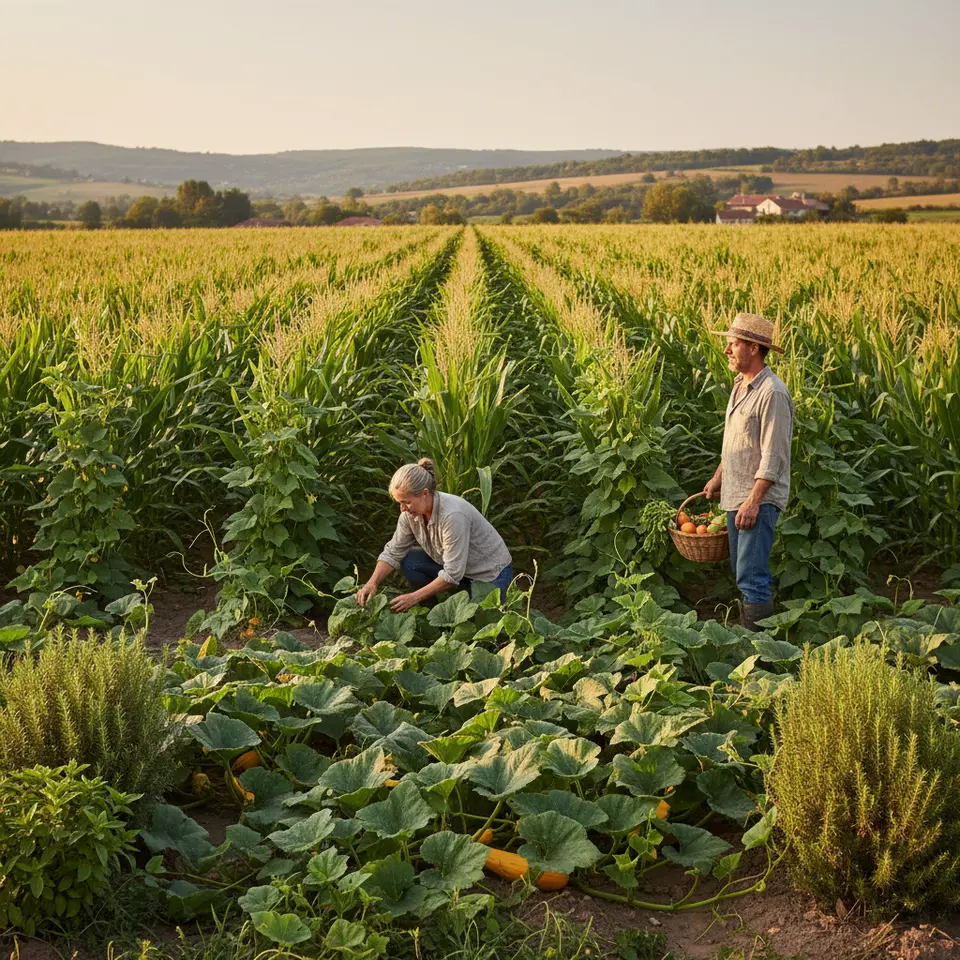
Intercropping—growing two or more crops simultaneously on the same field—maximizes space, light, and nutrient use. Pairings such as maize with climbing beans or cucurbits with aromatic herbs can lead to mutual benefits: taller plants offer shade, while low-growing companions suppress weeds. Such polycultures increase resilience against weather extremes, diversify in-season income, and bolster on-farm biodiversity. Trials at institutions like the University of California, Davis, demonstrate that intercropping can raise total land productivity by up to 50 percent compared to monocultures.
Integrating Trees and Livestock Through Agroforestry
Agroforestry systems blend woody perennials, crops, and sometimes livestock to create multifunctional landscapes. Windbreaks of willows or poplars reduce soil erosion, while alley cropping of fruit or nut trees enhances habitat and income streams. Silvopasture—grazing livestock under tree canopies—optimizes forage use and delivers shade, improving animal welfare. These mixed-use systems yield timber, fruit, forage, and fodder, distributing risk and strengthening the ecological foundation that underpins sustainable farming.
Market Diversification and Value-Added Opportunities
Expanding beyond commodity sales, farmers can leverage crop diversity to tap niche markets. Specialty grains, heirloom vegetables, and orchard products often command premium prices at local markets or direct-to-consumer channels. Developing value-added goods—such as artisanal cheeses, preserved fruits, or essential oils—further amplifies revenue and embeds the farm more deeply within community networks. Cooperative ventures with other producers can reduce overhead, share marketing resources, and build brand visibility.
Collectively, these diversity strategies foster ecological harmony and provide a sustainable farming blueprint adaptable to any scale.
Optimizing Water Usage and Irrigation Strategies
Targeted Irrigation Technologies
Water scarcity and fluctuating rainfall patterns make efficient irrigation a priority for sustainable farming. Drip irrigation and subsurface drip systems deliver water directly to root zones, minimizing evaporation and runoff. These methods can save up to 60 percent of water compared to traditional flood irrigation. Coupling inline emitters with pressure regulators ensures uniform distribution, while low-pressure lateral lines reduce energy demands, an important consideration given rising electricity rates this year (2026).
Rainwater Harvesting and Storage
Capturing rainfall offers a cost-effective means to supplement irrigation needs. Constructed ponds, lined reservoirs, and rooftop catchment systems feed stored water into drip or sprinkler networks. On larger farms, reservoir integration with solar-powered pumps creates a self-sustaining loop that mitigates reliance on municipal supplies. Government agencies such as USDA NRCS provide guidance on design parameters, storage capacities, and maintenance protocols to optimize rainwater harvesting installations.
Soil Moisture Monitoring and Climate-Adaptive Scheduling
Digital sensors placed at multiple depths transmit real-time soil moisture readings to cloud-based dashboards. When paired with weather forecasts and evapotranspiration models, these insights drive irrigation schedules that respond dynamically to plant needs. Avoiding overwatering protects soil structure, prevents nutrient leaching, and curbs disease incidence. Some platforms even integrate machine learning algorithms, refining recommendations over time and increasing water use efficiency by as much as 20 percent.
Alternative Water Sources and Reuse
Reclaimed runoff and treated wastewater can broaden water portfolios for irrigation. Filtration systems and constructed wetlands filter sediments and pathogens, making recycled water suitable for non-food or ornamental crops. Partnerships with local municipalities and environmental agencies ensure compliance with regulations and public health standards. By diversifying water sources, farms enhance drought resilience and demonstrate leadership in resource stewardship.
Ultimately, efficient water management not only conserves this precious resource but also underpins crop health, yield consistency, and farm profitability.
Leveraging Renewable Energy Systems on the Farm
Solar Photovoltaic Installations
Installing solar panels on barns, equipment storage, and underutilized land strips creates on-farm power generation. Advances in panel efficiency and decreasing capital costs make photovoltaics an attractive option for sustainable farming operations. Coupled with battery storage solutions, solar energy can power irrigation pumps, machinery charging stations, and climate control systems in greenhouses. Many regions offer incentive programs, tax credits, or feed-in tariffs that accelerate return on investment.
Wind and Biogas Solutions
Small-scale wind turbines harness local wind resources to diversify energy generation. Modern turbines designed for low wind speeds can produce meaningful output on open farmland. Meanwhile, biogas digesters convert livestock manure and crop residues into methane-rich gas for heating, electricity, or vehicle fuel. Digestate byproducts serve as nutrient-rich fertilizer, closing the loop on on-farm waste streams. Research from the National Renewable Energy Laboratory (NREL) highlights the potential of biogas systems to reduce greenhouse emissions and cut energy costs.
Electrification of Farm Machinery
As battery technology improves, electric tractors, loaders, and sprayers are entering the market. These machines deliver instant torque, lower operating noise, and eliminate diesel exhaust, benefiting operator health and air quality. Charging fleets from on-farm solar or wind installations can further shrink the carbon footprint of fieldwork. Manufacturers are developing modular battery packs and swappable systems to streamline refueling cycles in multi-shift operations.
Energy Management and Microgrids
Integrating renewable sources, storage, and loads within a microgrid architecture empowers farms to self-manage energy flows. Real-time monitoring platforms allocate power to critical systems, shed nonessential loads during peak demand, and export surplus electricity when generation exceeds consumption. Such resilience planning safeguards operations from grid outages and can generate new revenue streams through energy trading.
Integrating these renewable energy strategies bolsters energy resilience and aligns farm operations with global decarbonization efforts.
Adopting Precision Technologies and Data-Driven Management
Remote Sensing with Drones and Satellites
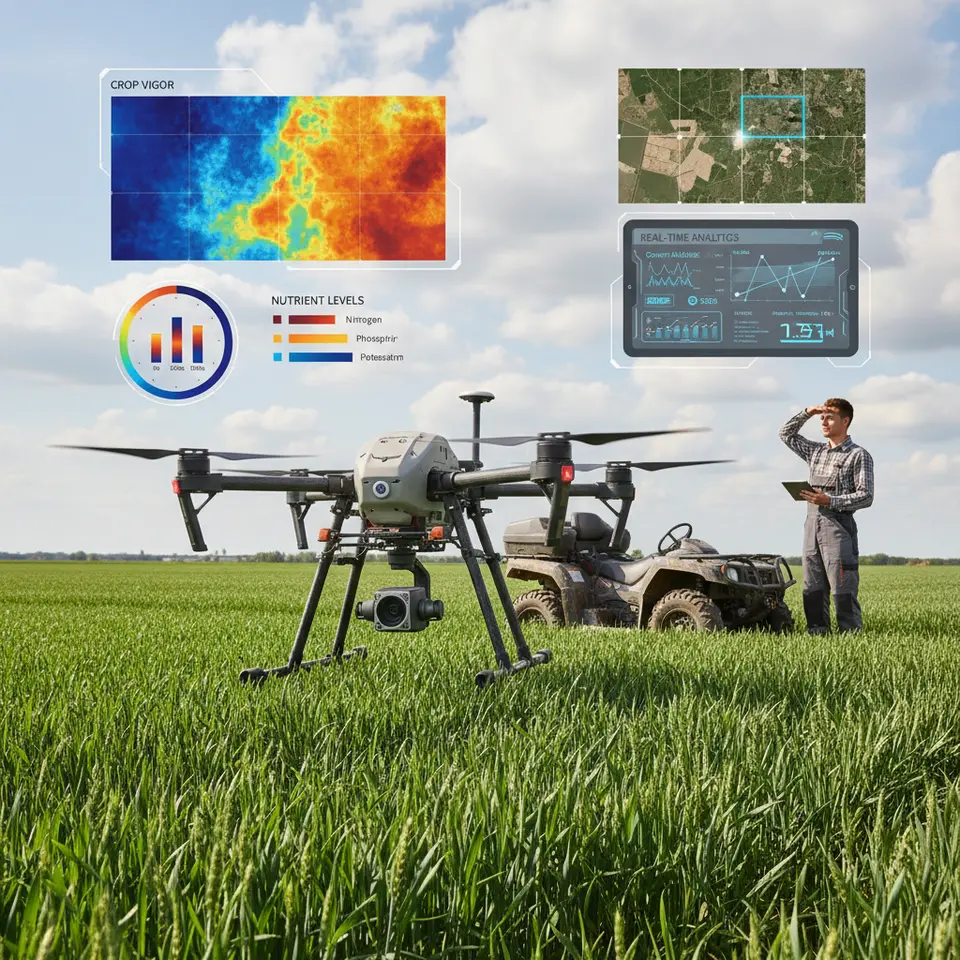
High-resolution imagery from unmanned aerial vehicles and earth observation satellites reveals subtle changes in crop vigor, pest hotspots, and nutrient deficiencies. Multispectral and thermal sensors detect early stress signals, allowing for targeted interventions that save time, labor, and inputs. By overlaying successive flight data, farmers track the progression of health metrics and fine-tune sustainable farming protocols.
GPS-Guided Equipment and Automation
Autosteering systems and variable-rate controllers fitted on tractors and implements ensure precise planting, fertilizing, and spraying. These technologies eliminate overlap, reduce operator fatigue, and conserve seed and chemical inputs. Automatic section control shuts off boom sprayers at headlands, preventing drift and minimizing environmental impact. The result is a leaner operation that maximizes output per acre.
Farm Management Software Platforms
Today, integrated software solutions aggregate field data, financial records, and supply chain information into intuitive dashboards. Cloud-based applications facilitate collaboration among agronomists, field crews, and business managers. Automated alerts flag anomalies in cost per unit, yield deviations, or equipment maintenance needs. By centralizing data, farms gain transparency into every facet of production, enabling continuous improvement and strategic planning.
Decision Support and Predictive Analytics
Artificial intelligence and machine learning models process historical yields, weather patterns, and market trends to forecast optimal planting dates, crop mixes, and pricing strategies. Decision support tools suggest harvest windows that balance quality and logistical constraints. With predictive insights, growers turn uncertainty into a managed risk, aligning sustainable farming objectives with financial performance targets.
Together, these precision tools and analytical capabilities form the backbone of a modern sustainable farming enterprise.
Conclusion
Embracing sustainable farming completely revitalizes the educational landscape, offering students a profound connection to nature. By prioritizing hands-on learning, schools significantly boost academic retention, reduce anxiety, and foster a serene environment. Implement these transformative strategies on your campus today to cultivate focused, resilient, and environmentally conscious future leaders.
Frequently Asked Questions
1. What exactly does sustainable farming mean in a school setting?
In an educational context, it involves teaching students how to grow food using ecologically sound methods. This includes organic pest control, composting, water conservation, and promoting biodiversity, all integrated directly into the academic curriculum to provide hands-on learning experiences.
2. How much does it cost to start an agricultural program on campus?
Costs vary significantly based on scale. A modest start with a few raised beds and essential tools can cost under five hundred dollars. Schools often offset these initial expenses by securing grants from environmental nonprofits, soliciting community donations, or hosting seed-funding drives.
3. How do teachers integrate garden work into standard academic subjects?
Teachers use the garden as a practical laboratory. Math classes calculate area, volume, and growth rates. Science classes study botany, soil chemistry, and ecosystems. English classes use the garden for observational journaling and descriptive writing exercises. History classes explore indigenous agricultural practices.
4. What happens to the school garden during the summer break?
Summer maintenance remains a primary challenge. Successful programs establish a robust volunteer schedule involving parents, community members, and local youth organizations. Some schools hire a part-time garden coordinator or offer summer enrichment camps focused on maintaining the green space.
5. Can urban schools with no green space participate in these programs?
Absolutely. Urban schools utilize hydroponic systems, indoor grow lights, vertical wall planters, and rooftop containers. These technologies teach students advanced, space-efficient agricultural methods and demonstrate that food production can occur anywhere.
6. Does exposure to dirt and soil pose health risks to students?
Basic hygiene practices, such as washing hands thoroughly after activities, mitigate most risks. In fact, exposure to healthy soil microbiomes strengthens the immune system and has proven psychological benefits, including reducing anxiety and elevating mood.
7. How does agricultural education specifically improve student focus?
Outdoor learning provides a sensory-rich environment that engages the brain without causing fatigue. Time spent in nature restores attention capacity, allowing students to return to indoor, focused tasks with improved concentration, working memory, and reduced hyperactivity.
8. What are the easiest crops for beginners to grow in a school garden?
Fast-growing and hardy crops provide the best initial experience. Radishes, lettuce, spinach, kale, and bush beans germinate quickly and require minimal specialized care. Herbs like mint and basil are also excellent due to their strong sensory appeal.
9. How do we secure administrative support for sustainable farming initiatives?
Present administrators with data highlighting improved academic outcomes, reduced behavioral incidents, and enhanced student mental health. Provide a clear, low-cost implementation plan, align the project with state educational standards, and emphasize the positive community relations the program will generate.
10. Can these programs work for students with special educational needs?
Yes, garden programs are highly adaptable. Raised beds accommodate wheelchairs, while the sensory input of plants benefits students with autism or sensory processing disorders. The non-competitive, hands-on nature of the work provides an inclusive environment where all students can experience success.
