
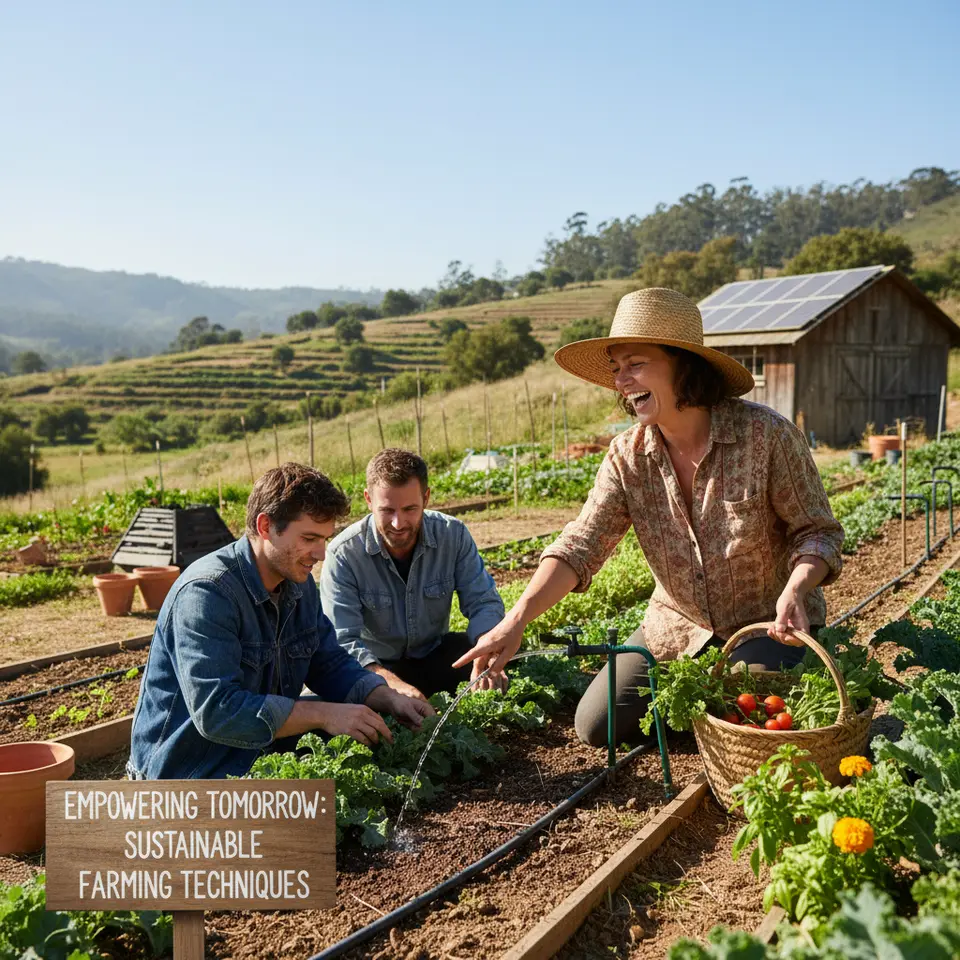
Embracing sustainable farming in educational settings cultivates an environment of calm and focus, allowing students to connect deeply with ecological cycles and modern agricultural practices.
This comprehensive guide explores how integrating sustainable farming into school curriculums enhances student focus and reduces anxiety. Discover actionable frameworks, expert tips, and a detailed comparison of traditional versus ecological education to transform your learning environment and foster environmental stewardship.
The Intersection of Agriculture and Education
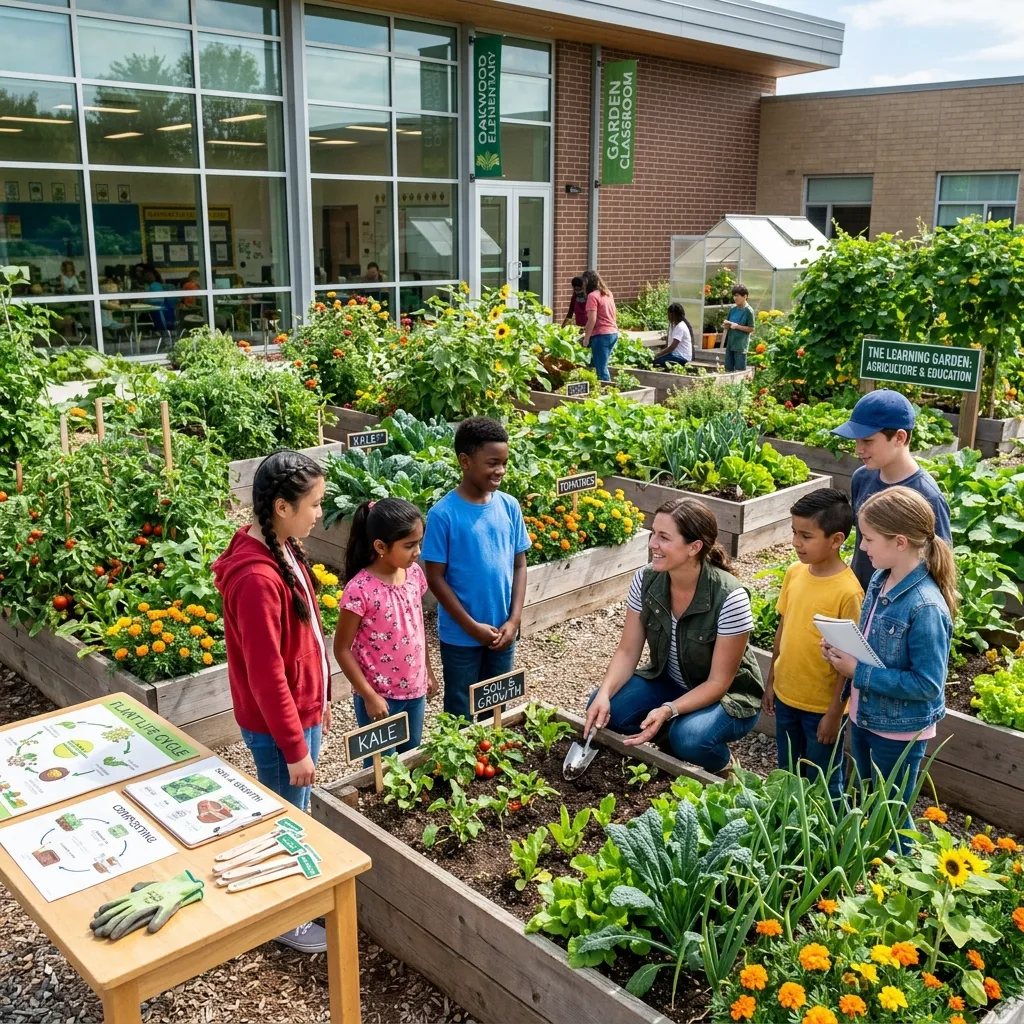
The modern classroom often feels disconnected from the natural world. Students spend hours staring at screens, absorbing abstract concepts. Introducing sustainable farming into this dynamic fundamentally shifts how students learn. It moves education from the theoretical to the practical. When students engage with the soil, they experience a grounding effect. This hands-on interaction with sustainable farming reduces stress levels and improves overall cognitive function.
Fostering Calmness Through Nature
Research consistently shows that exposure to natural environments lowers cortisol levels. When schools implement sustainable farming programs, they create outdoor sanctuaries. These green spaces offer a break from the high-pressure testing environment. Students who participate in planting seeds, watering crops, and observing plant growth report feeling more centered. The rhythmic, predictable nature of agricultural tasks provides a meditative experience. This active mindfulness translates directly into better behavior and enhanced emotional regulation inside the traditional classroom.
Enhancing Cognitive Focus
Attention spans are shrinking. The constant barrage of digital notifications fragments focus. Sustainable farming requires sustained, quiet attention. Whether a student is measuring the pH of the soil or observing the lifecycle of a beneficial insect, they must remain present. This sustained attention acts as a mental workout, strengthening the brain’s ability to focus on long-term tasks. Furthermore, understanding the complex systems involved in sustainable farming challenges students to think critically and solve problems in real-time.
Embracing Regenerative Principles
Regenerative agriculture forms the foundation of many sustainable farming techniques, emphasizing the restoration of ecosystems rather than merely sustaining them. By focusing on practices that rebuild soil organic matter, increase biodiversity, and improve water cycles, growers can sequester carbon, boost resilience, and protect natural habitats. Minimizing mechanical disturbance is a core tenet: reduced or no-till operations help maintain soil structure, preserve microbial networks, and diminish erosion. Farmers who adopt this approach report improved moisture retention and reduced input costs over time.
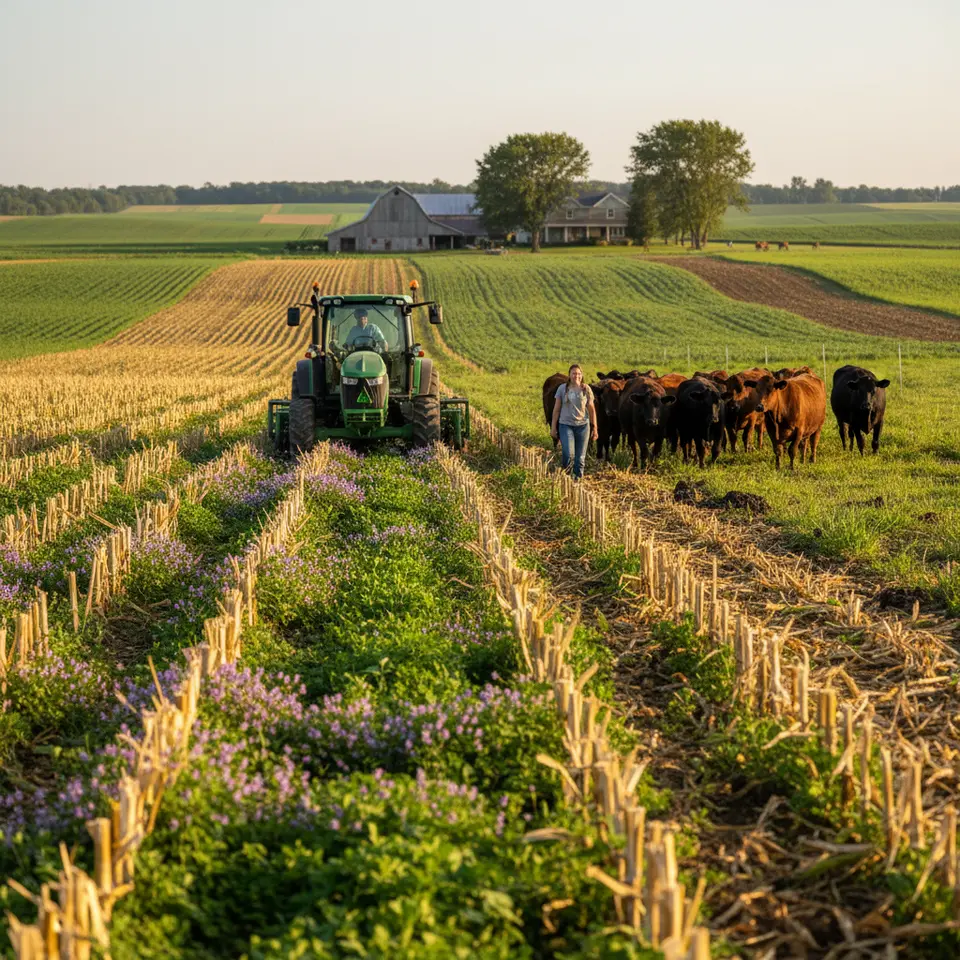
Continuous living cover is another pillar, involving the use of cover crops such as clover, vetch, or legumes to shield bare soil from harsh weather and suppress weeds. These plants introduce organic matter through their root systems and fix atmospheric nitrogen, enriching the ground for subsequent planting seasons. Implementing diverse crop rotations disrupts pest cycles, balances nutrient demands, and enhances yield stability. A sequence of grains, pulses, and oilseeds creates a dynamic cycle that fosters ecological balance.
Integrating livestock within cropping systems further exemplifies holistic land management. Managed grazing recycles nutrients through manure, stimulates plant regrowth, and offers supplemental income streams. Such rotational grazing systems can transform pasture health, reduce reliance on external fertilizers, and support wildlife habitats. Institutions including Cornell University and other research centers provide extensive resources and case studies illustrating successful transitions from conventional to regenerative models.
Transitioning to regenerative methods often begins with small, manageable changes. Starting with cover crop trials on a portion of acreage allows producers to observe soil responses and refine seed mixes. Over time, integrating livestock requires fencing, water systems, and careful monitoring of herd density to prevent overgrazing. Many successful farms have documented these step-by-step journeys, showcasing how incremental adjustments yield compounding benefits. Extension programs and community workshops can provide hands-on guidance, helping operators bridge knowledge gaps and connect with peer networks.
Financial incentives and cost-share programs, offered by government agencies and nonprofit initiatives, can ease the initial investment. Grants from agricultural conservation programs and resource conservation districts may cover equipment upgrades, seed purchases, or technical training. Engaging with agronomists and ecologists helps align farm goals with local ecosystem capacities, ensuring that the adopted sustainable farming techniques are tailored to specific soil types, climate patterns, and market demands. By weaving together research-backed innovations and traditional knowledge, today’s growers are crafting agricultural landscapes that deliver on both productivity and ecological stewardship.
Enhancing Soil Health for Higher Productivity
Organic Amendments
Improving soil fertility through organic amendments is central to sustainable farming techniques. Applying composted plant residues, animal manures, and biochar enriches the soil with essential nutrients and beneficial microorganisms. These materials enhance soil structure, increase water-holding capacity, and foster nutrient cycling by feeding microbial communities. Consistent incorporation of organic matter reduces dependency on synthetic fertilizers and buffers plants against stress from drought or nutrient fluctuations. Many growers use on-farm waste streams—such as crop cuts or livestock bedding—to produce custom compost blends tailored to their fields.
Cover Cropping Strategies
Cover crops serve multiple roles beyond erosion control. Diverse mixes of legumes, grasses, and brassicas can be sown between cash crops or during fallow periods, improving soil aggregation and suppressing weeds. Certain varieties, like hairy vetch or winter rye, excel at scavenging residual nutrients and preventing leaching into waterways. Over time, their root systems create channels that boost aeration and drainage. According to research from the USDA Natural Resources Conservation Service, cover cropping can reduce nitrate runoff by up to 70 percent while adding significant organic carbon to soils. Farmers select species based on rainfall patterns, soil textures, and planned cash crops for the following season.
No-Till and Reduced Tillage
Minimizing mechanical soil disruption preserves vital fungal hyphae and soil pores that support plant roots. No-till planters and reduced-tillage equipment enable direct seeding into crop residues, saving fuel and labor while maintaining protective mulch layers. The persistence of organic residues also moderates soil temperatures and reduces moisture evaporation. In regions prone to wind and water erosion, no-till practices have proven instrumental in preventing topsoil loss and sustaining long-term productivity. Coupled with precise nutrient management, this component of sustainable farming techniques leads to healthier, more resilient fields that demand fewer chemical inputs.
Implementing these soil-focused strategies requires planning, monitoring, and sometimes adjustments in machinery or workflow. Soil testing, conducted annually, guides amendment rates and identifies nutrient imbalances. Partnering with agronomists or university extension services ensures best practices aligned with local conditions and helps farmers optimize their use of organic and mechanical tools. By elevating soil health, growers unlock the full potential of their land, securing higher yields and reinforcing environmental stewardship.
Comparing Traditional Classrooms vs. Outdoor Learning
Understanding the distinct advantages of outdoor education helps administrators justify the investment in agricultural programs.
|
Feature |
Traditional Classroom |
Outdoor Learning Environment |
|---|---|---|
|
Sensory Input |
Highly restricted, predominantly visual/auditory |
Multisensory, tactile, olfactory, dynamic |
|
Physical Movement |
Sedentary, confined to desks |
Active, involves walking, bending, lifting |
|
Stress Levels |
Often high due to performance pressure |
Generally lower, promotes emotional regulation |
|
Learning Style |
Abstract, theoretical, text-based |
Concrete, experiential, hands-on |
|
Student Engagement |
Prone to attention fatigue |
High, sustained through interactive tasks |
|
Air Quality |
Recycled indoor air, artificial lighting |
Fresh air, natural sunlight for Vitamin D |
This table illustrates how an agricultural curriculum effectively complements traditional methods, filling critical gaps in student development.
Common Mistakes to Avoid When Launching School Gardens
Many enthusiastic schools launch garden projects only to see them fail within a few years. Avoiding common pitfalls ensures the longevity of the initiative.
First, do not start too large. Ambition easily outpaces capacity. A massive garden requires significant maintenance, which quickly overwhelms volunteers. Start with a few raised beds and expand gradually as the community demonstrates sustained commitment.
Second, failing to plan for summer maintenance guarantees a weed-infested, dead garden by September. Plants require consistent care during the hottest months when students are away. Establish a summer volunteer rotation involving families, community groups, or summer school programs.
Third, isolating the garden from the academic curriculum limits its impact. If the garden exists solely as an extracurricular club, it will not benefit the broader student body. Teachers must actively integrate sustainable farming into their daily lesson plans.
Pro Tips and Expert Insights for Long-Term Success
To elevate a basic garden into a thriving educational ecosystem, schools should adopt strategies used by successful agricultural educators.
- Compost Everything Possible: Teach students the closed-loop cycle by establishing a robust composting program. Collect fruit and vegetable scraps from the cafeteria. This reduces waste and provides nutrient-rich soil amendments for the garden.
- Embrace Companion Planting: Teach students how certain plants support each other. Planting marigolds near tomatoes deters nematodes, while the “Three Sisters” method (corn, beans, squash) demonstrates historical indigenous farming techniques and biological synergy.
- Secure Community Partnerships: Connect with local master gardeners, university extension offices, and agricultural businesses. These experts can provide invaluable advice, donate supplies, and offer guest lectures to students.
- Celebrate the Harvest: Organize tasting events, farmers markets, or community dinners using the food students grew. These celebrations validate their hard work and build strong community bonds.
Implementing Smart Water Management
Drip and Micro-Irrigation Systems
Water efficiency stands at the forefront of sustainable farming techniques, particularly in areas facing seasonal drought or limited supplies. Drip irrigation delivers water directly to the plant root zone through emitters, reducing evaporation and runoff. When combined with micro-sprinklers, this approach allows growers to optimize moisture levels precisely where crops need it. Automated sensors, such as tensiometers or capacitance probes, can trigger irrigation events only when field capacity falls below ideal thresholds, conserving resources and preventing waterlogging.
Rainwater Harvesting and Storage
Collecting and storing rainwater in tanks, ponds, or underground cisterns provides a renewable off-grid source for irrigation and livestock watering. Systems that capture roof runoff from barns or greenhouses can significantly augment surface or groundwater supplies, especially during dry spells. Filtration and sedimentation units ensure water quality by removing debris and pathogens, making harvested moisture suitable for sensitive crops. In regions where municipal water rates are high, investing in rainwater infrastructure often yields rapid returns by offsetting operating costs.
Mulching for Moisture Conservation
Organic mulches, such as straw, wood chips, or cover crop residues, create a protective layer over the soil surface that limits evaporation and suppresses weed growth. Studies from the Food and Agriculture Organization indicate that mulched fields can retain up to 30 percent more moisture compared to bare ground, translating into reduced irrigation frequency. Mulches also moderate soil temperature fluctuations, creating stable microclimates that benefit root development and microbial activity. Choosing biodegradable materials ensures that mulch components gradually integrate into the soil, boosting organic content.
To maximize water-use efficiency, farmers often combine these techniques into integrated water management plans. For example, laying drip lines beneath mulch layers further reduces surface evaporation and directs moisture precisely to seedlings. Precise scheduling—based on evapotranspiration data, weather forecasts, and crop stage—prevents overwatering and conserves energy. Today’s growers use smartphone apps and weather stations to track irrigation events and soil moisture patterns, ensuring that every drop contributes directly to plant growth. By adopting these smart water strategies, operators can mitigate the risks of drought stress and safeguard yield stability amid shifting precipitation patterns this year (2026).
Integrating Renewable Energy Solutions
Solar Power Installations
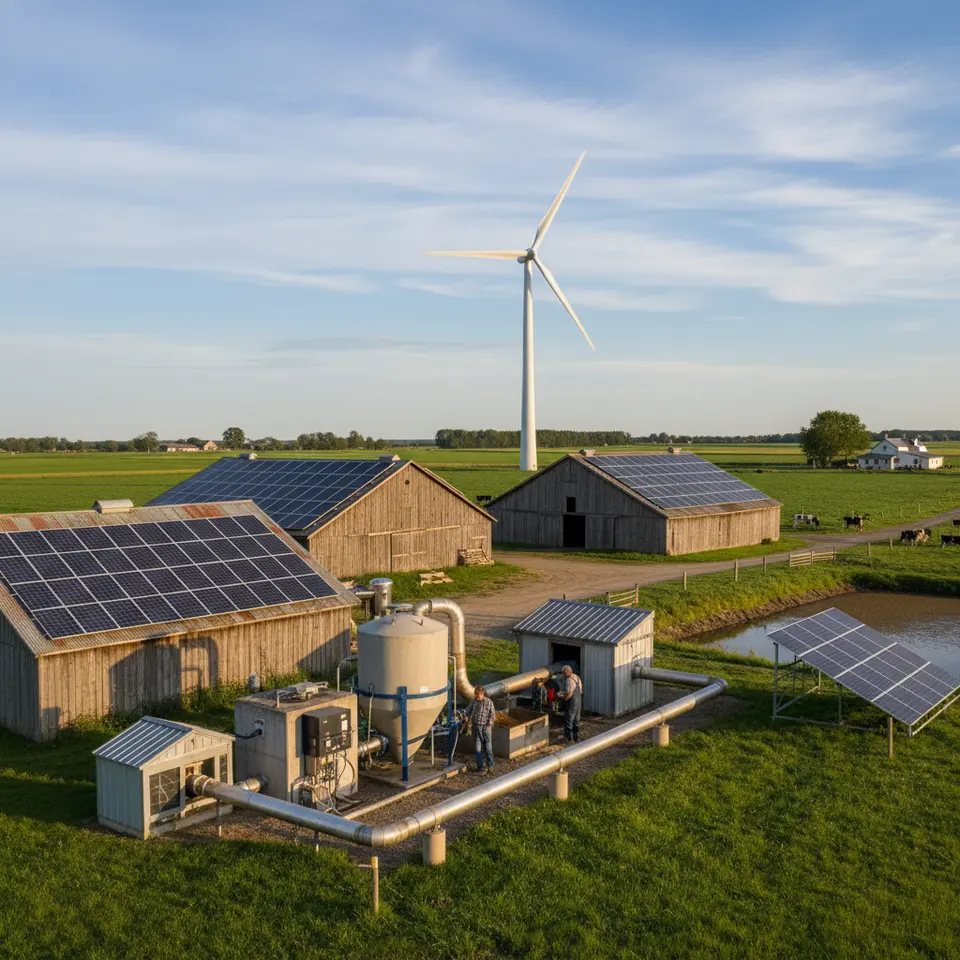
Renewable energy is a powerful ally for farms aiming to lower operating costs and reduce carbon footprints. Photovoltaic panels mounted on barn roofs or ground arrays can generate electricity for pumps, lighting, and processing equipment. Net metering agreements with utility providers allow producers to export excess power back to the grid, offsetting consumption during peak hours. Solar hot-water systems can also preheat wash stations or greenhouse environments, cutting reliance on fossil fuels and enhancing overall energy efficiency.
Wind Turbines and Hybrid Systems
In regions with consistent wind resources, small- to medium-scale turbines offer a viable supplement to solar output. By integrating wind and solar into a hybrid setup, operators maintain power generation across cloudy or calm periods, ensuring stable energy availability year-round. Modern turbines include variable-speed controls and grid-tie inverters that optimize production based on wind intensity. Pairing wind installations with battery storage systems further smooths supply fluctuations, providing backup during outages and reducing peak demand charges.
Bioenergy and Anaerobic Digestion
Anaerobic digesters transform livestock manure and crop residues into biogas—a renewable fuel that can run generators for electricity or deliver heat through combined heat and power (CHP) units. The residual digestate, rich in nutrients, serves as a high-quality organic fertilizer, closing the nutrient loop and enhancing sustainability. Many farms leverage digesters to process waste streams while generating revenue through renewable energy credits. Continuous feedstock supply from dairies, poultry operations, or silage-based systems ensures consistent biogas yield.
Adopting these renewable energy solutions often involves upfront capital investments, but government incentives, tax credits, and cost-share programs can alleviate financial burdens. Consultation with local energy authorities or agencies—such as the U.S. Department of Energy—helps readers navigate grant opportunities and technical requirements. Over time, energy savings and additional income from selling power can radically improve farm profitability, making clean energy a cornerstone of sustainable farming techniques and environmental leadership.
Maintenance routines and performance monitoring are integral to maximizing returns on renewable installations. Remote monitoring platforms alert operators to system inefficiencies, inverter faults, or capacity dips, enabling timely interventions. In combination with energy audits, these insights inform decisions on expanding capacity or integrating emerging technologies like solar tracking and micro-hydro systems. By weaving renewable power into everyday operations, today’s producers safeguard resources and demonstrate climate responsibility to consumers and stakeholders.
Precision Agriculture: Embracing Digital Innovations
Soil and Crop Sensors
Precision agriculture stands as a beacon of efficiency for those exploring sustainable farming techniques. Real-time sensors placed throughout fields measure soil moisture, nutrient levels, and temperature, supplying actionable data that guides irrigation and fertilization decisions. By targeting inputs only where and when they are needed, farmers minimize waste and prevent overapplication of chemicals. This targeted approach enhances crop health while reducing environmental runoff.
GPS-Guided Machinery and Automated Systems
Global Positioning System (GPS) technology empowers tractors, sprayers, and planters with automated steering and section control. Precision guidance ensures that seeding rates and application patterns maintain consistent coverage without unnecessary overlap. As a result, fuel consumption decreases and chemical usage is optimized. Automated variable-rate applicators can tailor seed, fertilizer, or pesticide rates based on georeferenced prescription maps, aligning input levels with field variability to maximize yield potential and resource use efficiency.
Farm Management Platforms and Data Analysis
Digital dashboards consolidate field records, machinery logs, weather data, and financial metrics into unified platforms. Cloud-based software streamlines planning, budgeting, and compliance tracking, offering customizable reports that reveal cost-saving opportunities and environmental benefits. Some systems integrate satellite imagery and drone-collected aerial photos, enabling growers to monitor plant health, identify pest outbreaks, or assess irrigation uniformity at scale. In today’s digital landscape, these tools transform raw data into insights that enhance decision-making and bolster sustainability claims.
Linking these technologies often involves partnerships with technology providers or academic programs. The National Institute of Food and Agriculture supports research and extension initiatives that test and refine precision tools under a variety of agroecological conditions. Training technicians to interpret sensor data, maintain software, and calibrate equipment is vital for successful adoption. As farmers harness these innovations, they not only optimize resource use but also strengthen traceability and transparency—key elements in responding to consumer demand for responsibly grown food today.
Conclusion
Integrating sustainable farming into educational frameworks offers profound benefits for student well-being and cognitive focus. By embracing these ecological principles, schools cultivate mindful, environmentally conscious leaders equipped for tomorrow’s challenges. Ready to transform your curriculum? Start planning your campus garden today and watch your students thrive in a greener, calmer learning environment.
Frequently Asked Questions
1. What exactly is sustainable farming in an educational context?
Sustainable farming in education involves teaching students how to grow food using ecologically sound methods that protect the environment, conserve water, and promote healthy ecosystems, while using these activities to enhance academic learning and emotional well-being.
2. How does agricultural work improve student focus?
Engaging in hands-on, repetitive agricultural tasks provides a break from screen time and high-stress academics. This active mindfulness reduces cortisol levels, allowing students to return to traditional subjects with a calmer, more focused mindset.
3. Do schools need a lot of land to start a program?
No. Schools can start with small raised beds, indoor hydroponic towers, or even container gardens on windowsills. The principles of sustainable farming can be taught regardless of the physical space available.
4. How can we maintain the garden during summer vacation?
Establish a summer maintenance committee consisting of parents, teachers, and community volunteers. You can also partner with local youth groups or summer camps who can use the garden as an educational space during the break.
5. What subjects can be integrated with these farming programs?
Almost all subjects can be integrated. Science classes study plant biology and soil chemistry; math classes measure growth and calculate yields; language arts classes write journals; and history classes study agricultural developments.
6. Are there safety concerns with students working in gardens?
Safety is easily managed by establishing clear rules. Ensure all tools are age-appropriate, use only organic pest control to avoid chemical exposure, and teach students proper hand-washing techniques after working with soil.
7. How much does it cost to implement these programs?
Costs can be kept very low by seeking donations for seeds, soil, and tools from local hardware stores or nurseries. Many educational grants and community funds are also available specifically for school gardening initiatives.
8. What are the best crops to grow with students?
Fast-growing crops like radishes, leafy greens, peas, and bush beans are excellent because they yield quick results. Sensory plants like mint, basil, and cherry tomatoes also engage students effectively.
9. Can sustainable farming help students with behavioral issues?
Yes. The physical exertion and sensory engagement of working outside often help students who struggle to sit still in a traditional classroom. The garden provides a therapeutic environment that reduces anxiety and frustration.
10. How do we measure the success of an agricultural program?
Success can be measured through student engagement levels, improvements in academic performance in related subjects, qualitative feedback regarding student anxiety and focus, and the actual yield and health of the garden itself.
