
As the global population climbs rapidly, ensuring food security while preserving environmental resources is a pressing challenge. In today’s digital landscape, farmers and researchers are increasingly turning to innovative sustainable farming practices to address soil degradation, water scarcity, and climate impacts. By blending ecological principles with cutting-edge technology, these methods not only boost crop yields but also enhance biodiversity and carbon sequestration. This year (2026), the agricultural sector is experiencing a paradigm shift, with growers adopting techniques that harmonize productivity with stewardship. Whether it’s integrating cover crops to replenish soil organic matter or harnessing sensor-driven irrigation, the range of solutions available demonstrates the dynamic evolution of modern agriculture.
In this comprehensive guide, we explore five thematic approaches, each encompassing two pioneering techniques set to redefine sustainable farming. From the synergy of regenerative agriculture and agroforestry to the transformative potential of vertical farming and digital traceability, these strategies offer actionable pathways for both smallholders and large-scale operations. Alongside practical insights, we highlight authoritative resources such as the Food and Agriculture Organization (FAO) and the United States Department of Agriculture (USDA) to support implementation. By examining these integrated frameworks, farmers can make informed decisions that balance productivity, profitability, and planetary health. Let’s delve into the leading-edge practices shaping agriculture today, and discover how you can apply these innovative sustainable farming practices on your land.
Regenerative Agriculture and Agroforestry Systems
Revitalizing Soil with Regenerative Techniques
Regenerative agriculture focuses on restoring the vitality of farmland by mimicking natural ecosystems. Today, growers deploy cover crops to shield bare soil from erosion, while employing minimal tillage to preserve the soil structure and microbial networks. Practices like diverse crop rotations bolster soil organic matter, enhancing nutrient cycling and water retention. Farmers can introduce legumes such as clover or vetch to fix atmospheric nitrogen, reducing dependency on synthetic fertilizers and lowering greenhouse gas emissions. By fostering robust soil biota, regenerative systems build resilience against droughts and pests, ensuring long-term productivity. This integrative approach embodies innovative sustainable farming practices that optimize land stewardship without sacrificing yield. Incorporating rotational grazing for livestock further stimulates soil regeneration by distributing manure uniformly and promoting root growth. Standardized IoT protocols such as LoRaWAN and NB-IoT facilitate connectivity across remote fields, ensuring reliable data transmission for real-time decision support. According to research from the University of California Davis, regenerative methodologies can increase carbon sequestration by up to 30% compared to conventional tillage. Additionally, government programs such as those offered by USDA provide cost-share incentives for conservation practices. Farmers implementing these techniques often observe healthier soil profiles, improved crop quality, and reduced input costs over time, underscoring why regenerative agriculture remains a cornerstone of innovative sustainable farming practices in 2026.
Integrating Trees through Agroforestry
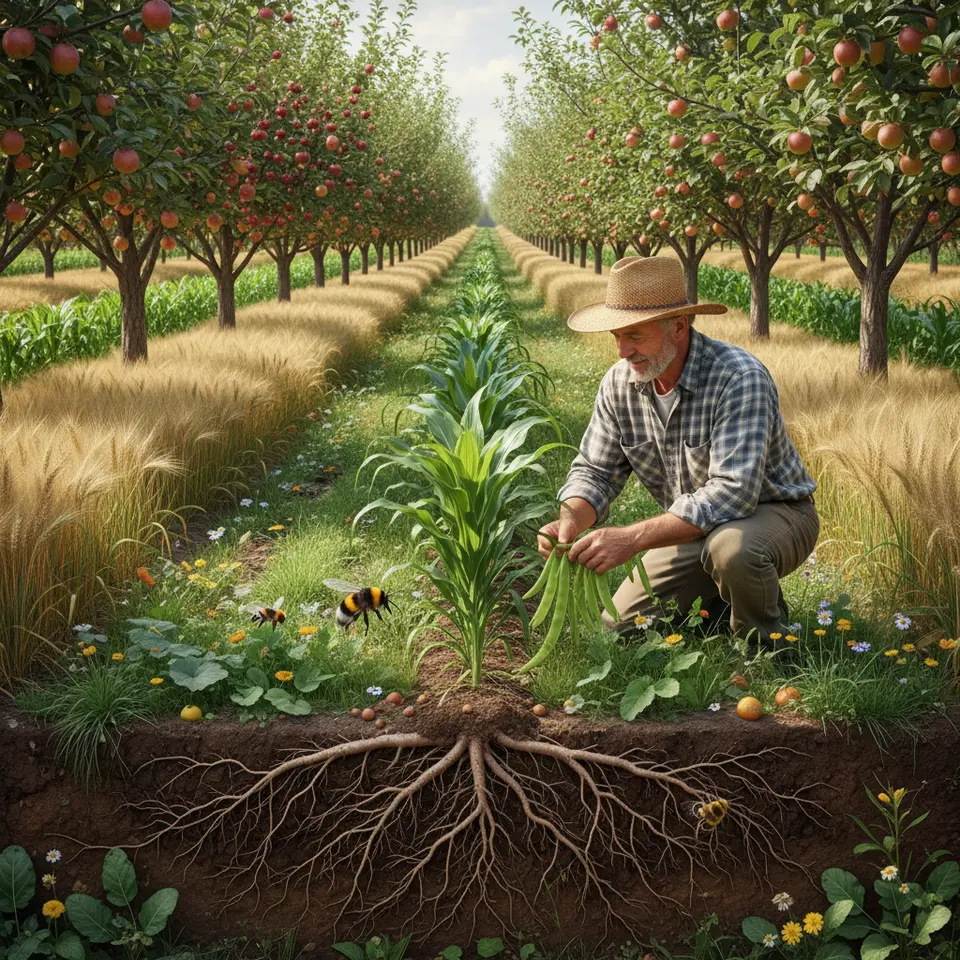
Agroforestry integrates woody perennials into crop and livestock systems, creating multifunctional landscapes that support both production and conservation. By planting rows of fruit or nut trees alongside cereals and vegetables, farmers generate diversified income streams while enhancing habitat complexity. The tree canopy moderates microclimates by providing shade during hot days, reducing soil moisture loss and shielding understory crops from wind stress. Deep-rooted species like alder or poplar access nutrients beyond the reach of annual plants, cycling essential elements back to the surface and improving overall soil fertility. Additionally, alley cropping—a form of agroforestry—allows mechanized cultivation between tree rows, blending modern efficiency with ecological balance. Integrating trees can also attract beneficial wildlife, such as pollinators and predatory insects, thereby supporting natural pest control mechanisms and reducing reliance on chemical applications. In today’s context, agroforestry exemplifies innovative sustainable farming practices by harmonizing carbon storage, biodiversity conservation, and farm profitability. Research by the World Agroforestry Centre underscores that diversified agroforestry systems can deliver up to a 50% increase in total farm productivity compared to monocultures. Several demonstration farms supported by state universities illustrate best practices, providing real-world models for this integrated approach. Policy frameworks at the regional level now recognize agroforestry within conservation compliance programs. Farmers committed to agroforestry often collaborate with extension services and local universities to select appropriate species and design layouts tailored to their climate and soil conditions, making agroforestry a fundamental pillar of sustainable farming initiatives this year (2026).
Precision Farming and Digital Traceability
Optimizing Inputs with IoT and Data Analytics
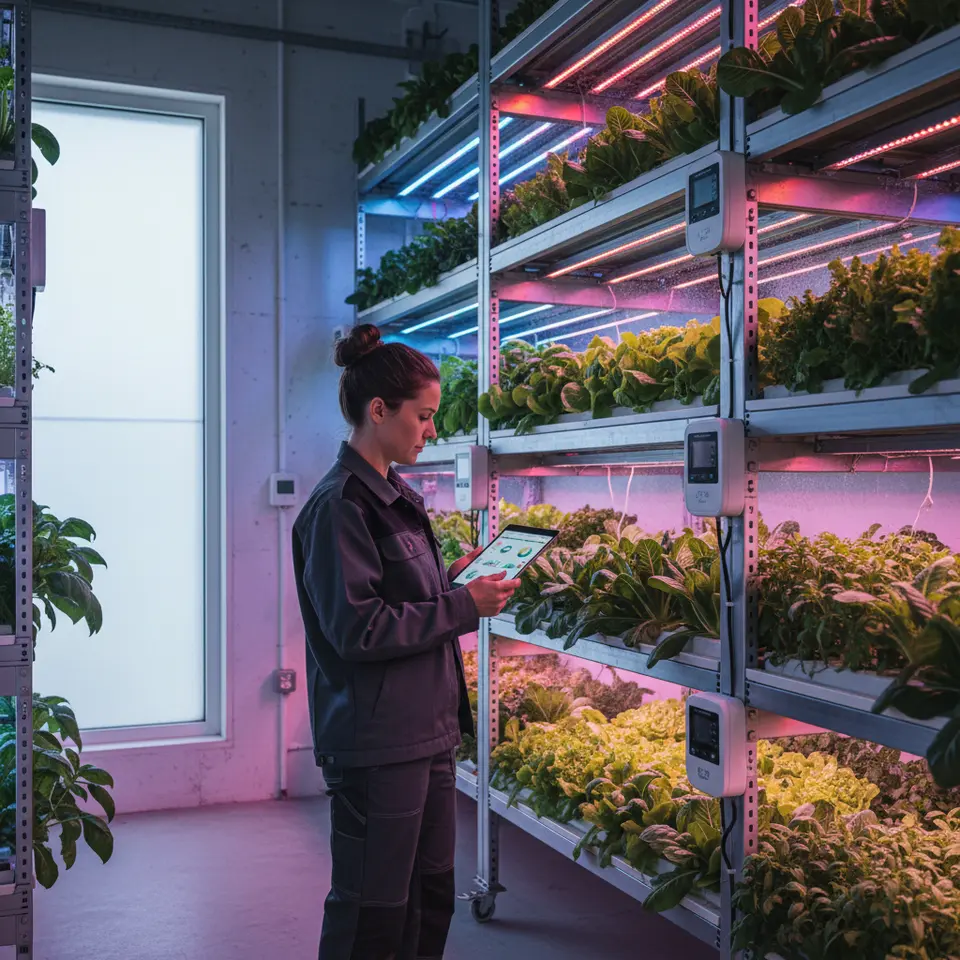
Precision farming harnesses the power of sensor networks, drones, and satellite imaging to deliver precise agronomic recommendations. Soil moisture probes and nutrient sensors transmit real-time data to cloud-based platforms, enabling farmers to apply water, fertilizer, and crop protection products only where and when they are needed. This targeted input strategy reduces waste, lowers operational costs, and minimizes environmental impact by preventing over-application. GPS-guided machinery can execute variable-rate seeding and fertilization, ensuring each field zone receives customized treatment based on its unique characteristics. This combination of geospatial mapping and machine learning algorithms underpins innovative sustainable farming practices by elevating decision-making from intuition to data-driven precision. Farmers can access user-friendly dashboards on mobile devices, receiving alerts about emerging stress patterns and anticipating weather-driven risks. Drones equipped with multispectral cameras further enhance scouting efforts by identifying areas of pest pressure or nutrient deficiency before they become visible to the naked eye. Standardized IoT protocols such as LoRaWAN and NB-IoT facilitate connectivity across remote fields, ensuring reliable data transmission. A study published by Michigan State University demonstrates that precision technologies can improve input efficiency by up to 25%, while maintaining or boosting yields. Integrating these advanced systems requires proper training and investment in connectivity infrastructure; however, government and private-sector grant programs often offset initial costs. In today’s digital landscape, precision agriculture exemplifies how technological innovation can support both economic viability and environmental stewardship on the farm.
Enhancing Transparency via Digital Marketplaces
In today’s market, consumers demand to know the origin and quality of their produce. Blockchain-based supply chains and digital marketplaces enable farmers to record each step of the production process—from seed sourcing to harvest, processing, and distribution—on an immutable ledger. This level of transparency builds trust with buyers, allowing growers to command premium prices for sustainably produced goods. By scanning QR codes on packaging, consumers can verify certifications, view soil health metrics, and learn about the farming methods employed. Smallholders gain direct access to end consumers and wholesale buyers through online platforms, reducing intermediaries and increasing margins. Additionally, digital traceability tools help stakeholders respond swiftly to food safety incidents by pinpointing contamination sources. USDA’s Agricultural Marketing Service highlights several pilot projects where blockchain enhanced traceability and reduced product recalls by up to 30%. By integrating with existing Enterprise Resource Planning (ERP) systems, these digital solutions streamline administrative tasks, saving time and reducing paperwork burden. Collaboration between farmers, tech providers, and logistics partners is essential to establish interoperable systems and data governance frameworks. Through transparent supply chains, farmers practicing innovative sustainable farming practices can differentiate their products in competitive markets, fostering long-term relationships built on verifiable environmental and social standards.
Controlled Environment Agriculture and Water Management
Maximizing Yields with Vertical Farming
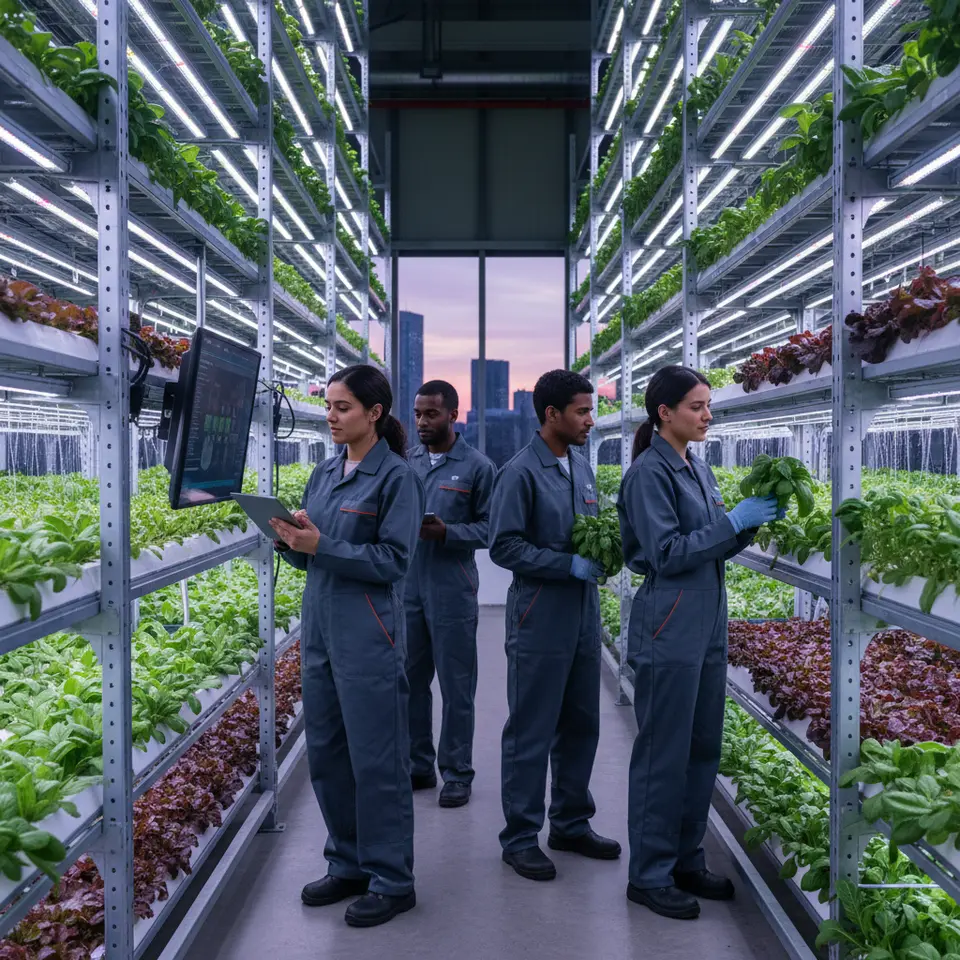
Vertical farming is revolutionizing urban and peri-urban agriculture by stacking layers of crops in climate-controlled facilities. Through Controlled Environment Agriculture (CEA), growers manage light spectra, temperature, and humidity to optimize photosynthesis and accelerate plant growth cycles. LED lighting systems tuned to specific wavelengths can enhance nutritional profiles and flavor in leafy greens and herbs, while hydroponic or aeroponic setups reduce growing media usage and eliminate soil-borne diseases. These closed-loop systems recirculate nutrient solutions, achieving up to 95% water savings compared to conventional field agriculture. Situated close to population centers, vertical farms slash transportation distances, curbing carbon emissions and delivering fresh produce with extended shelf life. This approach exemplifies innovative sustainable farming practices by blending technology and resource efficiency. In 2026, major metropolitan areas are witnessing a surge of commercial vertical farms partnering with local retailers and restaurants to satisfy consumer demand for hyper-local produce. Universities like Wageningen University (WUR) are conducting research on vertical cultivation techniques to further refine plant density and energy efficiency metrics. Despite higher startup costs, these systems benefit from economies of scale and renewable energy integration, which reduce operating expenses over time. As global urban populations grow, vertical farming represents a scalable solution to food security challenges in today’s rapidly evolving agricultural landscape.
Implementing Water-Smart Irrigation
In many regions, water scarcity poses a critical constraint on agricultural productivity. To address this, water-smart irrigation techniques enable precise delivery of moisture to crop root zones, minimizing losses through evaporation and runoff. Drip irrigation systems deliver water directly to plant bases, achieving efficiency rates above 90%. Subsurface drip setups further reduce surface evaporation by embedding drip lines beneath the soil surface. Automated scheduling systems, informed by weather forecasts and soil moisture sensors, adjust irrigation timing and volume in real time. Integration with smartphone apps and cloud-based platforms allows farmers to monitor multiple fields remotely, receiving alerts about potential leaks or system faults. This digital connectivity supports timely maintenance and prevents costly downtime. Studies by the International Water Management Institute show that adopting water-smart irrigation can reduce agricultural water use by up to 50%, conserving critical freshwater resources. Coupling these systems with rainwater harvesting or treated wastewater repurposing amplifies water resilience during drought periods. This year (2026), government programs in several states are offering subsidies for farmers installing smart irrigation infrastructure. Such strategies exemplify innovative sustainable farming practices by securing yields and preserving ecosystem services in today’s climate-challenged world.
Soil Amendments and Pest Management
Boosting Soil Health with Biochar
Biochar, a stable charcoal-like material produced through pyrolysis of biomass, is gaining traction as a soil amendment that sequesters carbon and improves soil function. When incorporated into farmland, biochar enhances water-holding capacity, reduces nutrient leaching, and provides habitat for beneficial microorganisms. These microbes play a pivotal role in nutrient cycling, breaking down organic matter and releasing essential elements for plant uptake. Farmers can produce on-site biochar using agricultural byproducts such as corn stover, rice husks, or pruning waste, creating a closed-loop system that valorizes residues. Incorporating biochar into the soil also mitigates greenhouse gas emissions by locking carbon in a resistant form that can persist for centuries. Research from the University of British Columbia indicates that biochar-amended soils can retain 30% more moisture under drought conditions, bolstering crop resilience. Mixing biochar with compost or manure prior to soil application can accelerate microbial colonization and nutrient availability. While application rates must be tailored to soil type and crop requirements, collaborative extension services in many regions provide guidelines and demonstration trials. By leveraging biochar, growers embrace innovative sustainable farming practices that combine climate mitigation with productivity gains, aligning with regulatory incentives and carbon credit programs this year (2026).
Balancing Ecosystems through Integrated Pest Management
Integrated Pest Management (IPM) is an ecosystem-based approach to controlling pests by combining biological, cultural, and chemical strategies in a coordinated plan. Rather than relying solely on synthetic pesticides, IPM emphasizes habitat management, crop rotation, and the introduction of natural enemies such as predatory insects or entomopathogenic nematodes. Pheromone traps and lure-based monitoring help detect pest populations early, enabling targeted interventions before outbreaks escalate. Cultural tactics—such as planting pest-resistant varieties and adjusting planting dates—can disrupt pest life cycles and reduce vulnerability. When chemical controls are necessary, they are applied sparingly and in spot-specific treatments to minimize non-target impacts. This nuanced method reflects innovative sustainable farming practices by fostering a balanced agroecosystem that prioritizes long-term ecological health. According to guidelines from the Environmental Protection Agency (EPA), IPM programs can decrease pesticide usage by up to 60% while maintaining crop yields. Education and training are vital for successful IPM adoption; many agricultural extension agencies offer workshops and decision-support tools to guide farmers through monitoring protocols and treatment thresholds. By integrating these practices, producers can manage pest pressures effectively, safeguard beneficial organisms, and meet rising market expectations for low-residue produce in today’s environmentally conscious climate.
Energy Solutions and Community Engagement
Powering Farms with Renewable Energy
Energy expenditures represent a significant portion of on-farm operating costs, particularly for greenhouse heating, irrigation pumping, and machinery. Integrating renewable energy systems such as solar photovoltaic panels, small wind turbines, and anaerobic digesters can offset these expenses and reduce carbon footprints. Solar arrays installed on rooftop greenhouses or adjacent land can supply electricity for LED lighting, climate control, and processing equipment. Excess power can be stored in battery banks or exported to the grid under net metering arrangements. Wind turbines complement solar generation, especially in regions with consistent wind resources, and biogas digesters convert animal manure or crop residues into methane, providing a continuous energy source for heating or electricity. Combining multiple renewable technologies enhances resilience and energy security, ensuring operations remain functional during grid outages or fuel shortages. Renewable integration aligns with innovative sustainable farming practices by transforming farms into energy-positive enterprises. Incentive programs from state and federal agencies can cover a portion of installation costs, while selling renewable energy credits generates additional revenue. Collaborative projects at research centers like the National Renewable Energy Laboratory (NREL) are advancing microgrid designs tailored for agricultural settings. By adopting these solutions, farmers reduce greenhouse gas emissions and gain financial stability through diversified income streams.
Strengthening Local Markets via CSA
Community-Supported Agriculture (CSA) programs foster direct partnerships between growers and consumers by selling farm shares at the outset of the season. Subscribers pay in advance for a share of the harvest, providing farmers with capital to purchase seeds, equipment, and inputs without resorting to loans. This financial model reduces market risk and allows producers to plan crop mixes tailored to subscriber preferences. CSAs often emphasize organic or innovative sustainable farming practices, including crop rotations, minimal chemical use, and fair labor standards, creating a transparent and educational farm-to-table experience. Members receive weekly or biweekly boxes of seasonal produce, which may include specialty items such as eggs, herbs, or value-added goods. Regular farm visits and newsletters educate stakeholders on agricultural methods, deepening community engagement and fostering loyalty. In today’s climate, CSAs serve as vital local food hubs, strengthening regional food security and reducing transportation-related emissions. According to a study by Appalachian State University, CSA participants report higher satisfaction and willingness to pay premiums for sustainably grown products. By embracing CSA models this year (2026), farmers not only secure predictable revenue but also build resilient local networks that champion environmental stewardship and nutritious diets.
FAQ
What are innovative sustainable farming practices and why are they important?
Innovative sustainable farming practices encompass a variety of methods—such as regenerative agriculture, precision farming, and controlled environment techniques—that enhance productivity while preserving natural resources. They are important because they address critical challenges like soil degradation, water scarcity, and climate change, ensuring long-term food security and ecosystem health.
How can farmers start with precision agriculture without large investments?
Farmers can begin by adopting basic sensors or smartphone-based apps that monitor soil moisture and weather conditions. Participating in cooperative or government-supported pilot programs often provides access to subsidized equipment. Sharing resources with neighboring farms or using open-source data platforms can further reduce initial costs.
What benefits does integrating renewable energy bring to a farm?
Integrating renewable energy systems—such as solar panels, wind turbines, and biogas digesters—lowers operating costs, reduces greenhouse gas emissions, and enhances energy security. Farms can generate additional income through net metering or renewable energy credits, making them more resilient to fuel price fluctuations.
Conclusion
In summary, the adoption of innovative sustainable farming practices empowers growers to address the intertwined challenges of food security, climate change, and ecosystem degradation. From rebuilding soil health with regenerative agriculture and agroforestry to leveraging precision IoT systems and digital traceability, today’s solutions combine scientific insight with practical application. Controlled environment agriculture, water-smart irrigation, and savvy soil amendments like biochar further optimize resource use while Integrated Pest Management safeguards biodiversity. Meanwhile, renewable energy integration and CSA programs enhance economic resilience and foster community connections. By weaving these strategies into a cohesive farm management plan, producers can boost yields, reduce environmental impacts, and meet growing consumer demands for transparency and sustainability. As we move forward in 2026, taking incremental steps—such as piloting a new crop rotation or installing sensor-equipped irrigation—can lay the groundwork for transformative change.
Engage with local cooperatives, attend workshops, and utilize online resources to refine your strategy. Collaborating with research institutions or participating in demonstration trials can accelerate adoption and provide peer support. Document your progress through farm logs and share successes in industry forums to inspire others. Together, these efforts will strengthen global food systems and ensure that agriculture remains viable, productive, and sustainable in today’s complex environment.
