
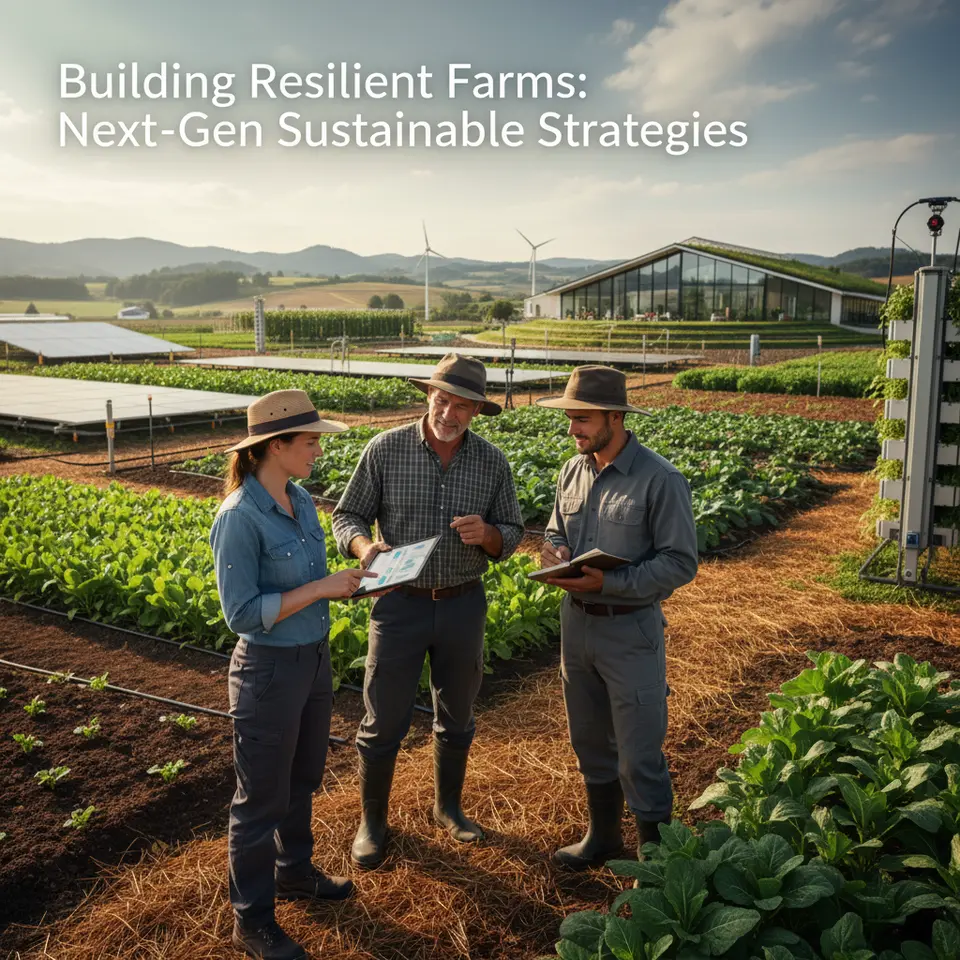
In today’s world, sustainable farming has evolved from a niche practice into a strategic imperative for food security and environmental stewardship. As climate volatility and population growth place mounting pressure on agricultural systems, growers are compelled to adopt resilient methods that maintain productivity while conserving natural resources. This year (2026), the focus on sustainable farming has never been more pronounced, as farmers seek approaches that improve soil health, optimize water and energy use, and integrate technology seamlessly into daily operations. The strategies outlined below showcase how modern producers can build a farm capable of thriving under unpredictable conditions and contributing to global food resilience.
Throughout this guide, you will discover next-generation techniques—from regenerative soil management to renewable energy adoption—designed to reduce input costs, enhance biodiversity, and sequester carbon. Drawing on research from leading institutions like the USDA and the Food and Agriculture Organization (FAO), these practices are rooted in evidence-based outcomes. Whether you manage a small family farm or operate a large commercial enterprise, incorporating these methods can elevate both profitability and ecological impact. In today’s digital landscape, innovative tools and data-driven decisions further empower farmers to monitor progress and adjust tactics in real time. Let’s explore five essential pillars of resilient agriculture that will shape sustainable farming throughout this year (2026) and beyond.
Strengthening Soil Resilience with Regenerative Practices
Healthy soil forms the cornerstone of any productive farm. Regenerative approaches focus on restoring the biological, chemical, and physical properties of the soil to foster long-term fertility and ecosystem balance. By reducing tillage intensity, producers preserve soil structure, minimize disruption of microbial networks, and limit erosion. No-till and reduced-till systems can be paired with cover crops—such as legumes, grasses, and deep-rooted forages—to enhance soil organic matter and facilitate nitrogen fixation. This living mulch protects the surface from compaction and moisture loss while feeding beneficial organisms.
Organic Amendments and Microbial Diversity
Integrating compost, biochar, and green manures supports microbial diversity, which plays a crucial role in nutrient cycling and disease suppression. Compost adds a spectrum of macro- and micronutrients while improving water retention. Biochar acts as a stable carbon reservoir, promoting long-term carbon sequestration and enhancing cation exchange capacity. Regular testing of soil pH, organic matter content, and nutrient levels allows for precision amendments that avoid overapplication and waste, reducing input costs over time.
Carbon Sequestration Benefits
By prioritizing living roots year-round and minimizing disturbance, regenerative soil health strategies capture atmospheric carbon in stable soil pools. According to studies from FAO, well-managed soils can sequester up to several tons of CO2 per hectare annually. This contributes not only to farm resilience—mitigating drought impacts and improving yield stability—but also to broader climate goals. As consumer demand shifts toward eco-friendly produce, demonstrating regenerative credentials can open new market opportunities and premium pricing for your farm’s output.
Diversifying Crops: Advanced Rotation and Polyculture Techniques
Crop rotation remains a time-honored tactic to interrupt pest and disease cycles, but modern sustainable farming elevates these sequences by incorporating polycultures—growing complementary species simultaneously. Strategic pairing of deep- and shallow-rooted plants ensures efficient nutrient uptake throughout the soil profile, reducing fertilizer dependence. Nitrogen-fixing legumes, when intercropped with cereals, provide in-situ fertility, while brassicas can suppress soil-borne pathogens and improve structure through biofumigation.
Designing Balanced Rotations
A well-designed rotation accounts for each crop’s nutrient demand, residue characteristics, and pest management benefits. For instance, following a heavy-feeder like corn with a nitrogen-fixing cover such as clover replenishes soil nitrogen naturally. Subsequent inclusion of brassica species can reduce nematode populations, preparing the field for a high-value vegetable or grain. Data-driven platforms—integrated with weather forecasts and soil test results—help plan optimal planting windows and sequence lengths, enhancing resilience against unpredictable weather patterns.
Polyculture Advantages
Polyculture systems increase biodiversity aboveground, fostering habitat for beneficial insects and pollinators. Trap crops can lure pests away from cash crops, while flowering species provide nectar sources for predators like lady beetles. This diversity stabilizes yield across varying conditions, as different species often respond uniquely to stressors. Experimenting with tailored mixtures—such as blending sorghum, cowpea, and sunflowers—can yield higher combined biomass than monocultures, offering both grain and forage outputs for diversified revenue streams.
Combining Trees and Crops: Agroforestry for Modern Agriculture
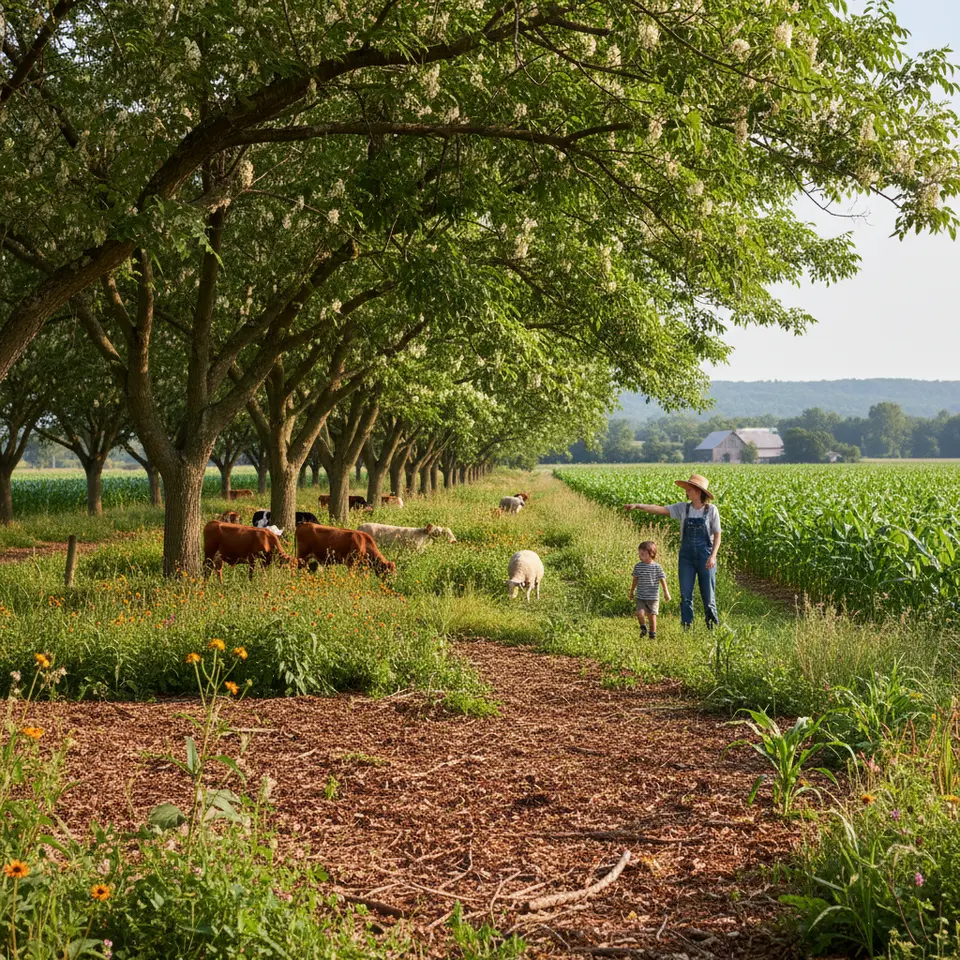
Agroforestry merges woody perennials with crops or livestock, creating multifunctional landscapes that bolster productivity and ecological services. Alley cropping, where rows of trees are interspersed with annual crops, provides shade, windbreaks, and consistent organic inputs via leaf litter. In silvopasture systems, livestock graze beneath tree canopies, benefiting from shelter and improved forage quality while contributing manure that enhances soil carbon and nutrient stocks.
Species Selection and Spatial Design
Choosing native or nitrogen-fixing trees—such as black locust, honey locust, or alder—maximizes benefits and reduces management needs. Spatial arrangements should consider mature canopy spread, root competition, and light requirements of understory crops. Proper spacing and pruning regimes maintain airflow and sunlight penetration, reducing disease pressure and optimizing photosynthetic efficiency.
Long-Term Ecosystem Services
Trees in agricultural settings sequester significant amounts of carbon, stabilize landscapes against erosion, and enhance habitat connectivity for wildlife. Over time, timber or fruit harvests generate additional income, offsetting establishment costs. Agroforestry systems also diversify risk: if grain prices dip, revenue from wood products or nut harvests can buffer profitability. In today’s market, consumers place high value on products sourced from diversified, ecological farms—translating ecological integrity into brand strength and consumer trust.
Optimizing Water Use Through Precision Irrigation and Conservation
Water scarcity ranks among the most pressing threats to global agriculture. Precision irrigation technologies—including drip, subsurface drip, and center-pivot systems—deliver water exactly where and when crops need it, maximizing efficiency and reducing waste. Soil moisture sensors, weather stations, and remote-monitoring tools feed real-time data into management platforms, guiding automated irrigation schedules that adapt to ebbing groundwater and shifting rainfall patterns.
Smart Monitoring and Automation
Installing a network of soil probes across multiple fields provides granular insights into moisture variability. When combined with weather forecast integration, automated valves can initiate or suspend irrigation cycles, preventing overwatering and minimizing nutrient leaching. Mobile apps offer intuitive dashboards for smallholders and large-scale operators alike, enabling swift adjustments from anywhere in the field or office.
Complementary Water Harvesting Strategies
Beyond precision delivery, farms can capture and store rainwater through contour bunds, swales, and rooftop collection systems. Retention ponds and constructed wetlands both recharge aquifers and provide secondary irrigation sources during dry spells. Cover crops and mulches play a pivotal role by curbing evaporation, maintaining soil moisture, and improving infiltration rates. By combining these tactics, farms build robust water security that withstands seasonal and climatic variability.
Harnessing Renewable Energy to Power Sustainable Farming
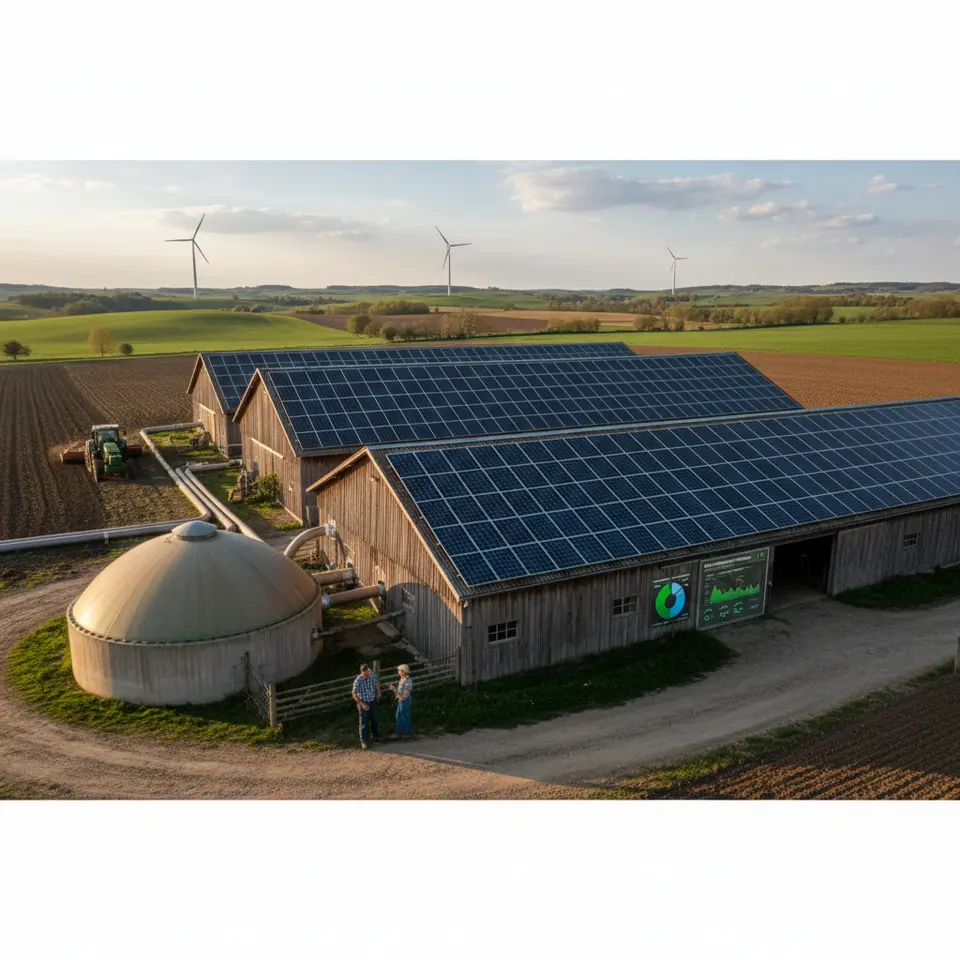
Transitioning to on-site renewable energy systems reduces operational emissions and stabilizes production costs. Solar photovoltaic arrays can drive irrigation pumps, lighting, and processing equipment, while small-scale wind turbines complement solar output during overcast or low-sun periods. Biogas digesters transform livestock manure and crop residues into methane for heat and electricity, with digestate serving as a nutrient-rich fertilizer.
Integrated Microgrids and Financial Incentives
Designing a hybrid microgrid—combining solar, wind, and biogas—ensures continuous power availability and resilience against grid outages. Grants, tax credits, and power purchase agreements (PPAs) further lower capital investment and accelerate return on investment. Many governments and agricultural extension programs offer incentives specifically for renewable installations on farms, recognizing their role in decarbonization and rural development.
Long-Term Benefits and Community Engagement
Adopting renewables generates cost savings on energy bills and can produce surplus power for sale back to the grid, creating an additional income stream. Engaging the local community through on-farm demonstrations and open days highlights your commitment to innovation and sustainability, fostering stronger consumer relationships and opening doors for collaborative research partnerships with institutions such as UC Davis and other agritech hubs.
Frequently Asked Questions
Q: What is regenerative agriculture and why is it important? A: Regenerative agriculture encompasses farming practices that restore soil health, enhance biodiversity, and sequester carbon, leading to resilient and productive systems.
Q: How do polycultures benefit pest management? A: Polycultures disrupt pest life cycles by increasing biodiversity; trap crops and flowering species attract beneficial insects, reducing reliance on chemical pesticides.
Q: Can agroforestry adapt to small-scale farms? A: Yes. Techniques like alley cropping and silvopasture can be tailored to farm size, offering shade, wind protection, and diversified income streams for operations of any scale.
Q: What role does technology play in precision irrigation? A: Soil moisture sensors, weather stations, and automation platforms enable targeted water delivery, minimizing waste and ensuring optimal plant hydration even under variable conditions.
Conclusion
Embracing these next-generation strategies equips farms to navigate the uncertainties of today’s climate and market dynamics. By regenerating soil health, diversifying crop systems, integrating trees, optimizing water use, and tapping renewable energy, producers can achieve both ecological harmony and economic resilience. In today’s digital landscape, data-driven decision-making and innovative tools amplify these efforts, making sustainable farming an achievable goal for operations of all scales. As you implement these practices this year (2026), remember that the path to long-term viability is paved by incremental improvements and community collaboration. Together, we can cultivate a food system that nourishes current populations while preserving the planet for future generations.
