
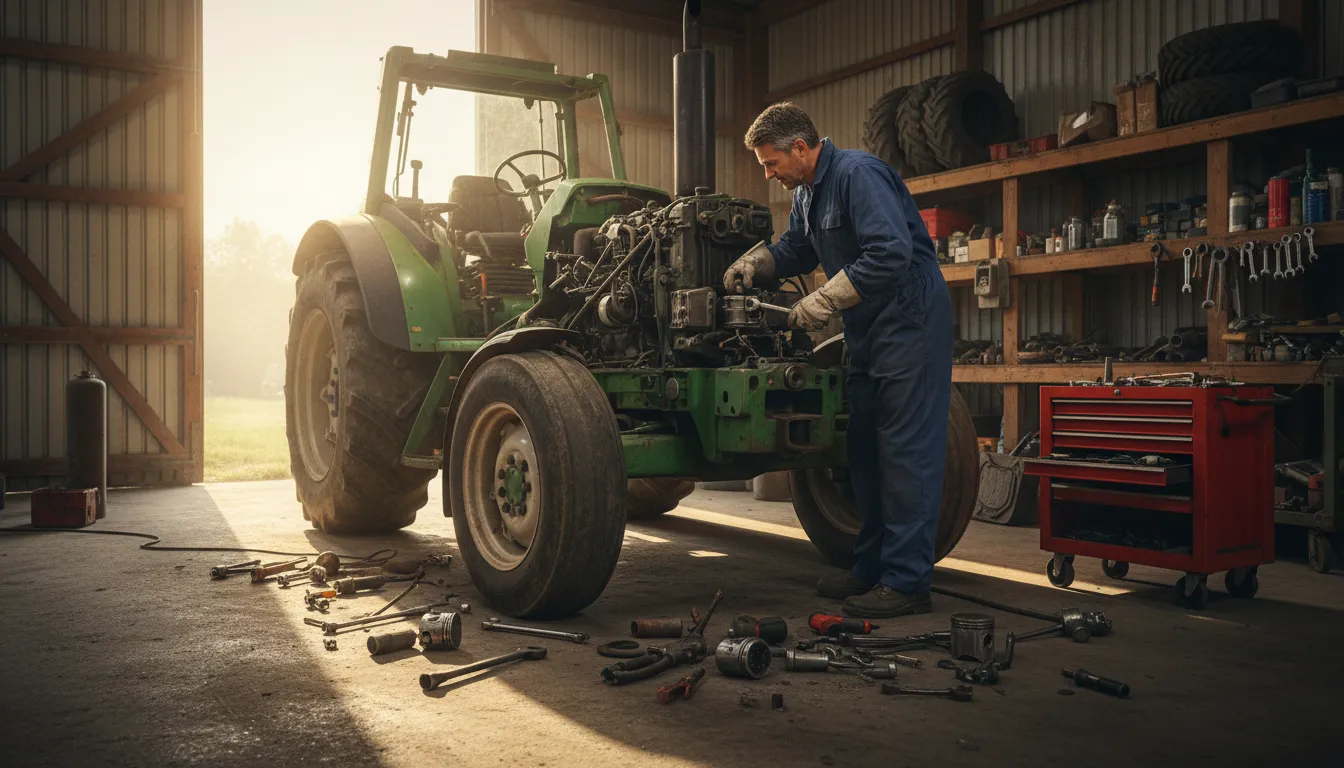
Mastering agriculture equipment repair prevents costly downtime. By bringing calm and focus to mechanical education, farmers can transform chaotic breakdowns into manageable, structured learning experiences.
This comprehensive guide explores how structured education in agriculture equipment repair empowers farmers. We cover essential maintenance strategies, diagnostic tools, expert tips, and common mistakes. Learn to cultivate focus, extend machinery lifespans, and maintain operational calm during critical harvest seasons.
Why Agriculture Equipment Repair Requires Educational Focus
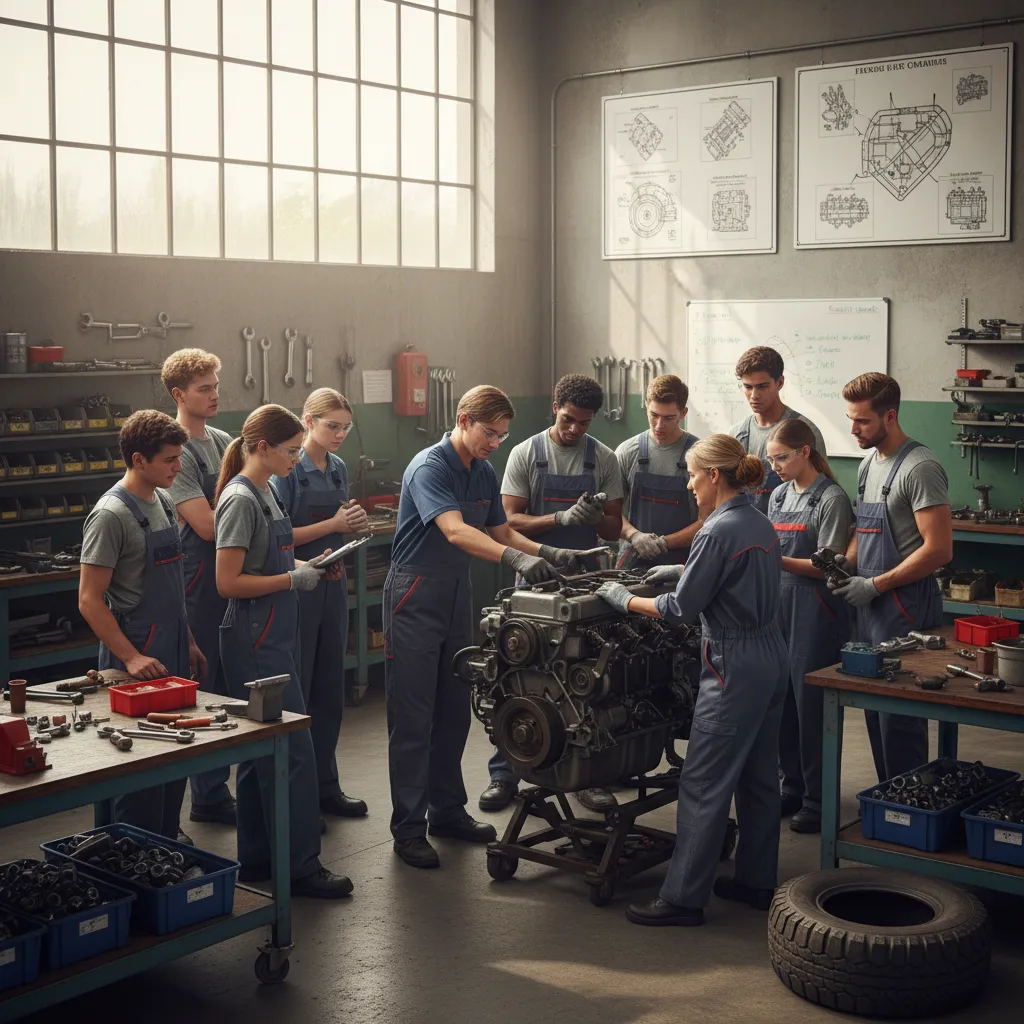
Modern farming relies heavily on complex machinery. When a combine harvester or compact tractor breaks down in the middle of a critical planting window, panic often ensues. However, approaching agriculture equipment repair through a lens of education and structured learning transforms this chaotic experience. By emphasizing calm and focus, farmers and technicians can systematically diagnose problems, implement solutions, and prevent future mechanical failures.
Understanding the intricacies of farm machinery requires continuous learning. As technology evolves, so must the operator’s knowledge base. Cultivating a calm mindset allows individuals to absorb complex mechanical concepts, from reading hydraulic schematics to understanding diesel engine compression. This educational approach to agriculture equipment repair not only saves money but also dramatically improves workplace safety.
The Psychology of Mechanical Troubleshooting
Fixing a broken machine is as much a mental exercise as a physical one. When an engine stalls, the initial reaction is often frustration. By applying educational frameworks to agriculture equipment repair, we train the brain to pause, focus, and analyze. Mechanical troubleshooting requires breaking down a large, overwhelming problem into small, manageable steps.
This methodical, calm approach is the foundation of vocational agriculture training. Instructors teach students to breathe, consult the manual, and systematically check air, fuel, and spark. When operators maintain focus, they avoid hasty decisions that could exacerbate the damage or lead to physical injury.
Building a Culture of Preventative Maintenance
Education in agriculture equipment repair goes beyond fixing what is broken; it involves anticipating needs before they arise. Preventative maintenance is the cornerstone of a successful farming operation. By educating farm hands on the importance of routine checks, you create an environment of operational calm.
When everyone on the farm understands the “why” behind daily lubrication and fluid checks, compliance increases. Education demystifies the machinery. It shifts the farm’s culture from reactive firefighting to proactive management. This focus on preventative care ensures that agriculture equipment repair becomes a scheduled event rather than an emergency crisis.
Essential Strategies for Farm Machinery Upkeep
Achieving mastery in agriculture equipment repair requires a solid grasp of fundamental strategies. The best operators treat their machinery with the same care and focus as they do their crops.
Daily Inspection Routines
The most effective agriculture equipment repair strategy is the one that happens before the key is turned. Implement a strict, focused daily inspection routine. Walk around the machine, checking tire pressure, inspecting the 3-point hitch, and looking for visible leaks. This simple educational practice trains the eye to spot anomalies.
Look closely at the belts and hoses. Are there signs of cracking or fraying? By identifying these issues early in a calm environment, you avoid catastrophic failures in the field. Documenting these daily checks in a logbook helps organize maintenance records and provides a valuable history for future agriculture equipment repair needs.
Managing Hydraulic Fluid Levels and Lubrication
Hydraulic systems are the lifeblood of heavy farm machinery. Proper agriculture equipment repair heavily involves maintaining these systems. Teach your team the precise locations of all grease zerks and the correct lubrication schedules for each implement.
Low hydraulic fluid can cause severe damage to pumps and cylinders. Focus carefully on the fluid’s color and consistency. If the oil appears milky, moisture has contaminated the system, requiring immediate agriculture equipment repair. Regularly greasing moving parts prevents metal-on-metal friction, ensuring the longevity of bearings and joints. For a deep dive into hydraulic systems, the National Institute of Food and Agriculture provides excellent educational resources on agricultural engineering.
Integrating Technology and Education in Farming

The landscape of agriculture equipment repair has shifted dramatically with the introduction of digital technology. Tractors now feature complex electronic control units (ECUs) and precision farming sensors. Education must keep pace with these advancements.
Bringing focus to software diagnostics is just as important as turning a wrench. Farmers must educate themselves on how to read fault codes and update firmware. This intersection of digital literacy and agriculture equipment repair proves that modern farming requires a continuous, focused commitment to learning.
Utilizing Telematics for Predictive Repair
Telematics systems allow machinery to communicate its health status to a central dashboard. This technology revolutionizes agriculture equipment repair by enabling predictive maintenance. Instead of waiting for a part to break, the system alerts the operator that a component is operating outside normal parameters.
Educating your team on how to interpret this data brings immense calm to farm management. You can schedule an agriculture equipment repair during a rainy day, rather than suffering a breakdown during peak harvest. This focused use of data maximizes uptime and profitability.
Top Diagnostic Tools for Agriculture Equipment Repair
To perform agriculture equipment repair effectively, you need the right tools. Equipping your farm shop with high-quality diagnostic gear ensures you can approach problems with focus and precision.
|
Tool Category |
Primary Function |
Educational Value for Operators |
|---|---|---|
|
OBD2 Scanners for Ag |
Reads engine and transmission fault codes |
Teaches digital diagnostic literacy |
|
Multimeters |
Tests electrical circuits and battery voltage |
Builds understanding of complex wiring |
|
Hydraulic Pressure Gauges |
Measures fluid flow and system strength |
Demonstrates hydraulic power principles |
|
Infrared Thermometers |
Identifies overheating bearings and belts |
Trains operators to spot friction issues |
|
Oil Analysis Kits |
Tests for microscopic engine wear |
Educates on internal fluid health |
Having these tools available transforms your equipment shed into a classroom. When a fault occurs, operators can use these instruments to pinpoint the exact issue, ensuring the agriculture equipment repair is executed flawlessly.
Case Study: Vocational Agriculture and Calm Problem Solving
Consider the story of a regional farming cooperative that partnered with a local community college to improve their agriculture equipment repair processes. Historically, the cooperative suffered massive financial losses due to rushed, improper fixes during the harvest season.
The college introduced a focused educational curriculum centered on farm machinery upkeep. The curriculum emphasized a calm, step-by-step diagnostic approach. Students learned to read schematics before touching any tools. They practiced agriculture equipment repair in a controlled environment, simulating high-stress breakdowns.
The results were transformative. When these educated students entered the workforce, they brought a sense of calm to the cooperative. Instead of randomly replacing parts, they used diagnostic tools to find the root cause. The cooperative saw a forty percent reduction in agriculture equipment repair costs and a massive increase in overall machine uptime. This case study highlights the undeniable power of combining education, focus, and practical mechanics.
Common Mistakes to Avoid
Even seasoned operators can fall into bad habits. Approaching agriculture equipment repair with a calm, educational focus helps mitigate these frequent errors.
- Ignoring the Operator’s Manual: The manual is the ultimate educational textbook for your machine. Skipping it leads to improper fluid usage and incorrect torque specs. Always consult the manual before beginning any agriculture equipment repair.
- Using Incorrect Replacement Parts: It is tempting to use generic parts to save money. However, using parts not specified by the manufacturer often leads to secondary failures. Maintain focus on quality to ensure longevity.
- Neglecting Safety Protocols: Rushing an agriculture equipment repair often means skipping safety steps. Never work under an unsupported hydraulic load. Bypassing safety switches is incredibly dangerous. Always prioritize education on farm safety guidelines to protect yourself and your team.
- Over-Greasing Bearings: While lubrication is vital, applying too much grease blows out the seals, allowing dirt to enter the bearing housing. Focus on applying the exact recommended amount.
- Failing to Clean Before Repairing: Dirt and debris are the enemies of internal engine components. A common mistake in agriculture equipment repair is opening a hydraulic line or fuel filter housing without cleaning the surrounding area first, allowing contaminants into the system.
Pro Tips and Expert Insights
To master agriculture equipment repair, you must adopt the habits of professional mechanics. These expert insights will help you maintain focus and elevate your maintenance program.
Implement a Seasonal Maintenance Calendar
Do not rely on memory. Create a highly visible, educational calendar detailing every agriculture equipment repair and maintenance task required for the year. This proactive focus ensures that winterization, spring commissioning, and mid-season oil changes happen exactly when they should.
Invest in Quality Lighting and Shop Organization
You cannot focus in a dark, messy environment. Transform your workspace by installing bright LED lighting and organizing tools systematically. A clean shop fosters a calm mind, making complex agriculture equipment repair much less frustrating.
Take Oil Samples Regularly
Expert mechanics rely heavily on oil analysis. By sending engine, transmission, and hydraulic oil samples to a lab, you gain microscopic insight into your machine’s health. This focused, educational approach to agriculture equipment repair allows you to see bearing wear or coolant leaks long before they cause a catastrophic failure. Check out resources from the Association of Equipment Manufacturers for advanced machinery insights.
Create a Clean Environment for Fuel Systems
Modern diesel engines utilize high-pressure common rail (HPCR) fuel systems. These systems are incredibly sensitive to microscopic dirt. When performing agriculture equipment repair on fuel systems, maintain surgical cleanliness. Education on proper fuel handling prevents thousands of dollars in injector damage.
Label and Photograph During Disassembly
When tackling a complex agriculture equipment repair, do not rely solely on your memory to reassemble components. Bring focus to the task by using your smartphone to take photos at every step. Label wires and hoses with masking tape. This methodical, educational practice ensures calm, accurate reassembly.
The Financial Impact of Educated Maintenance

Understanding the financial side of agriculture equipment repair is just as important as turning the wrench. When operators approach maintenance with an educated, focused mindset, the farm’s bottom line improves significantly.
Poorly maintained machinery consumes more fuel, operates less efficiently, and requires premature replacement. By integrating comprehensive agriculture equipment repair education into your business model, you protect your capital investments. A well-maintained tractor retains its resale value and performs reliably when you need it most.
Budgeting for Breakdowns
Financial calmness comes from preparation. Smart farm managers allocate specific funds for agriculture equipment repair before the season begins. By analyzing historical repair data, you can educate yourself on expected annual costs.
Set aside a dedicated equipment repair budget that covers both routine preventative maintenance and unexpected major overhauls. This financial focus ensures that when a breakdown does occur, you can address the agriculture equipment repair immediately without stressing about cash flow.
Transforming the Next Generation of Farmers
The future of agriculture relies on passing down knowledge. Teaching the next generation about agriculture equipment repair requires patience, focus, and a commitment to education. We must shift the narrative from seeing maintenance as a dirty chore to viewing it as a highly skilled, respected profession.
Encourage young farmers to enroll in technical courses focused on tractor diagnostics and precision agriculture. By fostering an educational environment that celebrates mechanical proficiency, we ensure that farms remain productive and efficient for decades to come. When we teach agriculture equipment repair with calm and focus, we empower operators to take true ownership of their machinery.
As technology continues to advance, the fundamentals of mechanical education remain the same. The ability to observe, analyze, and repair is a timeless skill. Embrace this educational journey, and let a focused approach to agriculture equipment repair transform your entire agricultural enterprise.
Mastering agriculture equipment repair requires ongoing education, profound focus, and a perfectly calm mindset. By implementing structured maintenance strategies, you actively protect your investments and improve daily farm efficiency. Embrace these practical methods today to ensure your machinery performs flawlessly season after season. Start transforming your agricultural operations right now!
FAQs
What is the most important aspect of agriculture equipment repair?
The most critical aspect is preventative maintenance. By utilizing a focused, educational approach to daily inspections and routine servicing, you can identify minor wear and tear before it escalates into a catastrophic, expensive failure.
How does education improve agriculture equipment repair?
Education teaches operators to approach problems with calm and focus. Instead of guessing, educated operators use diagnostic tools and schematic reading to systematically troubleshoot, resulting in faster, safer, and more accurate repairs.
Why is hydraulic fluid maintenance so crucial?
Hydraulic systems power the heavy lifting of farm machinery. Contaminated or low fluid causes severe friction and heat, destroying expensive pumps and cylinders. Educated agriculture equipment repair involves rigorous monitoring of fluid purity and pressure.
What should I include in my daily tractor inspection?
A focused daily inspection should include checking engine oil, hydraulic fluid, coolant levels, tire pressure, and belt tension. Additionally, inspect all grease points and look for visual signs of leaks or loose hardware.
How can I maintain focus during a stressful machinery breakdown?
Cultivate a calm mindset by stepping back, taking a breath, and consulting the operator’s manual. Follow a structured, step-by-step diagnostic checklist rather than jumping to conclusions. This educational approach mitigates panic and mistakes.
Are aftermarket parts safe for agriculture equipment repair?
While aftermarket parts can save money, they must meet the exact specifications of the original equipment manufacturer. Focus on quality; using inferior parts often leads to premature failure and more extensive agriculture equipment repair down the line.
What role does technology play in modern farm maintenance?
Technology, such as telematics and OBD2 scanners, provides real-time data on machine health. Educating yourself on these digital tools allows for predictive agriculture equipment repair, catching anomalies before physical breakdowns occur.
How often should I grease the moving parts on my farm implements?
Lubrication schedules vary by machine and usage intensity. Consult your manual for exact intervals. However, parts exposed to heavy dirt and continuous movement often require daily greasing during peak operational seasons.
Why is cleaning machinery before performing repairs necessary?
Dirt and agricultural debris can easily fall into open engines or hydraulic systems during an agriculture equipment repair. Focused, thorough cleaning of the repair area prevents abrasive contaminants from destroying sensitive internal components.
How do I budget effectively for agriculture equipment repair?
Review your past maintenance records to determine an average annual cost. Set aside a dedicated fund that covers routine preventative care and provides a financial cushion for unexpected major breakdowns, ensuring financial calm.
