
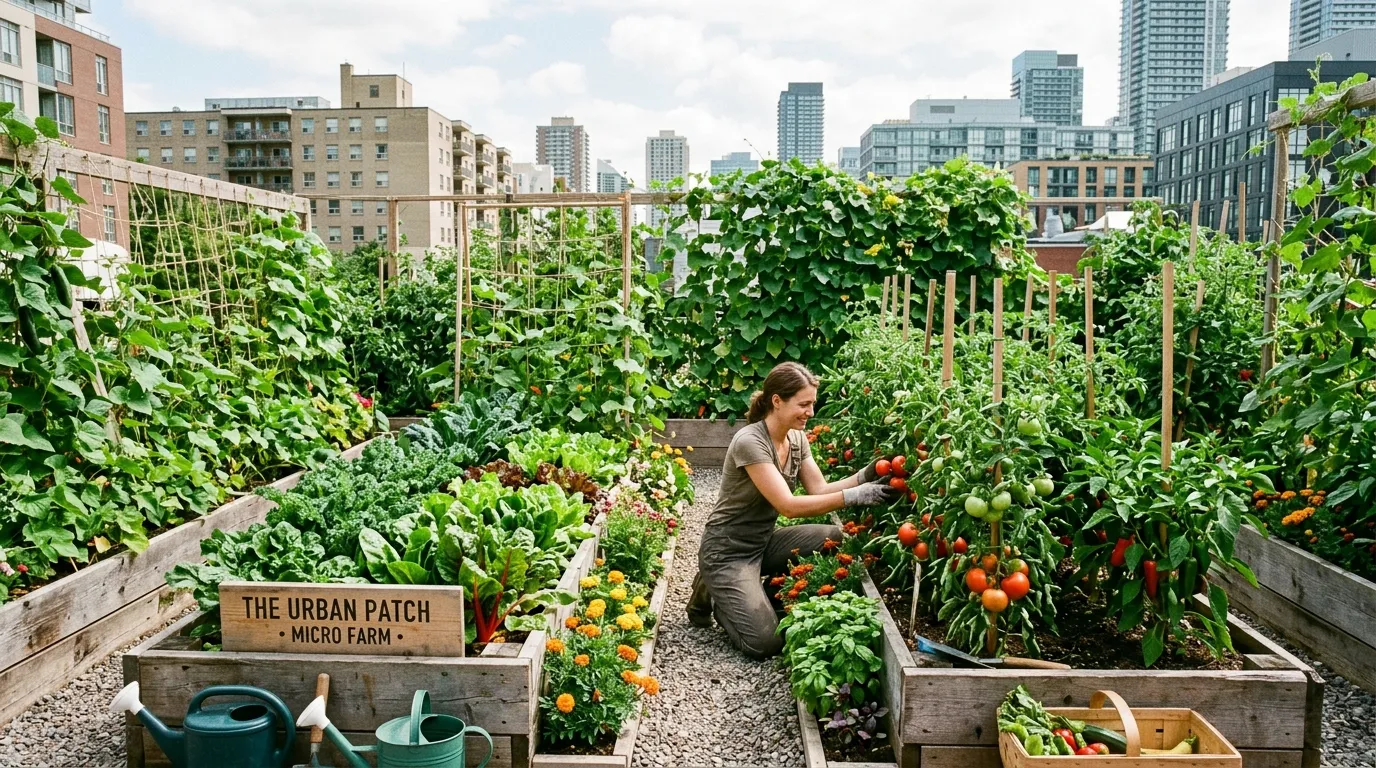
Bringing micro farming into modern classrooms offers students an incredible opportunity to learn biology while practicing mindfulness, ultimately transforming chaotic spaces into environments of calm.
This comprehensive guide explores how integrating small-scale agriculture into educational settings enhances student well-being, boosts focus, and teaches essential scientific concepts. Discover practical setup strategies, the psychological benefits of hands-on learning, and step-by-step methods to cultivate a peaceful, productive classroom environment today.
The Psychological Power of Botanical Education
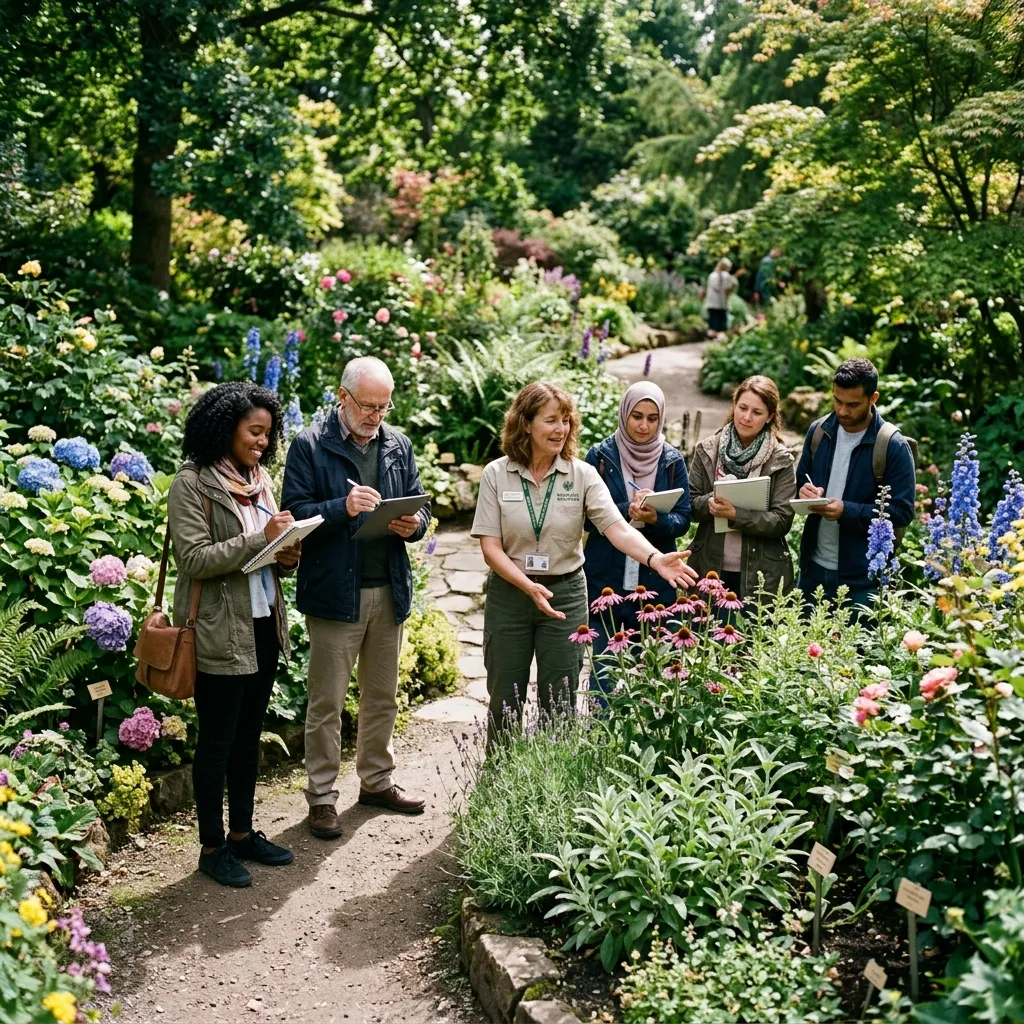
The modern classroom is often a fast-moving, highly stimulated environment. Students are bombarded with digital information, standardized testing pressures, and complex social dynamics. In this setting, finding ways to ground students and bring them back to a state of equilibrium is a major challenge for educators. This is where the practice of micro farming steps in as a revolutionary tool. By asking students to step away from their screens and interact with the physical world, teachers provide a natural pressure valve for academic anxiety.
The tactile experience of handling seeds, preparing growing mediums, and monitoring water levels requires a specific type of sustained attention. This is not the rapid-fire attention used when playing a video game or scrolling through a tablet; it is a slow, methodical focus that builds cognitive endurance. When a student engages in micro farming, they are learning how to wait. They plant a seed and must wait days for it to sprout. This delayed gratification is a crucial developmental milestone that many modern technologies bypass entirely.
Research published by authoritative psychological institutions highlights the profound impact that nature and natural processes have on the developing human brain. The simple act of observing a green plant grow can lower cortisol levels, reduce the physical symptoms of stress, and promote an overall sense of well-being. By integrating micro farming directly into the learning space, educators ensure that this natural stress relief is available on a daily basis, not just during rare field trips.
Why Traditional School Gardens Often Fall Short
For decades, the concept of a school garden has been championed as the ultimate way to connect children with nature. However, traditional outdoor school gardens come with a host of logistical challenges that make them difficult to maintain. They require significant outdoor space, which many urban schools simply do not possess. They are entirely dependent on the weather, meaning that the prime growing season often falls during the summer months when students are not even in school. Furthermore, they require extensive physical labor, pest management, and soil remediation.
In contrast, micro farming solves almost all of these logistical hurdles. It brings the agricultural experience indoors, placing it directly under the control of the educator and the students. Because it utilizes controlled environments—often with specialized lighting and targeted nutrient delivery—it can be practiced year-round. A blizzard or a heatwave outside has zero impact on a carefully maintained indoor micro farming station. This reliability ensures that the educational curriculum built around the plants is never interrupted by unpredictable weather patterns.
Integrating Agriculture Across the Curriculum
One of the greatest strengths of micro farming is its sheer versatility as a teaching tool. It is not limited to biology or environmental science; it can be woven seamlessly into almost every subject area.
Mathematics and Data Tracking
Students can use their indoor crops to practice applied mathematics. They can measure the daily growth of stems in millimeters, calculate the volume of water needed for a specific number of trays, and graph the germination rates of different seed varieties. These real-world applications of math make abstract concepts tangible and meaningful.
Language Arts and Journaling
Maintaining a daily or weekly observation journal is a core component of a successful micro farming project. Students practice descriptive writing by detailing the subtle changes in leaf color, root structure, and overall plant health. They can write instructional guides for younger students on how to care for the plants, thereby practicing expository writing.
Art and Visual Representation
The visual appeal of growing plants offers endless opportunities for artistic expression. Students can sketch the life cycle of a seed, study the geometric patterns of leaves, or create time-lapse photography projects to document the growth of their micro farming harvest.
The Biology of Growth: What Students Actually Learn
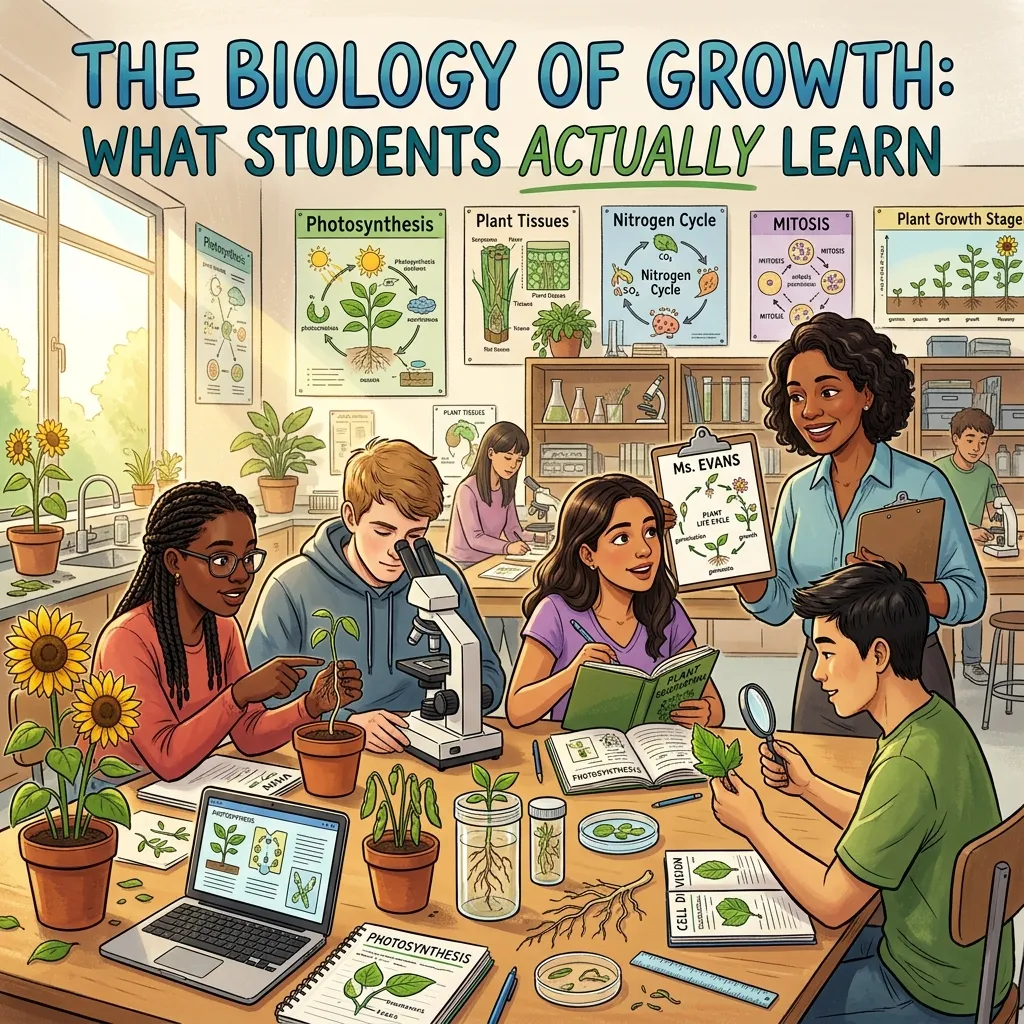
When a student participates in micro farming, they are witnessing biology in its purest form. They learn that a seed is a self-contained life support system, carrying all the energy required to initiate growth. By manipulating variables such as light intensity, water pH, and ambient temperature, students learn the scientific method firsthand. They hypothesize about what will happen if one tray receives less light than another, run the experiment, and observe the results.
This hands-on methodology demystifies complex biological processes like photosynthesis, cellular respiration, and transpiration. Instead of reading about these concepts in a textbook, students watch them happen. They see condensation form on the inside of a humidity dome and understand the water cycle. They witness a plant leaning toward a light source and grasp the concept of phototropism.
Essential Setup Strategies for Classroom Success
Implementing a successful micro farming program requires careful planning and the right equipment. Fortunately, the barrier to entry is quite low, and setups can be scaled to fit almost any budget.
First, determine the location. The ideal spot is easily accessible to students but safe from accidental bumps and spills. While natural window light is helpful, investing in a basic LED grow light ensures that your micro farming project will succeed regardless of the season or the architectural limitations of your building.
Second, select the right growing medium. For indoor environments, standard potting soil is often too heavy and can harbor unwanted pests like fungus gnats. Instead, opt for sterile, lightweight mediums such as coconut coir, perlite, or specialized hydroponic mats. These materials provide excellent aeration for delicate roots while holding the perfect amount of moisture.
Third, choose crops that offer a fast turnaround. Radishes, peas, sunflowers, and specific varieties of lettuce are excellent choices for micro farming. They germinate in a matter of days and are ready to harvest in just a few weeks. This rapid lifecycle keeps students engaged and prevents the project from losing momentum.
Comparison Table: Educational Growing Methods
|
Feature |
Outdoor School Garden |
Window Sill Pots |
Indoor Micro Farming |
|---|---|---|---|
|
Space Required |
Large outdoor area |
Moderate window space |
Minimal (shelving unit) |
|
Climate Dependency |
High (seasonal only) |
Moderate (sunlight reliant) |
Zero (completely controlled) |
|
Student Engagement |
Weekly/Monthly |
Intermittent |
Daily hands-on tasks |
|
Growth Speed |
Slow (months) |
Moderate |
Very Fast (days to weeks) |
|
Curriculum Integration |
Difficult to standardize |
Variable |
Highly consistent |
Fostering Responsibility and Teamwork
A micro farming station is a shared ecosystem. Its survival depends entirely on the collective effort of the classroom. This creates a natural environment for teaching responsibility and teamwork. By assigning specific roles—such as the “Water Monitor,” the “Light Technician,” and the “Data Analyst”—educators give students a sense of ownership over the project.
When a crop thrives, the entire class shares in the success. When a crop fails (which is a valuable learning experience in itself), the class must work together to diagnose the problem and implement a solution for the next round. This collaborative problem-solving builds emotional resilience and teaches students how to handle setbacks gracefully.
Common Mistakes to Avoid
Even the most enthusiastic educators can run into trouble when launching a micro farming initiative. Avoid these common pitfalls to ensure your classroom project thrives:
Overwatering the Trays: This is by far the most frequent issue. Students love to water plants, but too much moisture suffocates roots and leads to mold. Teach students to check the weight of the tray or the dampness of the medium before adding water.
Inadequate Lighting: Once seeds germinate, they need strong, direct light. If your micro farming setup relies on a dim classroom window, the plants will become weak, pale, and spindly. Use proper grow lights positioned close to the canopy.
Ignoring Airflow: Plants need fresh air to grow strong stems and prevent fungal diseases. A small, gentle oscillating fan placed near the micro farming station can make a massive difference in crop health.
Overcrowding Seeds: Sowing too many seeds in one area creates intense competition for light and nutrients. Follow standard seeding density guidelines to ensure each plant has room to breathe.
Pro Tips for Advanced Classroom Agriculture
To elevate your micro farming curriculum from a simple side project to a cornerstone of your educational strategy, consider these advanced techniques:
Implement Blind Trials: Give groups of students different, unlabelled seeds and have them use their observation skills to identify the plant as it grows based on leaf shape and growth habit.
Harvest and Taste: Whenever safe and permissible, allow students to eat what they grow. Tasting a spicy radish sprout they cultivated themselves creates a powerful, unforgettable connection to their food.
Community Outreach: Partner with a local food bank or culinary program. Donating the harvest from your micro farming efforts teaches students about civic duty and food security.
The Future of Agricultural Education
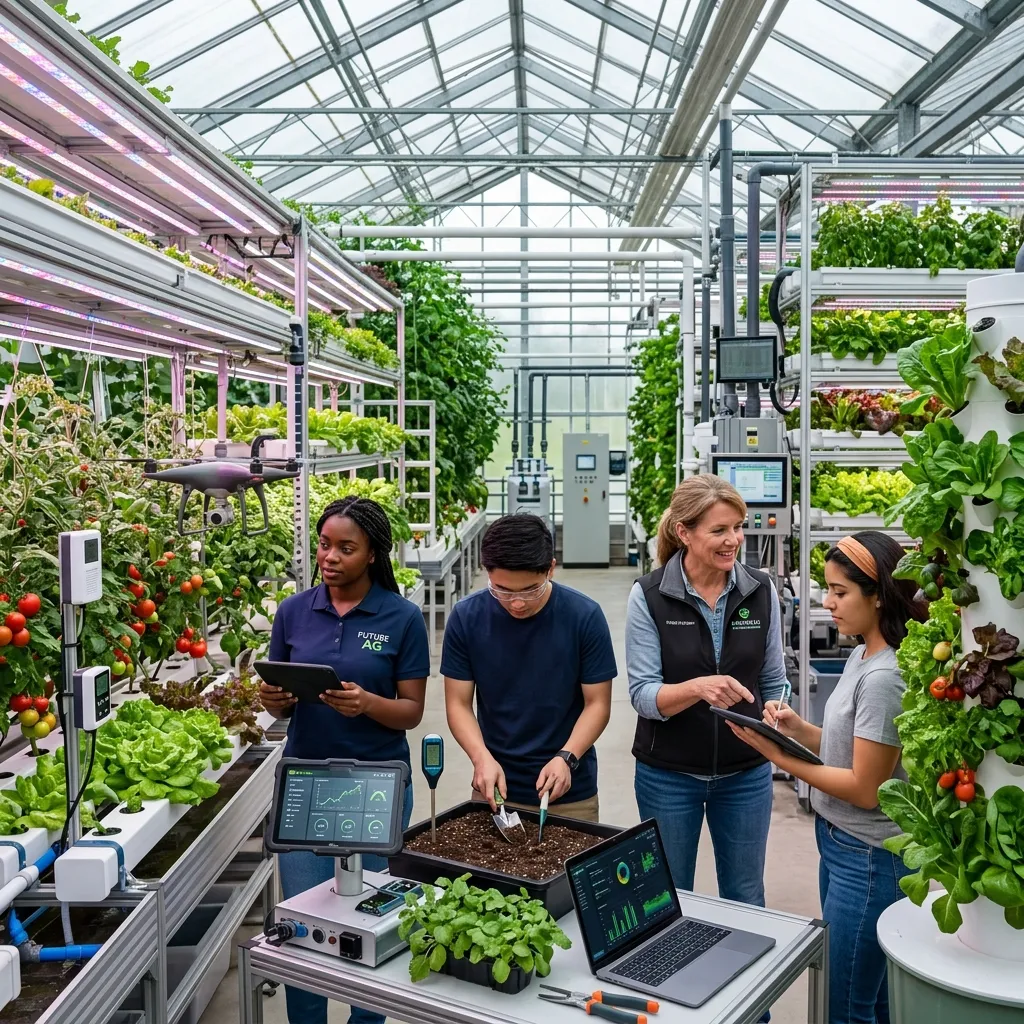
As we look toward a future defined by climate challenges and urban expansion, teaching the next generation how to produce food sustainably is no longer optional; it is imperative. Micro farming provides a scalable, accessible, and deeply engaging way to introduce these concepts early in life.
By scaling down the physical size of the farm, we ironically scale up its educational impact. We bring the miracle of growth out of the distant fields and place it directly on the student’s desk. In doing so, we cultivate not just plants, but curious, patient, and scientifically literate minds.
The calm focus that descends over a classroom when students are meticulously tending to their micro farming trays is a testament to the power of hands-on, nature-based learning. It is a quiet revolution in education, one tiny seed at a time.
Conclusion
Integrating micro farming into your daily curriculum does more than teach basic biology; it nurtures patient, highly focused, and emotionally grounded students. By transforming your classroom into a living laboratory, you empower the next generation to succeed. Ready to cultivate lasting change? Start planning your educational garden setup today.
Frequently Asked Questions
1. What exactly is micro farming in an educational context?
In schools, micro farming refers to the practice of growing small-scale, fast-yielding crops like microgreens or herbs indoors using controlled environments, allowing students to study plant biology and agriculture year-round.
2. How much space is required to start this in a classroom?
Very little space is needed. A standard micro farming setup can easily fit on a single bookshelf, a dedicated rolling cart, or a small table in the corner of the room.
3. Is it expensive to set up a classroom farm?
No, it can be very affordable. Basic kits with reusable trays, some sterile growing medium, seeds, and a simple LED grow light can be purchased for under fifty dollars.
4. How does this practice improve student focus?
Micro farming requires gentle, precise movements and daily observation. This tactile, slow-paced interaction acts as a mindfulness exercise, helping lower student anxiety and increasing their ability to sustain attention.
5. What are the best seeds to use for beginners?
Radishes, peas, sunflowers, and broccoli are fantastic starter crops. They germinate rapidly and have very high success rates, providing quick visual rewards for impatient learners.
6. Do we need to use chemical fertilizers?
Absolutely not. Most short-cycle micro farming crops contain all the necessary energy within the seed itself. If nutrients are needed for longer-growing plants, organic liquid kelp or compost tea works perfectly.
7. What happens over the weekend or during school holidays?
For standard two-day weekends, most setups will be fine if watered thoroughly on Friday. For longer holidays, automation tools like timer-controlled lights and basic capillary watering mats can easily sustain the micro farming system.
8. Is indoor farming safe for students with allergies?
Generally, yes. Because it uses sterile, soil-less mediums, it eliminates many outdoor allergens and soil-borne pathogens. However, always check for specific plant or seed allergies before beginning.
9. How do we prevent mold from growing on the soil?
Mold is usually caused by overwatering, poor drainage, or a lack of airflow. Ensure your micro farming trays have drainage holes, avoid soaking the medium, and use a small fan to keep air circulating.
10. Can this be integrated into high school curriculums?
Yes. While younger students focus on basic plant life cycles, high school students can use micro farming to study complex genetics, advanced hydroponic chemistry, and sustainable agricultural economics.
