
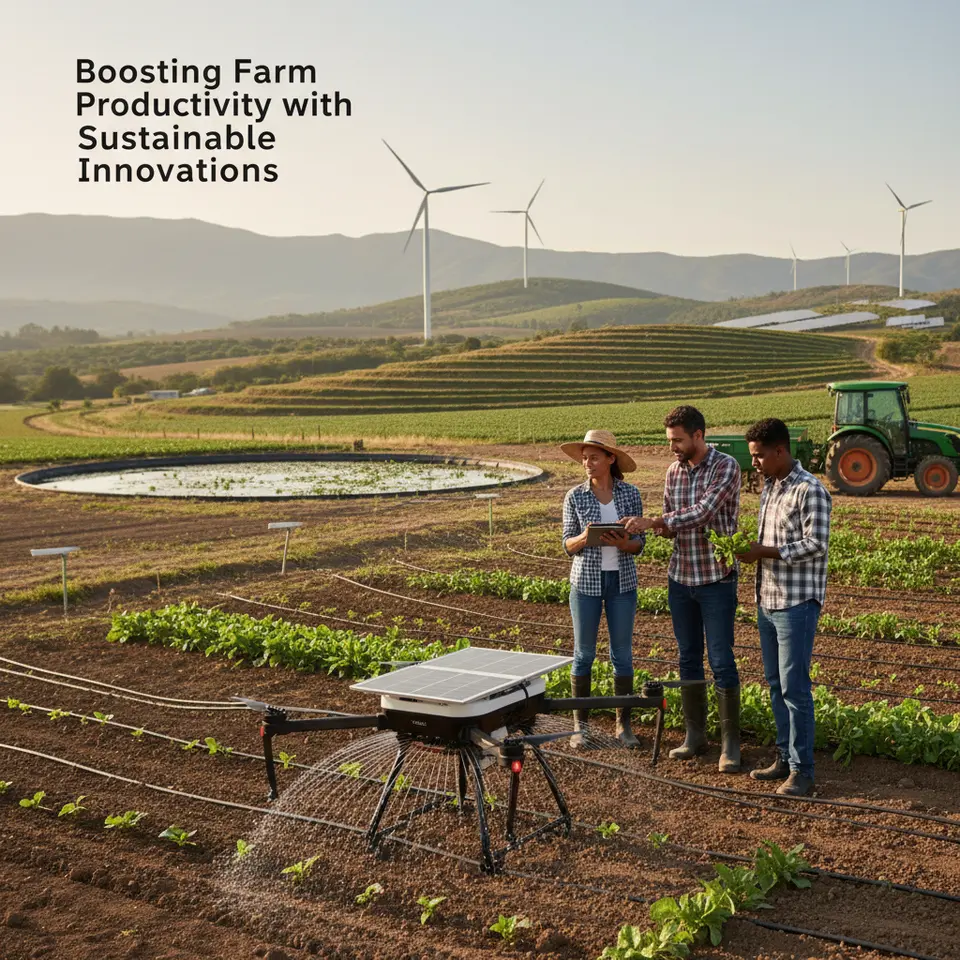
Discover how blending agricultural environments with learning improves farm productivity, offering students a unique path to transforming education through calm and sustained focus.
This comprehensive guide explores the powerful intersection of agricultural settings and academic growth. We analyze how cultivating focused, stress-free environments not only enhances educational outcomes but ultimately drives future farm productivity. Learn actionable strategies, review comparative data, and discover expert insights for optimizing learning.
The Intersection of Agriculture and Cognitive Focus
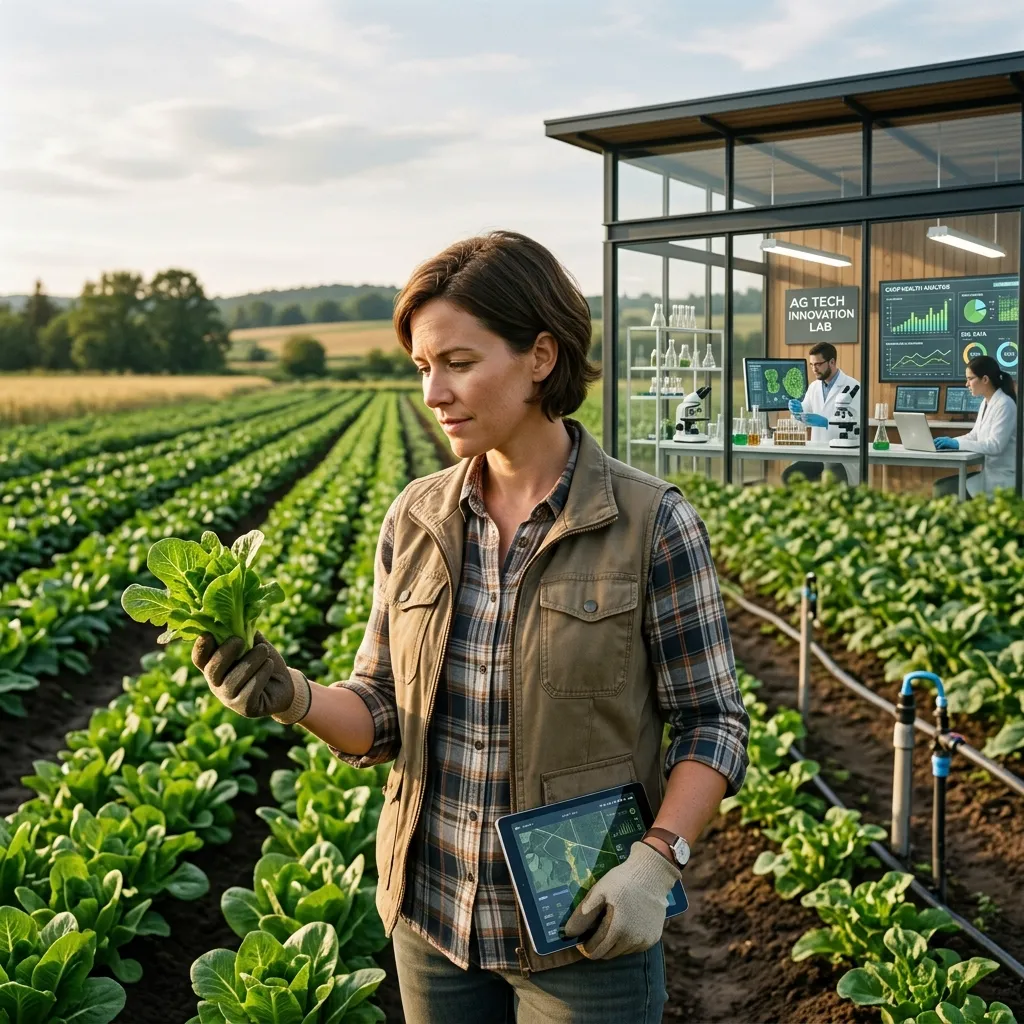
When we think about enhancing farm productivity, we often focus exclusively on soil health, machinery, and crop yields. However, a revolutionary approach is emerging that links agricultural success with educational methodology. By utilizing the calm, rhythmic nature of agricultural spaces, educators can transform how students process information, retain knowledge, and develop essential life skills.
This approach shifts the paradigm from rigid indoor classrooms to dynamic outdoor settings. Nature inherently provides a sensory-rich but non-distracting environment. This setting allows the human brain to relax, reducing the cortisol levels associated with anxiety and stress. When students feel calm, their executive functioning improves, paving the way for deeper concentration and better problem-solving skills. Ultimately, these educated, well-balanced individuals return to the agricultural sector, significantly boosting farm productivity through innovative thinking and steady, focused effort.
By integrating concepts of sustainable agriculture education into daily curriculums, schools can foster a sense of responsibility and patience. Students learn that growth—whether it is a seedling or a new mathematical concept—takes time, care, and consistent attention.
How Calm Environments Foster Educational Growth
Modern education often battles with digital distractions and high-stress testing environments. Students suffer from attention fatigue, making it difficult to absorb complex materials. The agricultural environment offers a direct antidote to this modern crisis.
When educators move learning to outdoor, farm-based settings, they tap into the psychological benefits of “soft fascination.” This psychological term describes the effortless attention nature commands, which allows the brain to restore its capacity for hard, directed focus. As students engage in hands-on tasks like planting, harvesting, or observing animal behavior, they naturally enter a state of mindfulness.
This mindful state directly translates to improved academic performance. Studies linked to Edutopia’s research on outdoor learning suggest that students who spend time in nature exhibit better memory retention and higher test scores. Furthermore, as these students mature and enter the workforce, their ability to maintain focus in chaotic situations directly influences long-term farm productivity. They learn to observe subtle changes in weather, soil, and crop health—skills that are indispensable for modern agricultural success.
The Role of Sensory Engagement
Sensory engagement plays a vital role in this educational transformation. The smell of fresh earth, the physical texture of leaves, and the sounds of wildlife create a multidimensional learning experience. Traditional classrooms rely heavily on visual and auditory learning, which can alienate kinesthetic learners. Farm-based education levels the playing field, offering multiple entry points for understanding complex biological and ecological systems.
The Foundations of Sustainable Farming
Balancing Environmental, Economic, and Social Goals
Sustainable farming rests on three interdependent pillars: environmental stewardship, economic viability, and social responsibility. By preserving soil health and biodiversity, agricultural lands remain productive in the long term. Combining crop rotations, cover cropping, and integrated pest management reduces reliance on synthetic inputs and fosters ecosystem services. Economically, lower chemical expenditures and efficient resource use translate to healthier profit margins. Socially, robust farming systems support rural communities by creating secure livelihoods, ensuring equitable access to land, and fostering knowledge-sharing networks.
Implementing Core Agroecological Practices
To lay the groundwork for sustainable farming, practitioners begin with soil-friendly techniques. Crop rotation disrupts pest cycles and balances nutrient demands. Cover crops, like clover or rye, suppress weeds, prevent erosion, and enhance organic matter when terminated. Organic amendments such as compost or well-managed manure improve structure and water-holding capacity. Encouraging beneficial insects through floral strips or habitat buffers strengthens natural pest control. These agroecological practices work in concert, creating self-regulating systems that build resilience against weather extremes and disease outbreaks.
Implementing Precision Agriculture Technologies
Harnessing Real-Time Data Collection
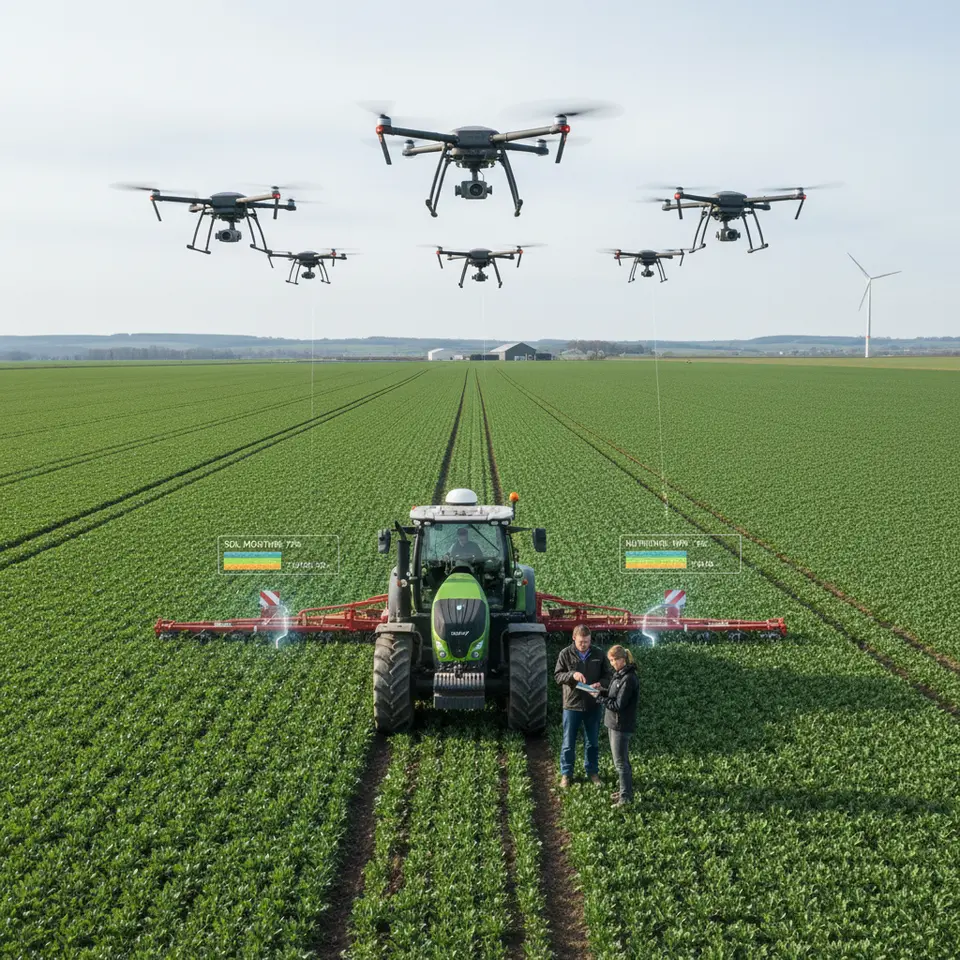
Precision agriculture empowers growers with detailed insights into field conditions, soil moisture, and crop health. IoT sensors buried in the soil measure water content and nutrient levels, while drones equipped with multispectral cameras detect stress before symptoms appear. GPS-enabled tractors map field variability, capturing yield data during harvest. By gathering this information in real time, farmers can tailor interventions precisely where and when they are needed, driving sustainable farming to new levels of efficiency.
Variable-Rate Application and Automated Systems
Variable-rate technology (VRT) integrates data from sensors and maps to adjust fertilizer, seed, and pesticide applications on the go. Instead of uniform blanket treatments, equipment calibrates flow rates per zone, optimizing resource use and reducing excess runoff. Automated irrigation controllers sync with soil moisture sensors and weather forecasts, activating drip lines or sprinklers only when necessary. Studies from institutions such as the University of California, Davis, demonstrate that VRT can reduce input costs by up to 30% while maintaining or improving yields. Adopting these tools not only boosts productivity but also mitigates the environmental footprint of agriculture.
Analyzing the Data: Technology Comparison
Choosing the right technology requires careful consideration of costs, benefits, and operational needs.
|
Technology Type |
Primary Benefit |
Implementation Cost |
Impact on farm productivity |
Training Required |
|---|---|---|---|---|
|
Automated Steering |
Reduces overlap and operator fatigue |
High |
Very High |
Moderate |
|
Soil Moisture Sensors |
Prevents over-watering and under-watering |
Low to Moderate |
High |
Low |
|
Multispectral Drones |
Early detection of crop stress and disease |
Moderate |
High |
High |
|
Farm Management Software |
Centralizes data for better decision-making |
Low (Subscription) |
Very High |
Moderate |
|
Yield Monitors |
Provides precise harvest data for future planning |
Moderate |
High |
Moderate |
Mastering Water Management
Water scarcity is one of the most pressing challenges in global agriculture. Educating your team on advanced water management techniques is non-negotiable for preserving resources and ensuring consistent crop growth.
Implementing drip irrigation systems delivers water directly to the plant’s root zone, virtually eliminating evaporation and runoff. When combined with soil moisture sensors, these systems can be automated to water only when the plants truly need it. This level of precise water management is a major driver of farm productivity, especially in arid regions. Furthermore, calm and focused monitoring of weather patterns and evapotranspiration rates allows managers to adjust irrigation schedules dynamically, ensuring that every drop of water is utilized to its maximum biological potential.
Pro Tips: Expert Insights for Modern Producers
To push your operation ahead of the curve, you must adopt the habits of highly successful managers.
- Embrace Task Batching: Group similar maintenance or field tasks together. If you are inspecting irrigation lines in the northern sector, conduct your pest scouting in that same area simultaneously. This reduces travel time and improves daily farm productivity.
- Prioritize Continuous Education: Set aside one hour a week for your team to learn about new precision agriculture trends or biological pest controls. Calm, structured learning environments build a highly competent workforce.
- Implement Biological Controls: Introduce beneficial insects to manage pest populations. This integrated pest management strategy reduces chemical costs and prevents pests from developing resistance to traditional sprays.
- Utilize Data Dashboards: Do not leave data sitting on a hard drive. Use software that visualizes your yield, input costs, and weather data in a single dashboard to make rapid, informed decisions.
Strengthening Soil Health for Optimal Yields
Minimizing Disturbance and Enhancing Structure
Healthy soil is the cornerstone of sustainable farming. No-till or reduced-till methods preserve soil aggregates and protect microbial communities essential for nutrient cycling. By leaving crop residues on the surface, erosion is curtailed and organic matter gradually accumulates. Beneficial organisms, from earthworms to mycorrhizal fungi, flourish in undisturbed soil, improving porosity and water infiltration. Over time, these biological processes foster robust root systems capable of accessing deeper moisture and nutrients, enhancing resilience against drought.
Leveraging Organic Amendments and Cover Cropping
Introducing organic matter through compost and green manures further elevates soil fertility. Cover crops such as legumes fix atmospheric nitrogen, reducing the need for synthetic fertilizers. Deep-rooted species, like daikon radish, break compaction layers and recycle subsoil nutrients to the surface. When terminated, cover crop residues feed soil organisms and gradually release nutrients during decomposition. Continuous monitoring of soil organic carbon, as recommended by the USDA Natural Resources Conservation Service, helps track progress and guide management decisions. Investing in long-term soil health pays dividends in yield stability and quality harvests.
Advancing Water Efficiency and Conservation Strategies
Optimizing Irrigation for Maximum Impact
Agriculture remains the largest consumer of freshwater globally, accounting for nearly 70% of withdrawals. Sustainable farming demands smarter water use through drip and micro-spray systems, which deliver water directly to root zones while minimizing evaporation. Soil moisture sensors integrated with automated controllers ensure irrigation events occur only when thresholds are met. Farmers can program systems to follow weather-driven schedules, preventing overwatering and nutrient leaching. Recent research highlights that precision irrigation can reduce water use by over 40% without sacrificing yield.
Harnessing Rainwater and Reusing Runoff
Complementing efficient irrigation, rainwater harvesting systems capture runoff from roofs and impermeable surfaces into storage tanks or ponds. This practice diversifies water sources and reduces reliance on groundwater. Constructed wetlands or vegetative swales treat farm runoff, filtering nutrients before returning water to fields or nearby waterways. Implementing these nature-based solutions strengthens farm resilience during dry spells—critical in regions experiencing variable rainfall this year (2026).
Harnessing Renewable Energy and Digital Tools on the Farm
Deploying Clean Energy Systems
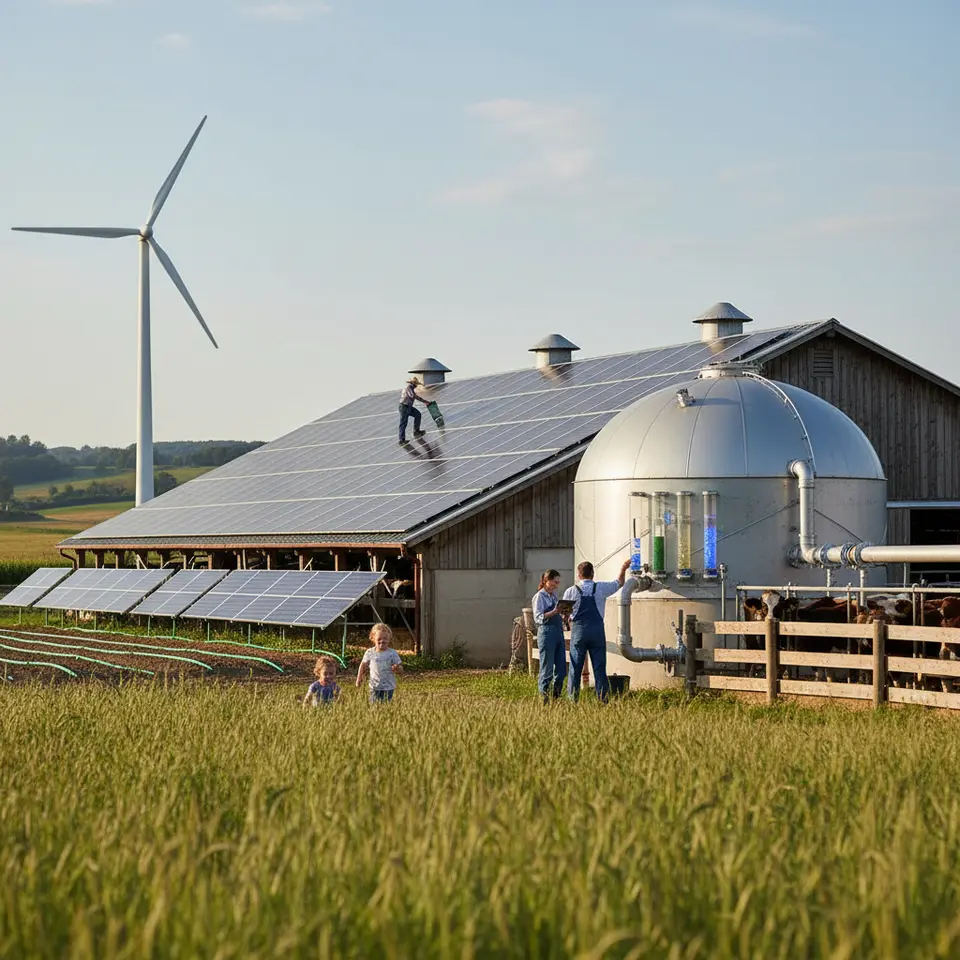
Generating on-site renewable energy drives down operational costs and cuts carbon emissions. Solar arrays mounted on barn roofs or above irrigation channels power pumps, lighting, and processing equipment. Small-scale wind turbines can complement solar during low-sun periods. Biogas digesters convert livestock manure into methane, providing heat or electricity while mitigating greenhouse gas emissions. Government incentive programs, such as those offered by USDA Rural Development, support the adoption of renewable installations and can significantly shorten payback periods.
Integrating Farm Management Software
In today’s digital landscape, farm management software centralizes data from machinery, sensors, and financial records into intuitive dashboards. Platforms provide predictive analytics for yield forecasting, input optimization, and risk assessment. Mobile apps facilitate real-time task assignments, equipment maintenance alerts, and compliance reporting. By using technology to streamline operations, producers can focus on strategic planning and continuous improvement of sustainable farming practices.
Conclusion
Sustainable farming offers a compelling framework for maximizing productivity while safeguarding vital natural resources. Through intentional practices—ranging from precision agriculture and soil regeneration to water conservation and renewable energy—farmers can achieve resilient and profitable operations. By embracing innovation and leveraging data-driven insights, agricultural professionals respond effectively to the challenges of climate variability and consumer expectations. Cultivating sustainable systems today ensures that the land remains fertile, water stays clean, and communities thrive this year (2026) and beyond. As research institutions and government agencies continue to advance best practices, the future of farming will depend on our collective commitment to stewardship, efficiency, and prosperity for generations to come.
Frequently Asked Questions
1. How does outdoor learning specifically improve focus?
Outdoor learning improves focus by utilizing “soft fascination.” Nature provides sensory input that engages the brain without overwhelming it, allowing directed attention (the focus needed for hard tasks) to rest and replenish. This reduces mental fatigue, allowing students to return to difficult academic concepts with renewed clarity and concentration.
2. Can urban schools implement agricultural education?
Yes, urban schools can absolutely implement these strategies. They can utilize rooftop gardens, vertical farming technologies, indoor hydroponic systems, and community garden plots. The key is providing hands-on interaction with growing cycles and nature, regardless of the physical size of the agricultural space.
3. Does farm-based learning distract from core subjects like math and reading?
No, when designed correctly, farm-based learning enhances core subjects. Math is used to calculate seeding rates and harvest yields. Reading comprehension is required to understand plant care guides and environmental data. It simply provides a practical, engaging context for traditional academic skills.
4. How does emotional regulation link to agricultural success?
Emotional regulation allows individuals to remain calm and think clearly during stressful situations, such as equipment failure or severe weather. Teaching students these regulation skills ensures they become resilient adults capable of making sound decisions under pressure, which is critical for sustaining long-term farm productivity.
5. What is the role of the teacher in an outdoor classroom?
In an outdoor classroom, the teacher shifts from being a lecturer to a facilitator. They guide discovery, ask probing questions, and help students draw connections between their physical tasks and their academic curriculum, encouraging independent problem-solving.
6. Are there specific ages that benefit most from this educational style?
While all ages benefit, early childhood and middle school are particularly impactful stages. Young children develop vital sensory and motor skills, while middle schoolers, who often struggle with engagement and emotional turbulence, benefit greatly from the grounding, practical nature of the work.
7. How do schools fund agricultural learning programs?
Schools often fund these programs through community partnerships, local business sponsorships, agricultural grants from government entities, and sometimes by selling the produce grown by the students back to the community or the school cafeteria.
8. What safety measures are required for student farm visits?
Safety measures include proper supervision ratios, explicit instructions on tool usage, strict rules regarding animal interaction, weather appropriate clothing, hydration stations, and clear emergency protocols. Risk assessment should be conducted before any new activity.
9. Can technology be used effectively in farm-based education?
Yes, technology is highly effective when used purposefully. Students can use digital tools to monitor soil sensors, track weather patterns, research plant biology, and record their observations. This teaches them precision agriculture concepts.
10. How does this methodology ultimately increase future crop yields?
By raising a generation of critical thinkers who understand natural systems, are comfortable with problem-solving, and possess the mental focus required to manage complex operations, we are cultivating a highly skilled workforce that will inevitably drive innovation and maximize farm productivity.
