
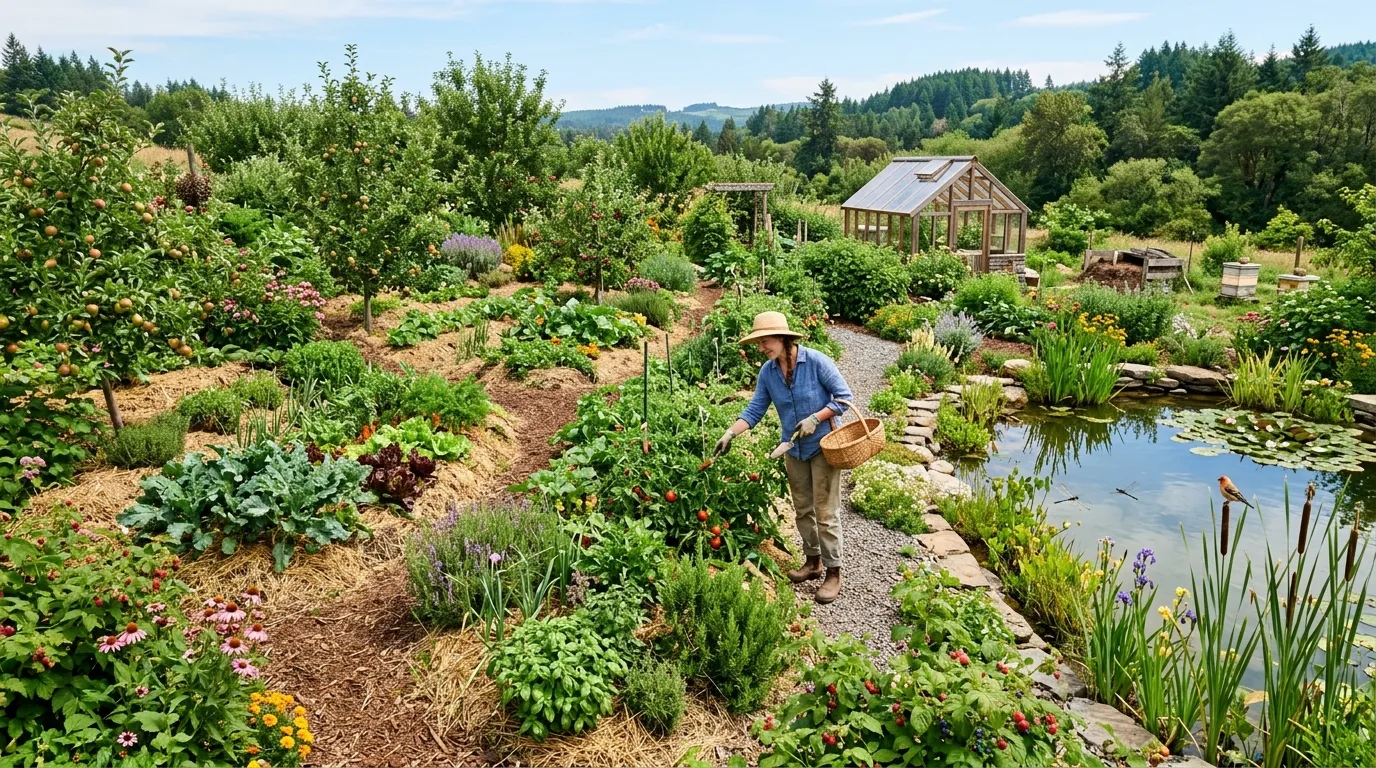
Discover how permaculture farming bridges the gap between ecological resilience and mindful learning, transforming modern education through calm, focus, and sustainable design principles that nurture both soil and students.
This comprehensive guide explores the intersection of permaculture farming and education. By integrating natural ecosystems into learning environments, we cultivate calm, enhance focus, and teach practical sustainability. You will learn actionable strategies, avoid common pitfalls, and discover how ecological stewardship directly enhances cognitive development and student well-being.
The Intersection of Ecological Design and Mindful Learning
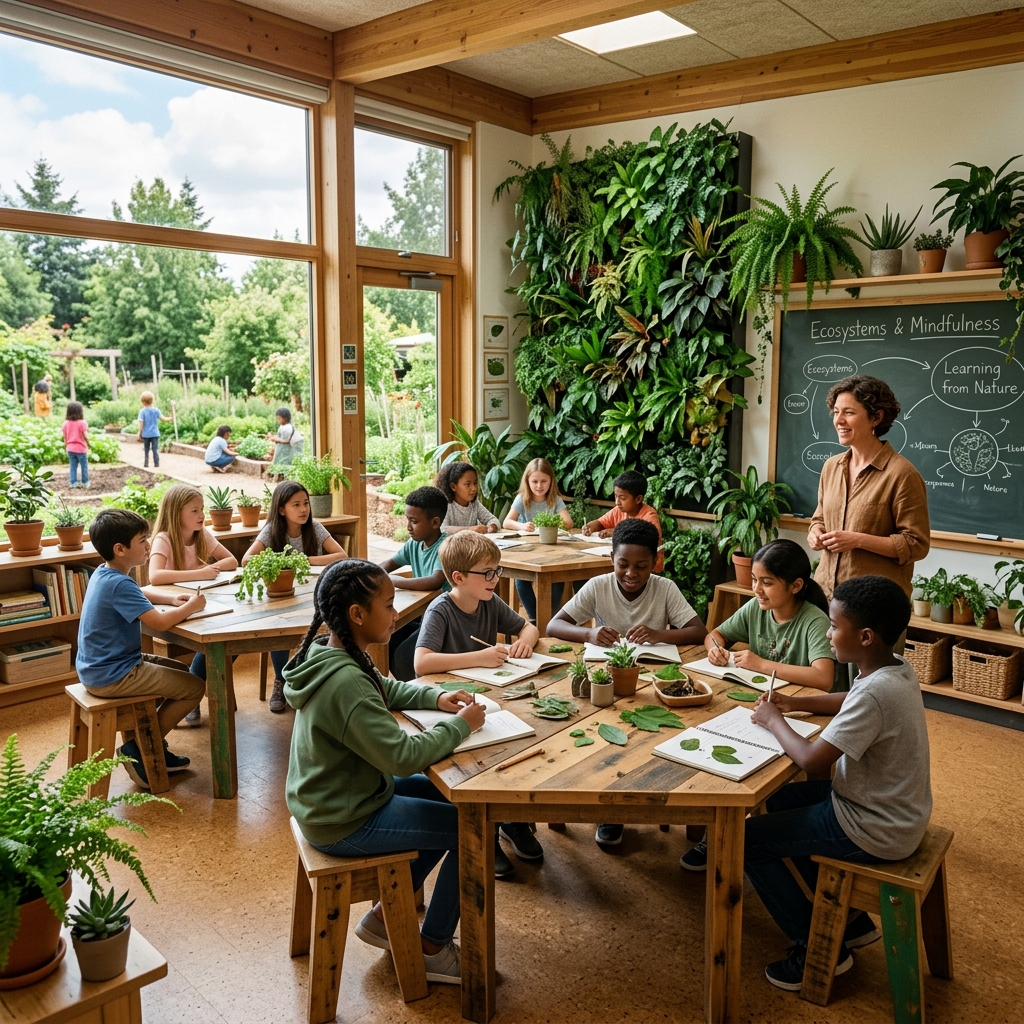
When we think of modern education, we often picture rigid classroom structures, fluorescent lighting, and standardized testing. However, a revolutionary shift is occurring. Educators and environmentalists are discovering that permaculture farming offers an unparalleled framework for teaching. This approach does not just show students how to grow food; it teaches them how to observe, adapt, and thrive in complex systems. By bringing students out of the classroom and into a living ecosystem, we dramatically reduce anxiety and increase their capacity for deep, sustained focus.
The core philosophy of permaculture farming centers on working with nature rather than against it. This philosophy translates perfectly into educational methodologies. When students engage with regenerative agriculture, they learn patience, problem-solving, and systems thinking. They see firsthand how every element in a system supports another. This hands-on interaction with the natural world provides a grounding effect, replacing the frantic pace of digital consumption with the steady, reliable rhythms of nature.
Core Principles Guiding the Educational Experience
To understand how permaculture farming transforms the educational landscape, we must examine its foundational principles and how they apply to cognitive development and student engagement.
Observation and Interaction
The first principle of permaculture farming is observation. Before making any changes to a landscape, one must spend significant time watching how the sun moves, where the water collects, and what native plants thrive. In an educational setting, this teaches students mindfulness. They learn to quiet their minds, focus their attention, and observe their surroundings without immediate judgment or reaction. This practice of observation builds a foundation for scientific inquiry and emotional regulation.
Catching and Storing Energy
In the garden, this means capturing rainwater or maximizing solar energy. In education, it means recognizing and harnessing a student’s natural curiosity and energy. When a student shows interest in a particular bug, plant, or weather pattern, educators use that energy to drive the learning process forward. This dynamic approach keeps students engaged and focused, as their learning directly connects to their immediate, tangible environment.
Integrating Rather Than Segregating
Traditional schooling often separates subjects into isolated blocks: math, science, art, and physical education. Permaculture farming naturally breaks down these silos. A single project, like designing a small garden bed, requires mathematical calculation, biological understanding, artistic design, and physical labor. This holistic approach mimics how the real world operates, making learning more relevant and easier to absorb.
How Natural Ecosystems Cultivate Calm and Focus
Research consistently shows that exposure to nature significantly reduces stress hormones like cortisol. When students participate in permaculture farming, they immerse themselves in a sensory-rich environment that promotes calmness. The physical act of working with the soil—often referred to as grounding—has proven psychological benefits.
Furthermore, the tasks involved in sustainable design require a specific type of focus. Unlike the hyper-stimulating focus demanded by video games or fast-paced media, the focus required for planting seeds, pruning trees, or observing insect behavior is a calm, sustained attention. This “soft fascination” allows the brain’s directed attention mechanisms to rest and recover, leading to improved concentration when students return to traditional academic tasks.
Implementing the Framework in Schools
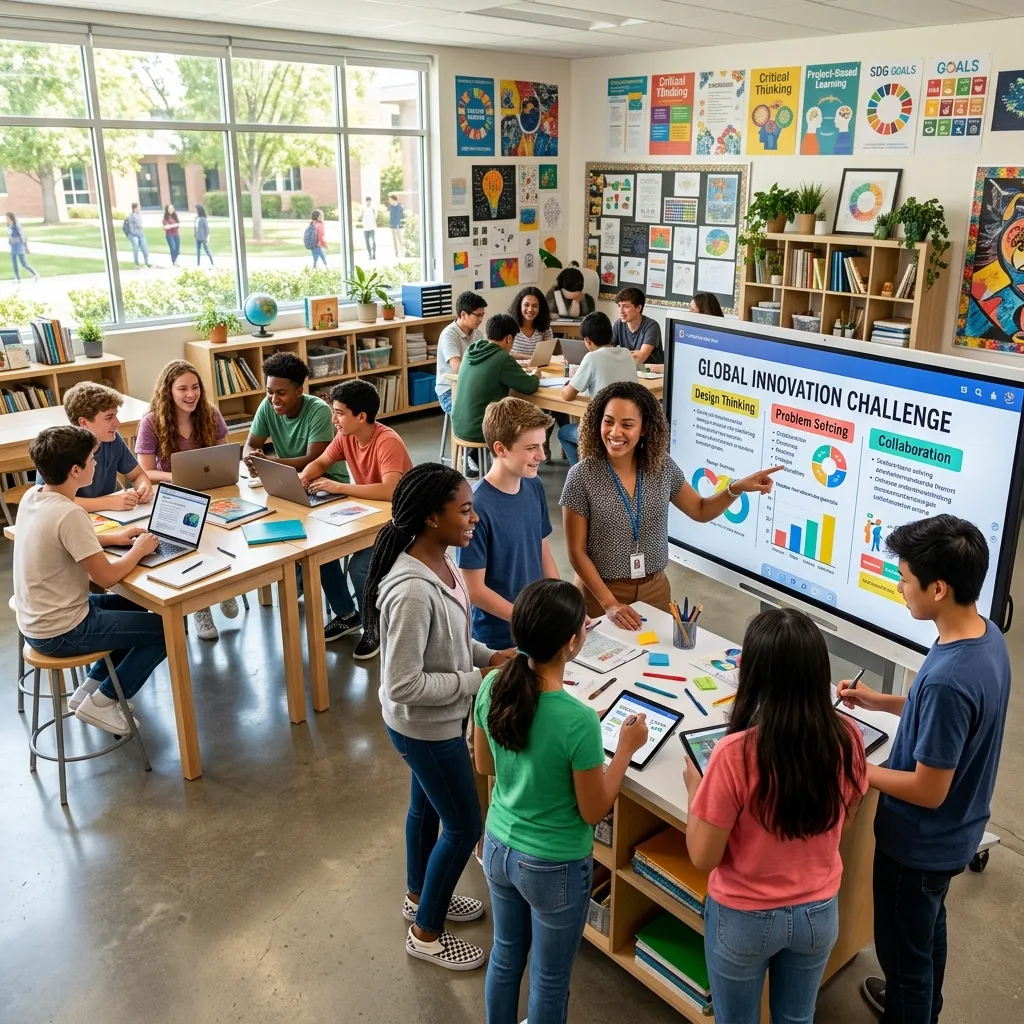
Transforming an educational space requires strategic planning. Schools do not need vast acreage to reap the benefits; even small urban spaces can host vibrant ecosystems.
Developing Food Forests on Campus
A core element of many ecological designs is the creation of food forests. These multilayered growing systems mimic natural woodland ecosystems but prioritize edible or useful plants. For students, a food forest is a living laboratory. They learn about canopy layers, understory plants, ground covers, and root systems. Because these systems are perennial, they require less maintenance over time, allowing the educational focus to shift from constant labor to long-term observation and harvesting. You can read more about the impact of nature on learning at the Edutopia Educational Foundation.
Water Management and Swales
Teaching students about water conservation is critical. By building swales—shallow trenches built along the contour of the land to slow and capture runoff—students learn practical physics, engineering, and environmental stewardship. They see immediately how their actions prevent erosion and nourish the soil health of their campus.
Companion Planting and Social Dynamics
In the garden, certain plants grow better together. Tall plants provide shade for delicate ones; nitrogen-fixing plants feed heavy feeders. This concept of companion planting serves as a powerful metaphor for social-emotional learning. Students learn that diverse communities are stronger and more resilient. They understand that, like plants, different individuals have different needs and offer unique contributions to the group.
Actionable Strategies for Educators
If you want to integrate permaculture farming into your curriculum, you must start with a solid foundation.
- Start small: Begin with a single compost bin or a small herb garden before attempting large-scale earthworks.
- Involve the students in the design process: Let them map the campus, track the sunlight, and choose the plants. This ownership increases their focus and dedication.
- Connect the garden to the classroom: Use the garden yields in the cafeteria or home economics classes. Use garden data in math and science classes.
- Embrace the seasons: Let the curriculum flow with the natural cycles of planting, growing, harvesting, and resting.
Pro Tips for Maximum Educational Impact
To truly harness the power of permaculture farming for education, keep these expert insights in mind:
- Prioritize native plants to ensure success and teach local ecology.
- Use natural materials for garden beds and pathways to maintain a chemical-free environment.
- Create quiet zones within the garden specifically designated for reading, journaling, or silent observation.
- Celebrate the harvest with the entire community to build a sense of shared accomplishment.
Common Mistakes to Avoid
When schools first attempt to integrate permaculture farming, they often encounter several pitfalls.
First, many try to scale up too quickly. A massive garden that becomes overgrown and unmanageable causes stress rather than calm. Start small and expand only when the current system is stable.
Second, treating the garden as a chore rather than a learning environment ruins the experience. The goal is not maximum agricultural yield; the goal is educational yield. If a crop fails, that is not a disaster; it is a learning opportunity to investigate what went wrong with the soil health or watering schedule.
Third, relying on a single champion creates vulnerability. If the one teacher who runs the garden leaves the school, the project dies. You must build a committee of teachers, parents, and administrators to ensure the project’s longevity.
Comparison Table: Traditional vs. Ecological Learning
|
Feature |
Traditional Classroom |
Ecological Learning |
|---|---|---|
|
Environment |
Indoor, static, artificial lighting |
Outdoor, dynamic, natural elements |
|
Subject Integration |
Segregated by rigid time blocks |
Naturally integrated through projects |
|
Physical Activity |
Sedentary, confined to desks |
Active, hands-on, physically engaging |
|
Stress Levels |
High (testing, confined spaces) |
Low (nature exposure, physical grounding) |
|
Attention Type |
Directed, easily fatigued |
Soft fascination, restorative focus |
Expanding the Impact: Community and Global Context
The benefits of teaching permaculture farming extend far beyond the individual student. When children learn how to nurture the earth, they take those lessons home. They encourage their families to compost, to plant gardens, and to consume more responsibly. This creates a ripple effect throughout the community.
Furthermore, we face global challenges regarding climate change and food security. By educating the next generation in carbon drawdown techniques and resilient agricultural practices, we equip them with the tools they need to solve these massive problems. Permaculture farming teaches them that human beings do not have to be a destructive force on the planet; we can be a restorative, healing presence.
The Role of Technology in Ecological Education
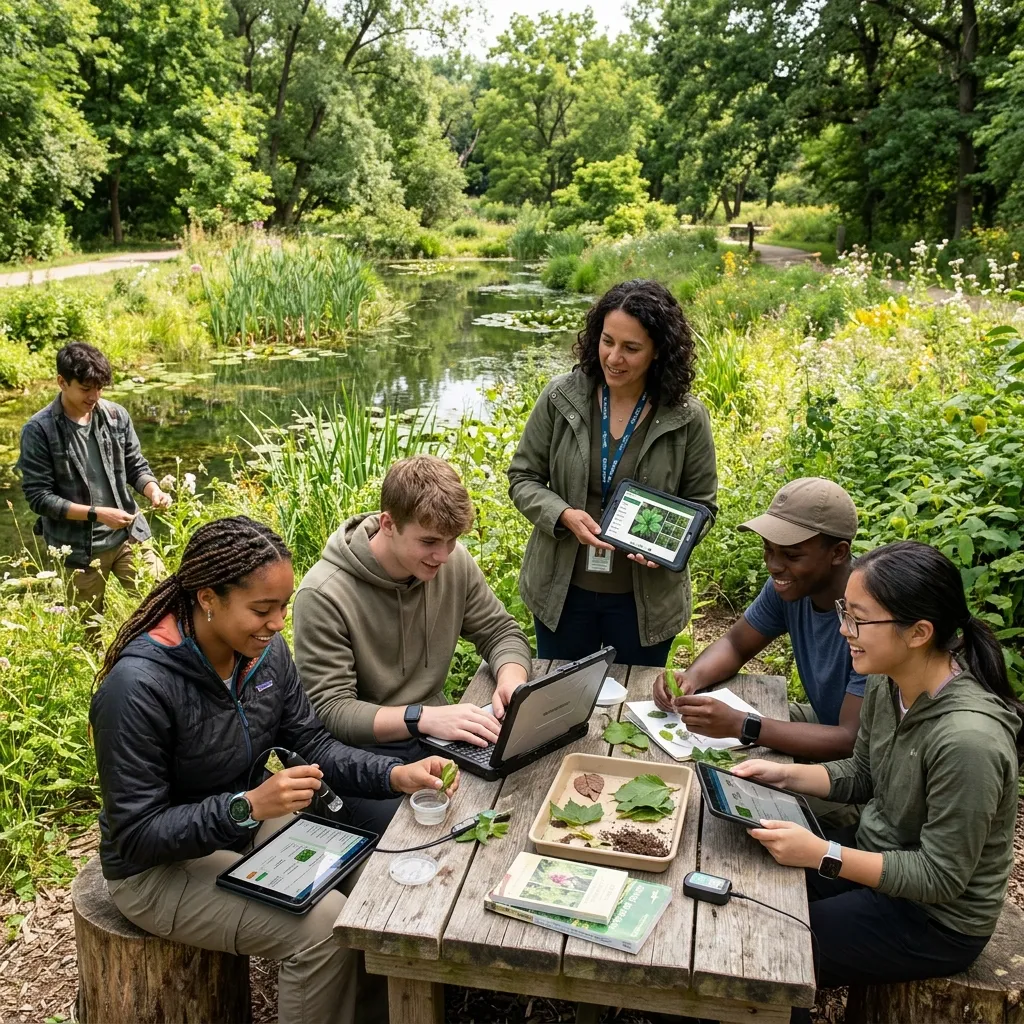
While the focus remains on the natural world, technology plays a supportive role. Students can use weather tracking apps, soil moisture sensors, and digital design software to plan their gardens. This balanced approach shows students that technology is a tool to enhance our relationship with nature, rather than a screen to hide behind. It marries the calm of the natural world with the analytical focus required by modern scientific tools.
Transforming Behavior Through Responsibility
One of the most profound effects of permaculture farming in schools is the behavioral transformation in students who typically struggle in traditional classrooms. Children with high energy levels or attention deficits often thrive in the garden. The physical labor provides a constructive outlet for their energy. The responsibility of caring for a living thing builds empathy and self-worth. When a student realizes that a plant depends on them for water and care, they develop a profound sense of purpose that translates into calmer, more focused behavior in all areas of their lives.
Conclusion
Integrating permaculture farming into educational frameworks offers a profound pathway to cultivate calm, focus, and environmental stewardship in students. By embracing these natural systems, we empower the next generation to build resilient communities. Start transforming your learning environment today by implementing these sustainable practices and watching your students thrive.
Frequently Asked Questions
1. What is the main goal of using this agricultural approach in schools?
The primary goal is to use natural, resilient ecosystems as a teaching tool. This approach reduces student anxiety, improves sustained concentration, and provides hands-on learning experiences that integrate multiple academic subjects simultaneously.
2. How does permaculture farming actually improve a student’s focus?
Engaging with nature requires “soft fascination,” a type of attention that allows the brain’s directed focus mechanisms to rest. The physical acts of planting, weeding, and observing calm the nervous system, leading to better focus during academic tasks.
3. Do we need a large amount of land to start?
No. You can apply these principles to a small courtyard, a few raised beds, or even indoor container gardens. The educational value comes from the design process and the observation of the system, regardless of its physical size.
4. How do we integrate the garden into math and science classes?
Students can measure the growth rates of plants, calculate the volume of soil needed for a bed, or track the geometry of the sun’s path. For science, they can study soil biology, the water cycle, and plant genetics directly in the garden.
5. What is the biggest challenge when starting this program?
The biggest challenge is usually maintaining the garden over the summer months when students are away. Successful programs build community partnerships or parent volunteer schedules to ensure the systems survive the break.
6. Can permaculture farming help students with behavioral issues?
Yes. The hands-on, physical nature of the work provides an excellent outlet for excess energy. Furthermore, the responsibility of caring for living plants builds empathy, patience, and a sense of accomplishment, which often improves overall behavior.
7. How much does it cost to implement these design principles?
Costs vary widely. However, a core principle is “catch and store energy” and reducing waste. Many schools build their gardens entirely from donated seeds, repurposed materials, and locally sourced compost, making it very budget-friendly.
8. What role do teachers play in the outdoor classroom?
Teachers shift from being lecturers to becoming facilitators of discovery. They guide students’ observations, ask open-ended questions about the ecosystem, and help students draw connections between the garden and their academic subjects.
9. Why is observation so heavily emphasized in this framework?
Observation prevents costly mistakes and teaches mindfulness. Before acting, students must understand the existing conditions. This translates to better critical thinking and patience, teaching them to assess situations fully before reacting.
10. How quickly will we see a change in student engagement?
Many educators report seeing immediate changes in student enthusiasm when lessons move outdoors. The deeper benefits of increased calm and sustained focus typically become apparent after a few weeks of consistent engagement with the garden ecosystem.
