
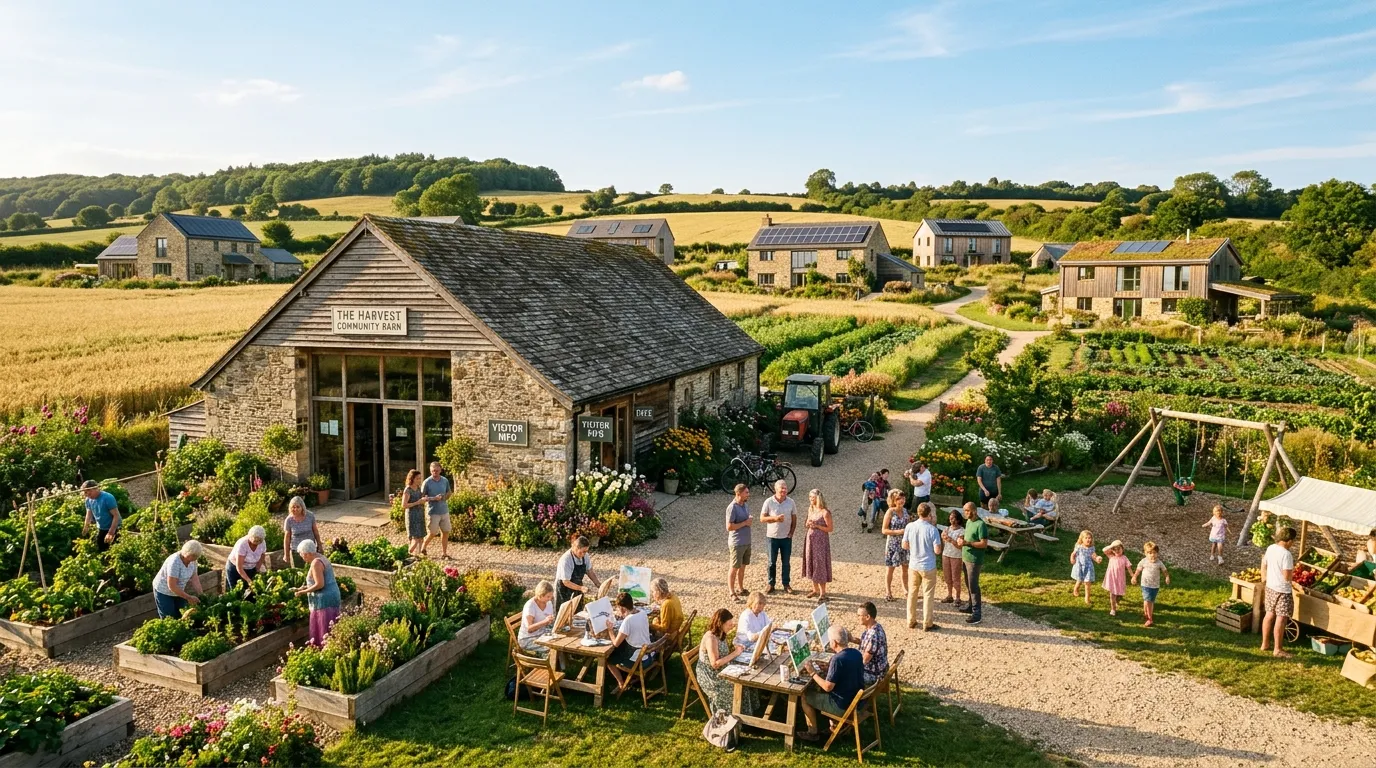
The rural revival project offers a fresh approach to learning. By bringing calm and focus into the classroom, we help students thrive academically and emotionally every day.
This comprehensive guide explores how targeted mindfulness reshapes rural learning environments. You will learn practical methods to reduce classroom stress, improve student focus, and build resilience. We provide actionable strategies and expert insights to help educators create peaceful, effective classrooms.
The Foundation of a New Educational Approach
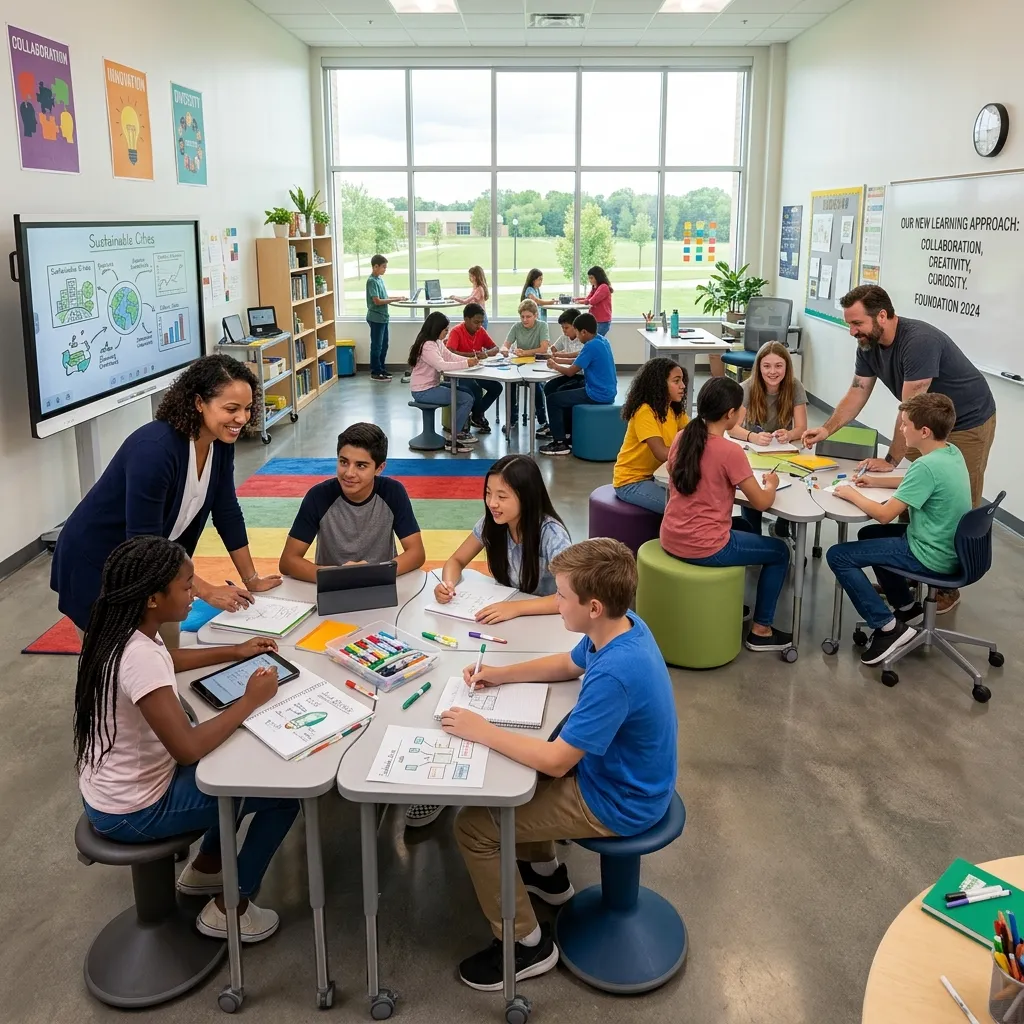
Education in small towns faces unique challenges, from limited resources to geographic isolation. The rural revival project steps in to bridge this gap by focusing on the mental and emotional well-being of students. When we prioritize calm and focus, we create an environment where children can absorb information more effectively. This initiative goes beyond traditional teaching methods by integrating mindfulness in the classroom to help students manage stress and improve their overall cognitive capacity.
Many students arrive at school carrying the weight of external stressors. These pressures can severely limit their ability to concentrate on complex tasks like reading, math, and science. Through the rural revival project, educators receive the tools they need to transform chaotic learning spaces into sanctuaries of focus. By establishing clear routines that emphasize mental clarity, teachers help students build the resilience needed to face both academic and personal challenges.
Why Focus and Calm Matter Now
The modern world brings a constant stream of distractions, even in remote communities. Students need dedicated time to process their thoughts and emotions. When schools adopt the principles of the rural revival project, they notice a sharp decline in behavioral disruptions. Children learn to identify their feelings and respond to them thoughtfully rather than reacting impulsively. This shift in behavior is essential for creating a cohesive, supportive classroom community.
Teachers also benefit from this serene environment. Managing a classroom requires immense energy, and constant disruptions lead to burnout. By incorporating focused attention techniques, educators experience a more manageable workload. The atmosphere becomes collaborative rather than combative. This mutual respect and shared tranquility form the bedrock of sustainable academic success in small towns.
The Science Behind Emotional Regulation
To understand why this approach works, we must look at educational neuroscience. The human brain processes emotions and learning through connected pathways. When a student feels anxious or threatened, the amygdala—the brain’s emotional center—triggers a fight-or-flight response. This physiological reaction blocks the flow of information to the prefrontal cortex, which handles logic and memory.
The rural revival project utilizes this science to optimize the learning environment. By intentionally lowering stress levels, we prevent the amygdala from hijacking the learning process. Students who participate in regular mindful relaxation exercises show increased blood flow to the areas of the brain responsible for executive function. This means they can solve problems faster, retain information longer, and collaborate with their peers more effectively.
Lowering Classroom Stress
Creating a low-stress environment requires consistent effort and strategic planning. Educators involved in the rural revival project use specific sensory cues to signal safety to their students. Soft lighting, calming background music, and organized physical spaces all contribute to a feeling of security. When the brain registers safety, it opens up to new information.
Furthermore, teaching students how their own brains work empowers them. When children understand that a deep breath can physically calm their nervous system, they gain control over their reactions. This student emotional regulation is a core component of the curriculum. It transforms students from passive recipients of knowledge into active participants in their own mental well-being.
Actionable Strategies for Rural Educators
Implementing the rural revival project requires practical, everyday actions. Teachers need strategies that fit seamlessly into their existing schedules without adding unnecessary burdens.
Developing Mindful Mornings
The way a school day begins sets the tone for everything that follows. Instead of rushing straight into complex subjects, start with a mindful morning routine. As students enter the room, play soothing sounds. Have them sit quietly for two minutes to practice deep breathing. This simple act helps transition their minds from the chaos of the bus ride to the focus required for learning.
During the morning meeting, use a talking piece to encourage active listening. Ask students to share one thing they feel grateful for. This practice builds empathy and strengthens classroom bonds. It aligns perfectly with the rural revival project by establishing a foundation of respect and calm right from the start.
Utilizing Brain Breaks
Attention spans naturally wane after extended periods of instruction. Rather than forcing students to push through fatigue, integrate regular brain breaks. These short pauses allow the mind to rest and reset. A brain break might involve a simple stretching exercise, a moment of silent reflection, or a quick drawing task.
These breaks are vital rural education improvement strategies. They prevent cognitive overload and keep students engaged throughout the day. When students know a break is coming, they are more likely to sustain their focus during active learning periods.
Designing a Peaceful Physical Space
The physical layout of a classroom heavily influences student behavior. Arrange desks in a way that promotes collaboration but minimizes unnecessary physical contact. Keep walls free of excessive clutter, which can overstimulate the brain.
A key element of the rural revival project is the creation of a designated safe space within the room. This area provides a physical retreat for students who feel overwhelmed.
Establishing a Dedicated Rest Area

Every classroom should feature a calm corner. This is a specific, comfortable space where students can go when they need to self-regulate. It is not a place for punishment; rather, it is a tool for emotional management.
Equip this space with tactile objects like clay or stress balls, visual tools like sand timers, and comfortable seating. When a student feels their frustration rising, they can choose to visit this space. By setting a five-minute timer, they give themselves a boundary to process their emotions before returning to the group. This practice fosters independence and self-awareness, which are central to the rural revival project.
Pro Tips: Expert Insights for Sustained Success
To maximize the benefits of the rural revival project, consider these expert recommendations:
- Model the behavior you want to see. Take deep breaths alongside your students.
- Incorporate nature into your lessons. Rural environments offer excellent opportunities for outdoor, mindful learning.
- Communicate with parents. Share the techniques you use in class so they can reinforce them at home.
- Use transition times as mindful moments. Walking quietly down the hall can become a focus exercise.
- Stay consistent. The benefits of social-emotional resilience compound over time with regular practice.
Common Mistakes to Avoid When Introducing Mindfulness
Even with the best intentions, educators can stumble when implementing new routines. Here are common pitfalls to avoid within the rural revival project:
- Using mindfulness as a disciplinary tool. It must always remain a voluntary, positive practice.
- Expecting immediate perfection. Building cognitive function and emotional control takes time.
- Overcomplicating the exercises. Keep breathing and focus tasks simple and age-appropriate.
- Inconsistent application. Skipping mindful routines on busy days sends the message that mental health is optional.
- Ignoring your own well-being. A stressed teacher cannot effectively lead a calm classroom.
A Structural Comparison: Traditional vs. Mindful Classrooms
Understanding the shift requires a clear look at how traditional methods differ from this updated approach.
|
Feature |
Traditional Classroom |
Mindful Classroom (rural revival project) |
|---|---|---|
|
Morning Routine |
Immediate start on academic work |
Breathing exercises and intention setting |
|
Behavior Management |
Reactive, punishment-based |
Proactive, focused on self-regulation |
|
Classroom Environment |
High stimulation, busy walls |
Minimalist, calming sensory inputs |
|
Transitions |
Often rushed and noisy |
Used as deliberate focus exercises |
|
Student Agency |
Teacher dictates all movements |
Students utilize tools like a calm corner |
Enhancing Social Connections and Peer Support
The rural revival project does not just improve individual focus; it transforms how students interact with one another. When children feel secure, they are more willing to collaborate and share ideas. Group projects become less about competition and more about collective achievement.
Teachers facilitate this by pairing mindfulness with social-emotional learning goals. Role-playing scenarios allow students to practice empathy. When conflicts arise, students use the “rethink, redo” strategy. They pause, assess what happened, and figure out how to repair the relationship. This peaceful conflict resolution builds a tight-knit community, which is especially important in small rural towns where social circles are deeply intertwined.
Integrating Movement and Physical Awareness
Physical activity is a powerful tool for maintaining focus. The rural revival project encourages incorporating mindful movement into the daily schedule. This is different from traditional physical education; it focuses on the connection between the body and the mind.
Simple yoga stretches or balancing exercises require students to concentrate entirely on their physical form. This pulls their attention away from external stressors and grounds them in the present moment. By practicing these movements regularly, students improve their physical coordination while simultaneously boosting their mental clarity.
Overcoming Resource Limitations in Rural Areas
One major hurdle for rural schools is a lack of funding for specialized programs. However, the beauty of the rural revival project is its cost-effectiveness. The core practices—breathing, listening, and focusing—require absolutely no financial investment.
Educators can utilize free resources, such as open-source mindfulness apps and library books, to guide their sessions. Community collaboration also plays a massive role. Local businesses and volunteers can donate comfortable seating for the classroom or materials for tactile learning. By pulling the community into the educational process, schools build a sustainable support network.
Assessing and Tracking Student Progress
To ensure the rural revival project is working, schools must track student progress. Traditional grades only tell part of the story. Educators need to observe changes in behavior, attention span, and social interactions.
Teachers can keep informal journals noting how quickly the class settles down after recess or how effectively they handle difficult math problems. Students can also self-assess by keeping their own daily logs. They write down their intentions in the morning and reflect on their emotional state at the end of the day. This reflection solidifies their understanding of their own growth.
The Broader Community Impact

When schools successfully implement the rural revival project, the benefits ripple outward into the broader community. Students carry their new coping mechanisms home, sharing them with siblings and parents. This can lower the overall stress levels within households, leading to a healthier town environment.
Furthermore, a successful school system attracts new families and businesses to rural areas. When people see a community investing heavily in the holistic development of its children, they want to be a part of it. The school becomes a beacon of progress, proving that small towns can lead the way in educational innovation.
Cultivating Long-Term Educational Resilience
The ultimate goal of the rural revival project is to build long-term resilience in students. Education is not just about memorizing facts; it is about preparing children for the complexities of adult life. By teaching them how to maintain calm and focus under pressure, we equip them with the most valuable life skill possible.
They learn that while they cannot control every situation, they can control their reaction to it. This empowerment changes the trajectory of their lives. They approach challenges with a steady mind and a confident spirit, ready to build a brighter future for themselves and their communities.
Empowering the Next Generation of Leaders
Through the rural revival project, we are not just educating students; we are training future leaders. A leader must possess the ability to remain calm in a crisis, listen empathetically to others, and focus on long-term goals. The mindful practices embedded in this curriculum develop exactly these traits.
As these students grow and eventually take on roles within their towns, they will bring this balanced approach with them. They will build businesses, run local governments, and raise families with a deep understanding of emotional intelligence. This is how a small initiative in a rural classroom sparks a generational transformation.
Conclusion
The rural revival project provides a clear pathway to better education by prioritizing mental clarity. Embracing these mindful strategies helps lower stress and dramatically improves student focus. We must continue to support these practices to ensure every child thrives. Join us today and implement these transformative techniques in your own local classroom.
Frequently Asked Questions
1. What exactly is the rural revival project?
The rural revival project is an educational initiative designed to improve learning in small-town schools by integrating mindfulness, focus techniques, and emotional regulation strategies directly into the daily classroom routine.
2. How does calm and focus improve academic performance?
When students are calm, their brains shift out of the fight-or-flight response. This allows the prefrontal cortex to fully engage, improving memory retention, complex problem-solving skills, and overall cognitive function.
3. Do I need expensive materials to implement these strategies?
No. The core techniques of the rural revival project, such as deep breathing, active listening, and intention setting, cost nothing. You can create a peaceful space using items you already have.
4. How long does it take to see results in the classroom?
Many educators report seeing a positive shift in classroom behavior and transition times within the first few weeks of consistently applying these mindful routines.
5. What is the best way to start the school day under this model?
Start with a mindful morning routine. Play calm music as students enter, practice two minutes of guided breathing, and hold a brief meeting where students set a positive intention for the day.
6. How can we manage disruptive behavior without traditional punishments?
The rural revival project focuses on proactive self-regulation. Instead of immediate punishment, students use designated safe spaces to calm down and then reflect on their actions using a “rethink, redo” framework.
7. Why is educational neuroscience important for teachers?
Understanding the brain helps teachers recognize that disruptive behavior often stems from stress or fear. This knowledge allows them to design environments that naturally reduce anxiety and promote learning.
8. Can these techniques help students with learning disabilities?
Yes. Mindfulness practices have been shown to significantly help students with ADHD and anxiety by providing them with concrete tools to manage their attention and emotional responses.
9. How do brain breaks work during a long lesson?
A brain break is a short, 2-to-3-minute pause during instruction where students stretch, breathe, or do a quick sensory activity to reset their focus before diving back into the lesson.
10. How can parents support this initiative at home?
Parents can support the rural revival project by asking their children about their daily intentions, practicing deep breathing together during stressful moments, and maintaining open communication with the teacher.
