
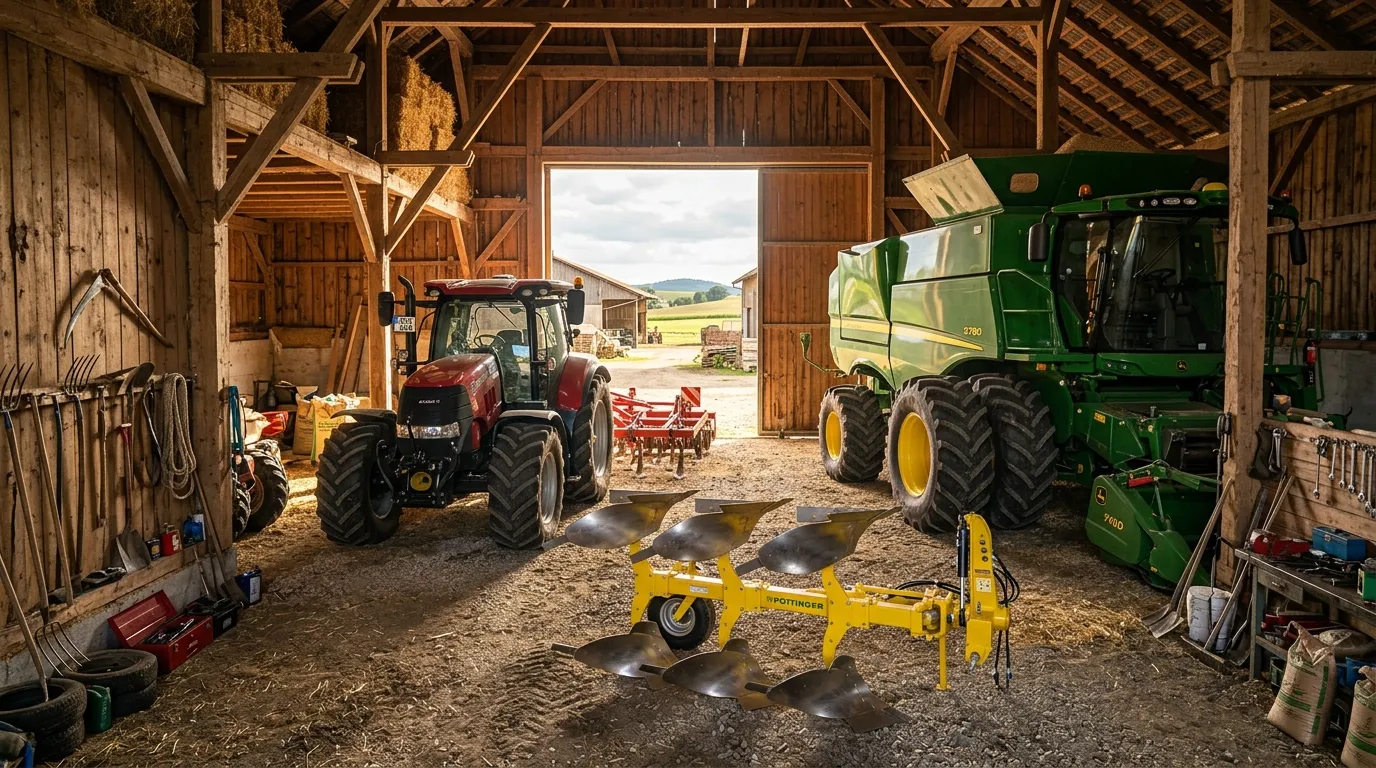
Navigating a comprehensive agriculture equipment list transforms agricultural education by enabling educators, students, and farmers to approach farming with calm and focus. Understanding each essential tool streamlines operations and ensures every farming decision is deliberate and efficient.
This in-depth guide will completely unpack the agriculture equipment list, providing educators and farmers at every level with actionable insights. From classroom to field, you’ll discover how organizing farm machinery and understanding each tool’s unique purpose promotes clarity, reduces overwhelm, and maximizes productivity year-round. Whether you run a massive agribusiness or a small local farm, mastering this list brings lasting results and a calm mindset to every operation.
This article delivers a comprehensive overview of the agriculture equipment list, including tractors, tillage tools, planting machinery, harvesting equipment, and specialized implements. It covers uses, selection guidelines, maintenance, expert strategies, mistakes to avoid, integration of new technology, and common FAQs. The result? You’ll gain the clarity, knowledge, and actionable confidence to grow your operation and foster educational excellence.
Why a Structured Agriculture Equipment List Matters
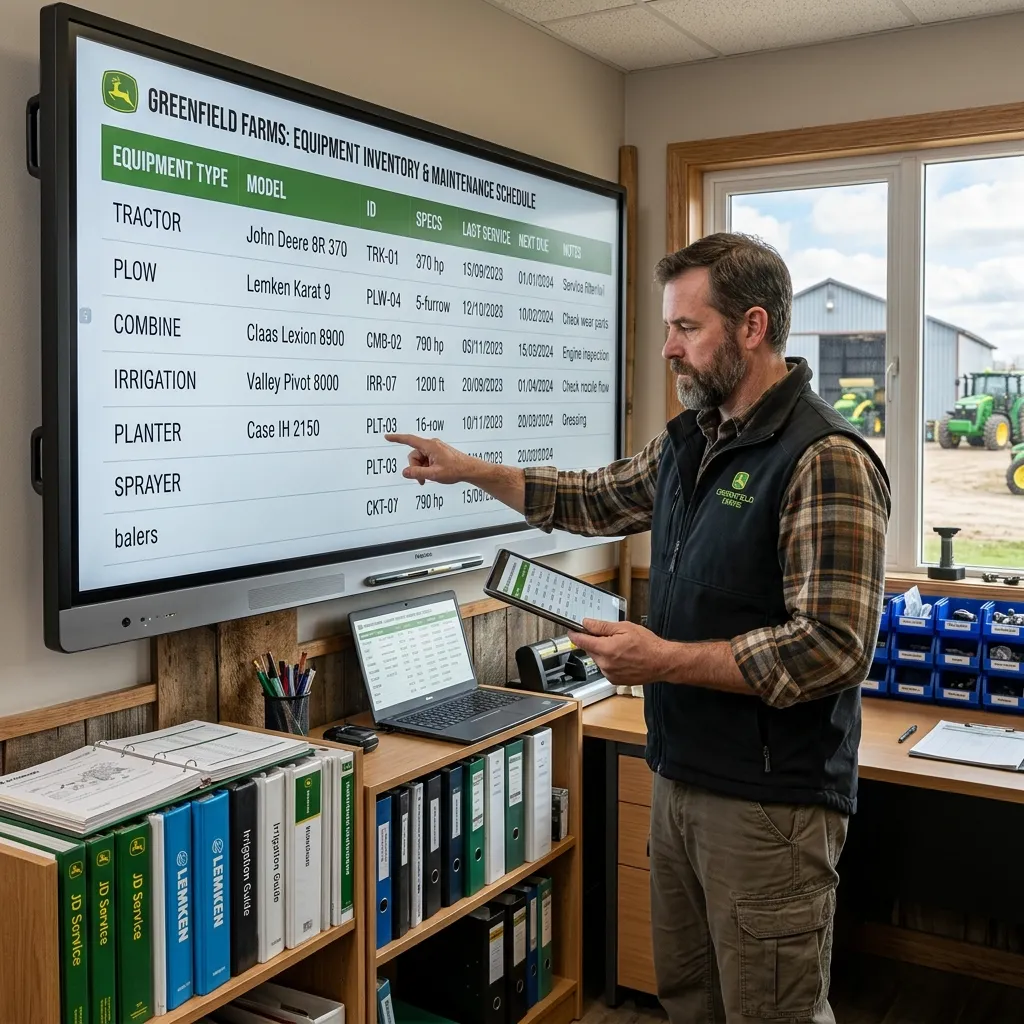
A well-structured agriculture equipment list is the backbone of successful farming and learning. In a field as complex as agriculture, it’s easy to become overwhelmed by the sheer range of tools and machinery choices. An organized inventory not only brings order but also sets a strong foundation for calm, focused education and practical farming.
Benefits for Farmers and Educators
- Clarity and Efficiency: Knowing exactly which equipment suits each task reduces wasted time, resources, and stress. For students, this transforms learning from abstract theory into concrete experience.
- Budget Management: An itemized agriculture equipment list helps prioritize essential machinery over “nice-to-have” tools, controlling both initial investments and long-term upkeep costs.
- Enhanced Safety: Clearly defined uses and regular safety training on each listed item reduce accidents, a crucial factor endorsed by the USDA and other authorities.
- Sustainable Practices: Thoughtful equipment selection—such as opting for low-compaction tractors or conservation tillage implements—promotes soil health, water retention, and environmental stewardship.
- Ease of Education: With a logical, segmented equipment list, farm educators can design focused lesson plans that progress naturally from basics to advanced applications.
For a detailed look at how equipment organization impacts financial returns, read our farm management principles guide, which explores the connection between investment planning and harvest outcomes.
Essential Tractors and Power Vehicles
No agriculture equipment list is complete without tractors and farm vehicles—they supply the muscle and versatility to get work done. Decades of mechanization revolutionized farm productivity, and today’s machines offer safety, comfort, and precision.
Types of Tractors
Compact Tractors: These smaller, maneuverable machines are ideal for new students, homestead operations, and specialized tasks (like landscaping, orchard maintenance, or greenhouse work). Their lighter frame means less soil compaction and easier storage.
Utility Tractors: Offering more horsepower than compacts, utility tractors are workhorses for mid-sized farms. They power implements ranging from loaders and mowers to mid-sized planters and spreaders. Their adaptability is a core curriculum component in most agricultural education programs.
High-Horsepower Wheeled Tractors: On large-acreage farms, especially in grain belts, these tractors tackle deep tillage, heavy planting, and big harvesting attachments. They often come with advanced GPS navigation, as covered in our precision agriculture technology resource.
Track Tractors: Designed with rubber tracks, not wheels, these tractors excel on soft or highly-trafficked soil. Their low ground pressure preserves soil structure and prevents compaction. This is especially useful in wet fields, hilly terrain, or regions where soil health is paramount. Educators often highlight these models during discussions of sustainable farming.
Power Take-Off (PTO)
Tractor PTO systems are a frequent topic in agricultural training. They allow the engine’s rotational power to operate everything from rotary tillers to balers, dramatically increasing equipment flexibility.
Pro Tip:
For maximum equipment longevity and student safety, always match an implement’s required PTO horsepower to your tractor’s rating. Before engaging PTO, review critical safety steps in our farm machinery safety course.
Specialty Farm Vehicles
- All-Terrain Vehicles (ATVs), Utility Task Vehicles (UTVs), and RTVs: These small, nimble vehicles provide fast movement across the farm for checking fields, carrying tools, and light hauling. Many models support specialized implements, including sprayers and small trailers.
- Farm Trucks: Larger than ATVs, these are indispensable for transporting people, bulk materials, harvest bins, and more between fields or to local markets.
Soil Cultivation Implements
The path to a successful harvest begins below the surface. Soil preparation is foundational in every agriculture equipment list, and involves both primary and secondary tillage tools.
Primary Tillage Tools
Plows:
- Moldboard Plow: Designed to turn over the entire topsoil layer, burying crop residue and weeds, and exposing fresh soil.
- Chisel Plow: Uses deep-shanked tines for aerating soil at depth, improving drainage and breaking up compaction without complete inversion.
- Disc Plow: Features round, concave discs well-suited for breaking rocky or root-filled soils.
Why It Matters:
Primary tillage is critical for seedbed preparation, weed control, and soil aeration—a fundamental concept in both fieldwork and agricultural labs.
Secondary Tillage Tools
Harrows:
- Disc Harrow: Chops and mixes clods left behind by primary tillage, levels the field, and incorporates residues or fertilizer.
- Chain Harrow: Resembles a metal mesh and is used to level soil, break up surface crusts, and evenly distribute organic matter.
- Spring, Roller, and Spike Harrows: Each adapts to different field conditions and is featured in advanced soil management workshops.
Cultivators:
Mechanical cultivators uproot weeds and aerate topsoil between established crop rows. Their value is emphasized in crop management modules and hands-on field labs.
Planting and Seeding Machinery
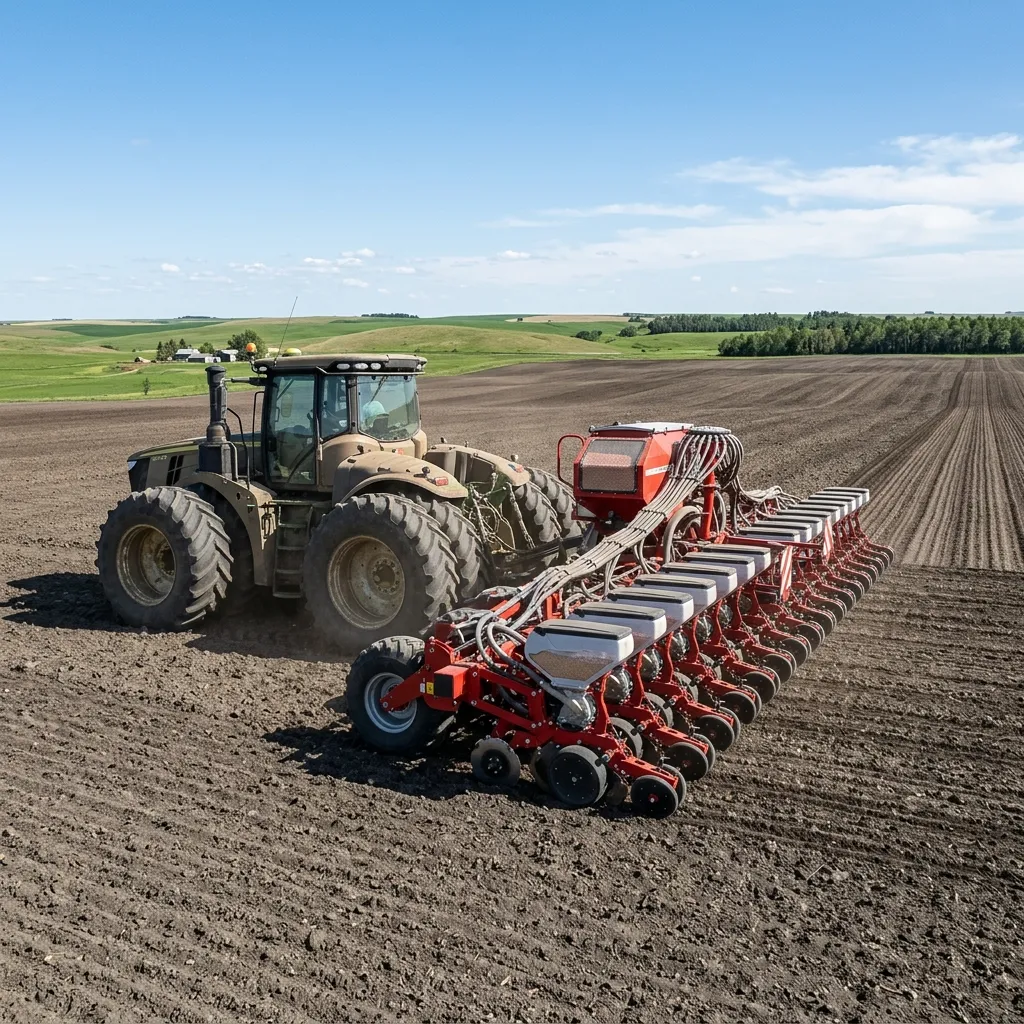
Proper seed placement is the difference between a sparse yield and a bumper crop. A targeted agriculture equipment list covers both small-seed broadcast and row-crop planting solutions.
Seed Drills & Air Seeders
Box Drill Seeder:
Perfect for planting closely-spaced cereals (wheat, barley, oats). It opens furrows, plants seeds at a consistent depth, and covers them for optimal germination.
Air Seeder:
Features large central hoppers and pneumatic tubes, allowing rapid planting of huge fields with outstanding accuracy. They’re especially suited for commercial farms planting grains or cover crops over hundreds of acres.
Precision Planters
These technically sophisticated implements use advanced meters to separate and drop each seed at exact intervals. Key crops include corn, soybeans, sunflowers, and cotton.
Why It Matters:
Precision planting reduces seed waste, ensures even crop emergence, and is a touchstone topic in modern agricultural engineering classes.
Pro Tip:
Calibrate every planting implement before each use. Find step-by-step calibration methods (including rate calculations and depth adjustment) in our advanced planting techniques resource.
Transplanters
Used for vegetables, fruit starts, and seedlings, transplanters automate positioning young plants at precise depths and spacings. They’re vital for high-value horticulture and greenhouse operations, and provide a captivating hands-on project for farm students.
Fertilizer, Spraying, and Irrigation Equipment
Supporting healthy crops requires careful application of nutrients and water. This section of the agriculture equipment list ensures consistent yields and resource efficiency.
Fertilizer Spreaders
- Broadcast Spreaders: Quickly distribute granular fertilizer, seeds, or lime across large areas.
- Manure Spreaders: Essential for organic operations, spreading livestock manure to recycle nutrients and improve soil structure.
- Slurry Spreaders: Used for liquid manure or slurry, common on dairy farms.
Sprayers
Modern boom sprayers deliver herbicides, insecticides, or foliar feeds over many acres with precision. Smaller backpack or mounted sprayers are useful for small plots or spot treatments. Advanced units feature GPS-guided application, reducing chemical waste while protecting non-target areas.
Irrigation Systems
- Sprinkler Systems: Flexible and widely used, from small traveling guns to permanent center pivots.
- Drip Irrigation: Conserves water by delivering it directly to plant roots, essential in arid regions and a core subject in sustainable farming curricula.
- Subsurface and Soaker Hoses: Used for specialty crops; deliver even irrigation with minimal evaporation loss.
Application and Calibration
Best Practice:
Review calibration techniques annually. Over-application is wasteful and can damage crops, while under-application reduces yield. For more guidance, see our agricultural resource management section.
Harvesting and Post-Harvest Equipment
No agriculture equipment list would be whole without tools for executing a timely, efficient harvest—crucial for maximizing crop profits and reducing losses.
Combine Harvesters
Modern combines complete three jobs in one pass—reaping (cutting), threshing (separating grain), and winnowing (removing chaff). Some machines now provide real-time monitoring (yield maps, moisture content) for precision data analysis, which educators leverage in classroom learning.
Resources:
Discover how yield data informs crop planning with university extension programs.
Forage and Hay Balers
- Round Balers: Produce large cylindrical hay or straw bales, easy to wrap and store.
- Square Balers: Create compact rectangular bales, stackable and suited for both small and large livestock farms.
- Silage Balers: Specialized for making and wrapping high-moisture bales used in cattle diets.
Other Harvest Equipment
- Grain Carts: Haul harvested grain from combine to storage or trucks, reducing idle time.
- Wagons and Trailers: Fundamental for transporting all types of harvests, implements, or supplies across the farm.
Specialty Harvesters
Unique tools exist for potatoes, carrots, tomatoes, grapes, olives, and even tree nuts—vital for diversified or specialized operations.
Specialized and Support Equipment
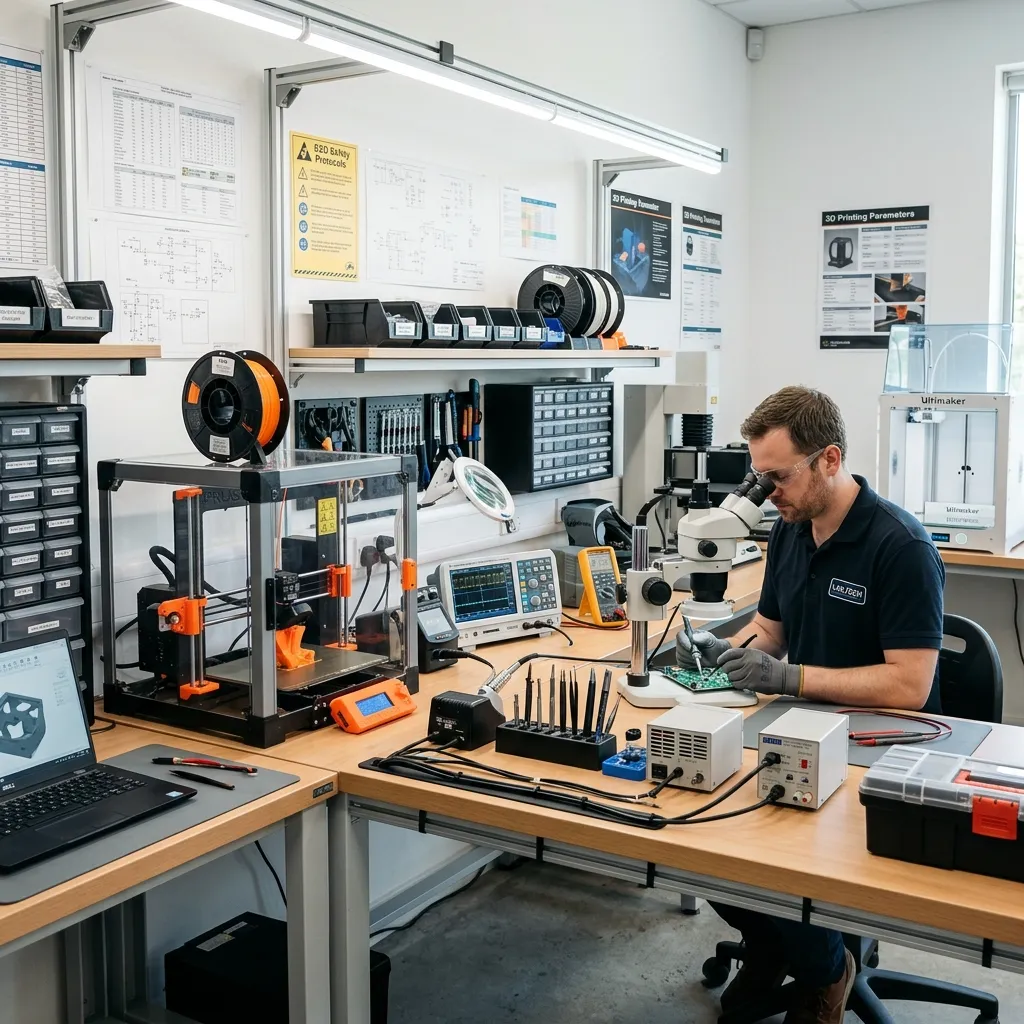
No two farms are identical; customized solutions abound in a complete agriculture equipment list.
Loading and Material Handling
- Front-End Loaders: Ideal for scooping, lifting, landscaping, and material transport.
- Skid-Steer Loaders and Backhoes: Maneuverable workhorses for tight spaces and construction projects.
- Telescopic Handlers: Provide reach for high stacking in barns or loading tall trailers.
Animal Husbandry
- Milking Machines: Increase dairy productivity and milk hygiene.
- Feed Grinders and Mixers: Ensure balanced nutrition and ease of distribution in livestock diets.
- Egg Collection and Sorting: Automated tools streamline labor in poultry operations.
Maintenance and Repair
- Toolkits, Welding Units, and Service Trailers: Prevent breakdowns and reduce downtime, vital for both field operations and on-campus machinery labs.
Comparison Table: Agriculture Equipment at a Glance
|
Equipment Category |
Primary Function |
Best Suited For |
Educational Focus |
|---|---|---|---|
|
Compact Tractor |
General utility, loader work |
Small farms, homesteads |
Safe operation, multitasking |
|
Utility Tractor |
Versatile field use |
Mid-sized operations |
Attachments and PTO proficiency |
|
Moldboard Plow |
Deep tillage, weed control |
New ground, heavy residue |
Soil transformation and structure |
|
Disc Harrow |
Clod and residue management |
Seedbed preparation |
Tillage sequence and layering |
|
Box Drill Seeder |
Planting cereal grains |
Wheat, barley, oats |
Spacing and emergence principles |
|
Precision Planter |
Exact seed placement |
Row crops, vegetables |
Technology in planting |
|
Combine Harvester |
Harvesting, threshing |
Grain crops, soybeans, corn |
Yield data, efficiency, technology |
|
Round Baler |
Forage and hay baling |
Hay, straw, silage |
Storage, feed, and logistics |
|
Broadcast Spreader |
Fertilizer, seed broadcast |
All farm types |
Calibration, nutrient management |
|
Sprayer (Boom) |
Crop protection, foliar feeding |
Large-scale, row crops |
Chemical safety, application rates |
|
Drip Irrigation System |
Precision watering |
Fruits, vegetables, specialty |
Water conservation, irrigation science |
Pro Tips and Expert Insights
- Preventative Maintenance: Grease all moving parts, check hydraulic fluids, and inspect hoses daily. Preventing breakdowns saves more time and money than emergency repairs ever could.
- Operator Comfort: Investing in climate-controlled cabs pays for itself in operator productivity—calm environments reduce mistakes and fatigue.
- Upskill Continuously: Encourage both educators and employees to participate in online courses, field days, or manufacturer trainings. Well-trained operators reduce machinery accidents and prolong equipment life.
- Utilize Technology: Modern GPS guidance, automatic steering, and telematics don’t just impress—they directly improve planting accuracy, reduce overlap, and optimize input use.
- Right-Size Machinery: Always match equipment scale to your acreage and crop. Bigger is not always better—choose machinery that’s efficient for your operation and easy to transport or store.
Explore more in our advanced equipment optimization cluster for data-driven decision-making.
Common Mistakes to Avoid
- Overbuying Machinery: Avoid purchasing oversize tractors or implements “just in case.” You’ll tie up capital and add unnecessary complexity or soil damage.
- Skipping Seasonal Storage: Never leave sensitive equipment exposed to the elements. Off-season storage in dry, covered areas prolongs lifespan and resale value.
- Ignoring Operator Training: A well-written manual cannot replace hands-on operator safety training. Schedule regular refresher courses; your team—and your budget—will thank you.
- Neglecting Maintenance Logs: Failing to record repairs or regular service means small problems are missed or repeated. Use digital apps or checklists, especially if equipment is shared between multiple users.
- Misapplying Inputs: Without correct spreader/sprayer calibration, you risk uneven application, crop burn, or pollution. Calibration is always time well spent—find guidance in our nutrient management best practices.
- Underestimating Technology: Dismissing precision ag tools as “too advanced” for your size farm closes the door to proven efficiency improvements. Even small farm operations can use GPS for soil sampling, nutrient mapping, and record-keeping.
For additional advice, consult government-backed programs at USDA’s New Farmers.
Conclusion
Mastering your agriculture equipment list is a transformative journey toward greater productivity, safety, and confidence in the field or classroom. By understanding the function and proper care of every implement, you shape farming and agricultural education into an organized, empowering practice. This approach, rooted in calm focus and strategic planning, unlocks higher yields, reduced errors, and lasting sustainability. Start applying these strategies today, leverage the tools described, and share your own insights—because an organized equipment list benefits everyone in agriculture.
FAQs
What is the most essential piece on the agriculture equipment list?
The tractor is widely regarded as the most essential because it serves as the main power source for pulling and operating most other implements, from plows to harvest machinery.
How can an agriculture equipment list help beginning farmers?
It demystifies machinery selection, prevents unnecessary purchases, and organizes planning and budgeting, making it easier to start and scale a farm operation confidently.
What is the key difference between primary and secondary tillage tools?
Primary tillage tools (like moldboard plows) turn and loosen the soil, while secondary tools (like harrows) further refine the soil, breaking up clods and preparing the seedbed.
Why are utility and compact tractors ideal for educational purposes?
Their manageable size and simple operation help students learn mechanical basics and safe PTO use before moving on to larger, more complex farm machinery.
How do I match the right seeder to my crop?
Box drills are best for closely spaced grains; precision planters are essential for exact row crop placement—review your crop’s spacing, soil, and climate needs before deciding.
What maintenance is crucial for farm machinery?
Develop a maintenance routine: daily fluid checks, weekly greasing, seasonal storage, and keeping records are all crucial for minimizing downtime and maximizing machine life.
Is it more cost-effective to rent or buy specialized farm equipment?
Renting high-cost, seldom-used equipment (like combines or large sprayers) reduces upfront investment, maintenance, and storage costs, which is ideal for smaller operations.
How do modern technologies improve agriculture equipment use?
GPS, telematics, and precision guidance technology increase efficiency, reduce waste, and collect valuable field performance data for ongoing improvement.
How can I protect soil health with the right equipment?
Using track tractors, minimizing tillage, and calibrating implements for precise applications all promote better soil structure, water retention, and sustainable land use.
Where can I find trustworthy resources for equipment guidelines and safety?
The USDA, your local agricultural extension, and manufacturer guides are excellent resources. Additionally, our agricultural workplace safety section provides in-depth training and tips.
